-
Lost Treasures of Armenia
The Holy Armenian Apostolic Orthodox Church continues to embody a living tradition of primarily monodic vocal music of exceptional richness and beauty. Though its hymnography is traditionally believed to have commenced with the invention of the Armenian alphabet in the fifth century, and the Hymnal as a canonical collection was definitively closed in the fourteenth…
-

Notes on Heaven and Earth: A Song of Creation
Heaven and Earth: A Song of Creation Dedicated to Richard Toensing (+2014) and Archimandrite Ephrem Lash (+2016) of blessed memory Program Notes by Richard Barrett, Artistic Director, The Saint John of Damascus Society HEAVEN AND EARTH TICKETS 10/12 SEATTLE TICKETS 10/13 PORTLAND TICKETS 10/14 PORTLAND TICKETS The Saint John of Damascus Society is a sacred arts…
-
The Psalm 103 Project
Heaven and Earth: A Song of Creation 12-14 Oct, 2018 TICKETS & INFO Cappella Romana’s Heaven and Earth: A Song of Creation Series (October 12-14, 2018) is a collaboration with the Saint John of Damascus Society. A musical meditation on Psalm 103 (“Bless the Lord, O my soul”), the Orthodox Vesperal Psalm, the program premieres…
-
Venice in the East
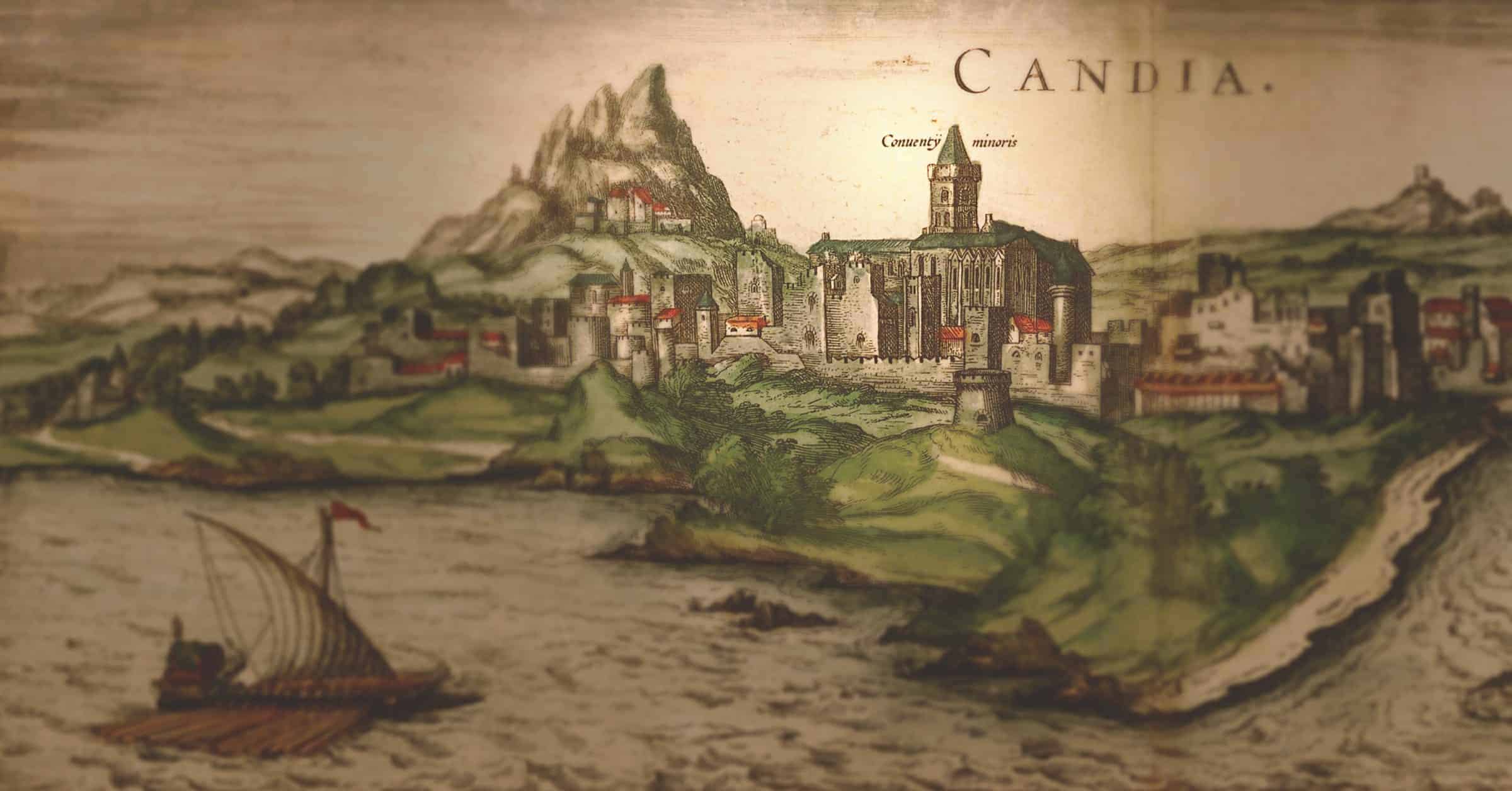
Venice In The East: April 27-29, 2018 Program Notes by Alexander Lingas From its emergence as a significant political entity in the sixth century under the rule of the Eastern Roman (“Byzantine”) Empire to the dissolution of the Republic by Napoleon in 1797, the city of Venice remained closely tied to the Greek East. Following…
-
Venice in the North
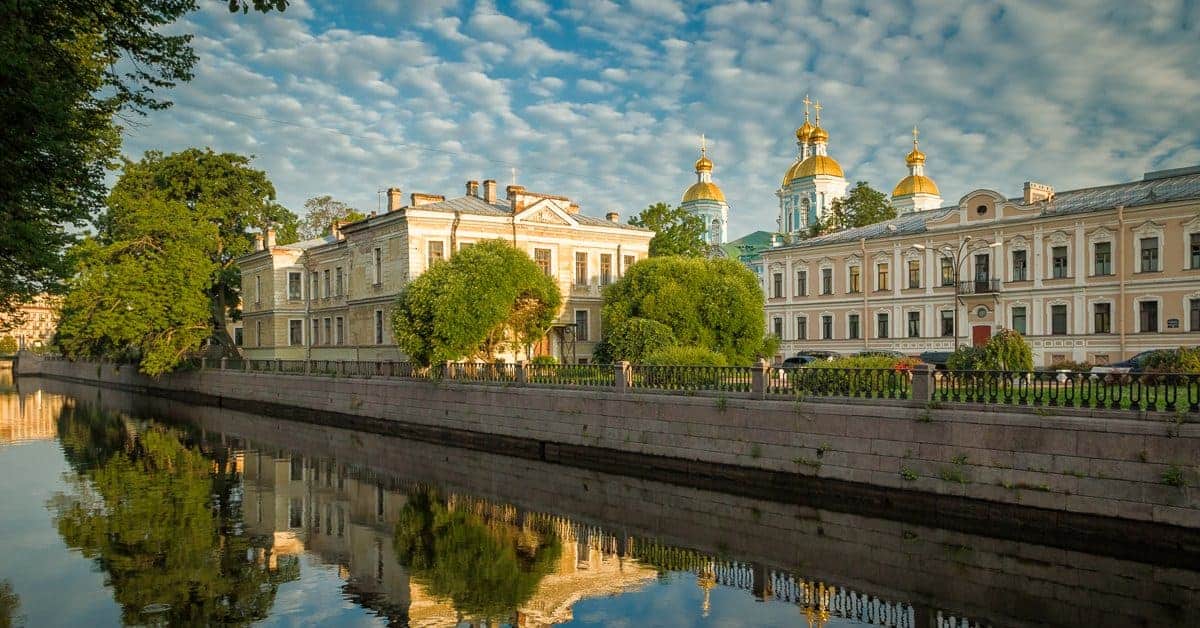
Following the Ottoman conquest of Constantinople in 1453, the peoples of Russia and Ukraine began to look to the West not only for trading partners, but also for political, intellectual and artistic models. The Westernization of northern Slavic societies rooted in Byzantine traditions of governance and religion accelerated during the tumultuous seventeenth century, which saw…
-
Out of the Ashes of Smyrna: The Jewell of Asia Minor
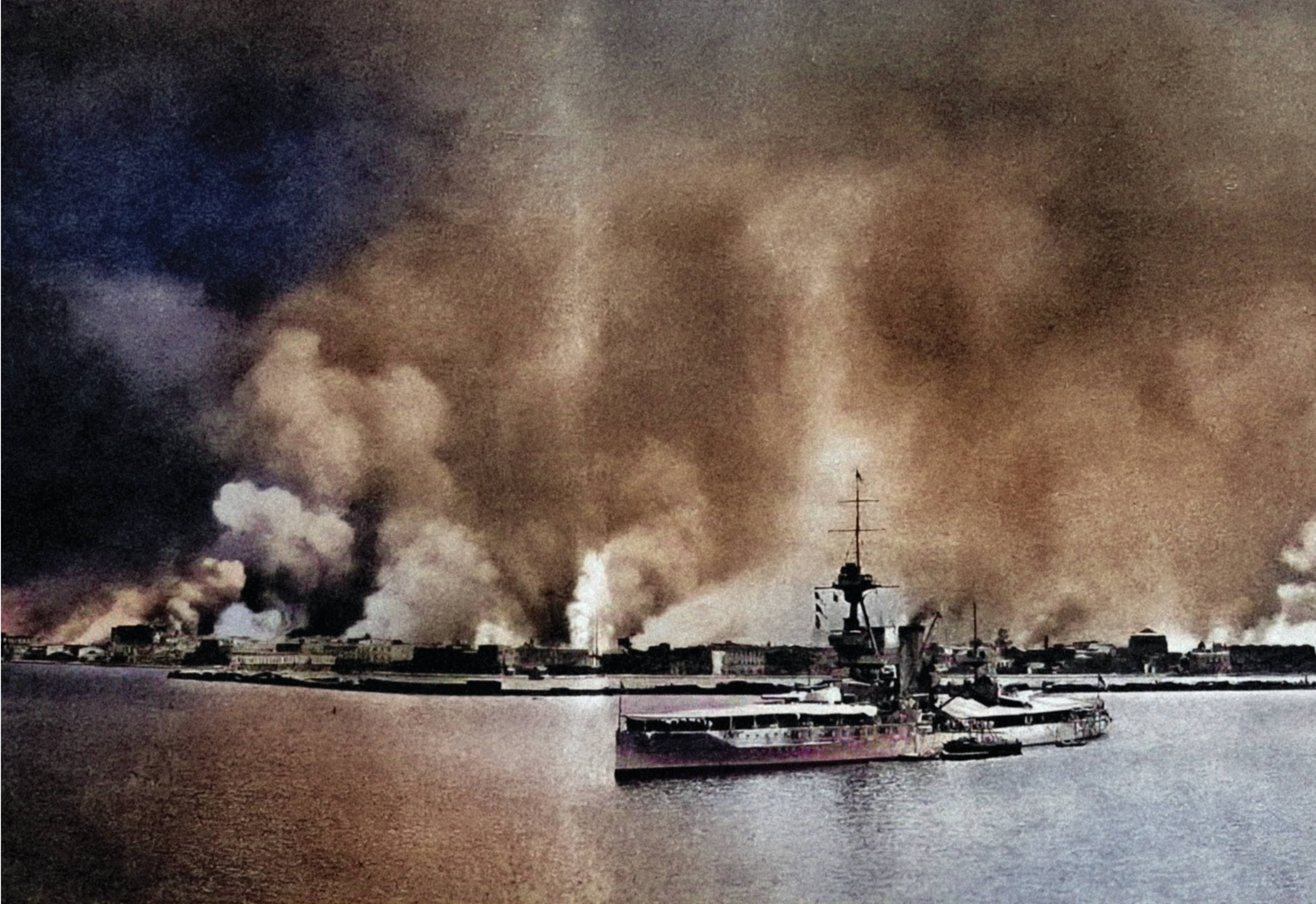
Since the 18th century, the city of Smyrna, on the western shores of Asia Minor, was the most important commercial port in the Eastern Mediterranean. Through the early 20th century, both raw materials for industrial textiles as well as agricultural products were exported from Smyrna to the West. The resulting economic prosperity brought diverse populations…
-
Maximilian Steinberg, “Passion Week”, Op. 13 — Notes
Historians of Orthodox Christianity have charted the emergence of a ‘Russian Religious Renaissance’ out of the so-called ‘Silver Age’ of Russia, the culturally fruitful but politically turbulent decades immediately prior to the Bolshevik takeover in 1917. This movement encompassed a broad range of efforts aimed at various forms of spiritual, ecclesial, cultural, and national renewal…
-
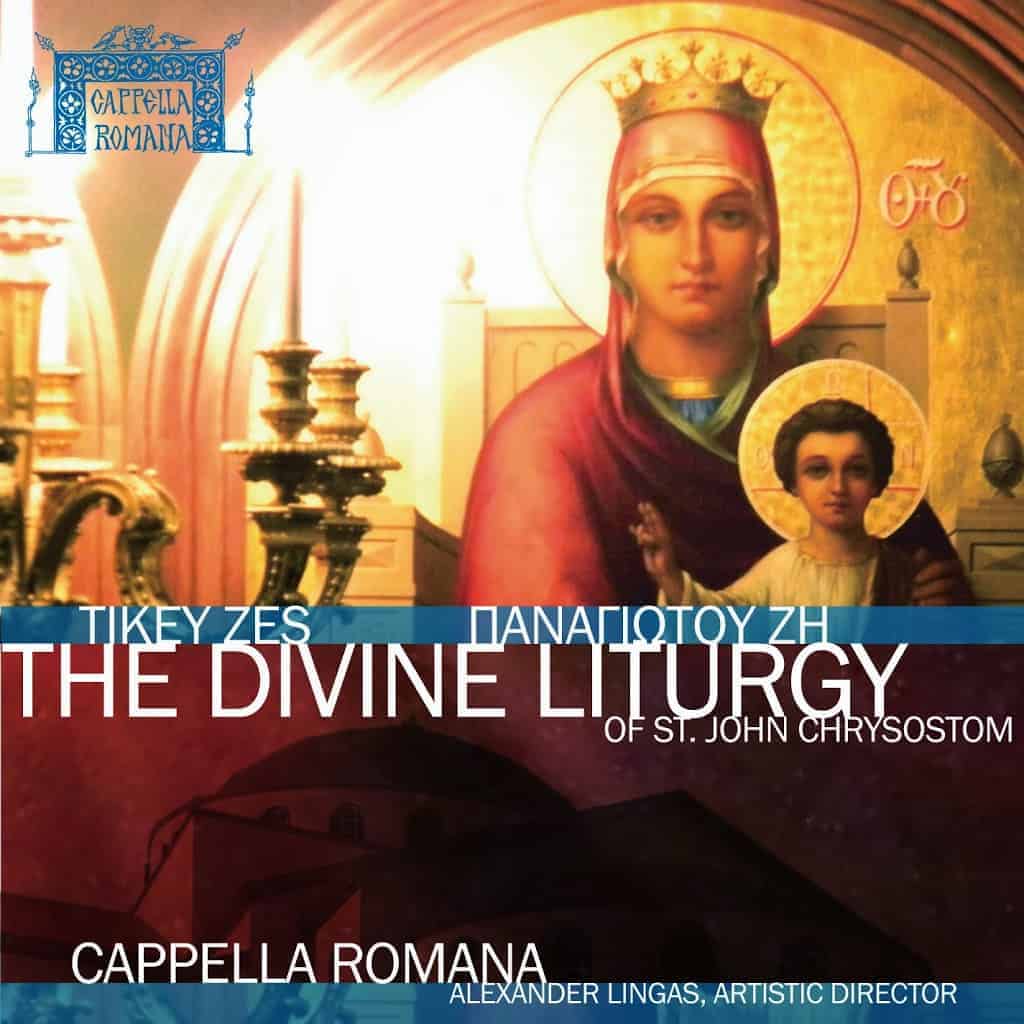
The Divine Liturgy of St. John Chrysostom
The Divine Liturgy bearing the name of St. John Chrysostom (d. 407) is the form of the Eucharist celebrated most frequently in the modern Byzantine rite. Like the communion services of most other Christian traditions, it features two large sections: a service of the Word that climaxes with readings from the New Testament and concludes…
-
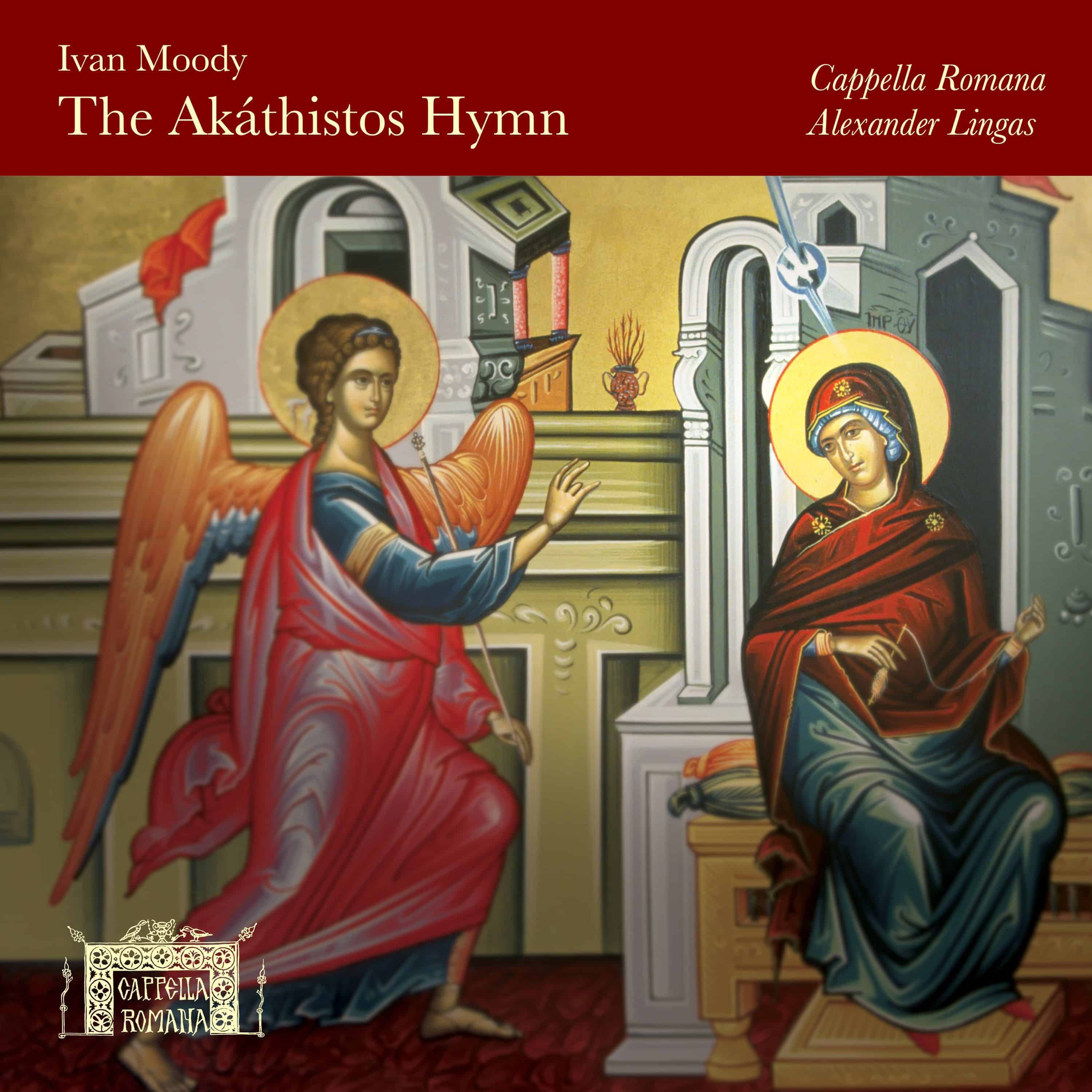
The Akáthistos Hymn Recording Available Now
The Akáthistos Hymn to the Virgin Mary, set by Ivan Moody. This lyrical masterpiece in 24 stanzas has been treasured for nearly 1,500 years by Eastern Christians. Father Moody’s 1998 setting, composed specially for the ensemble, weaves beloved Greek melodies into Russian choral textures as it progresses from reverent contemplation to ecstatic transcendence. This second…
-
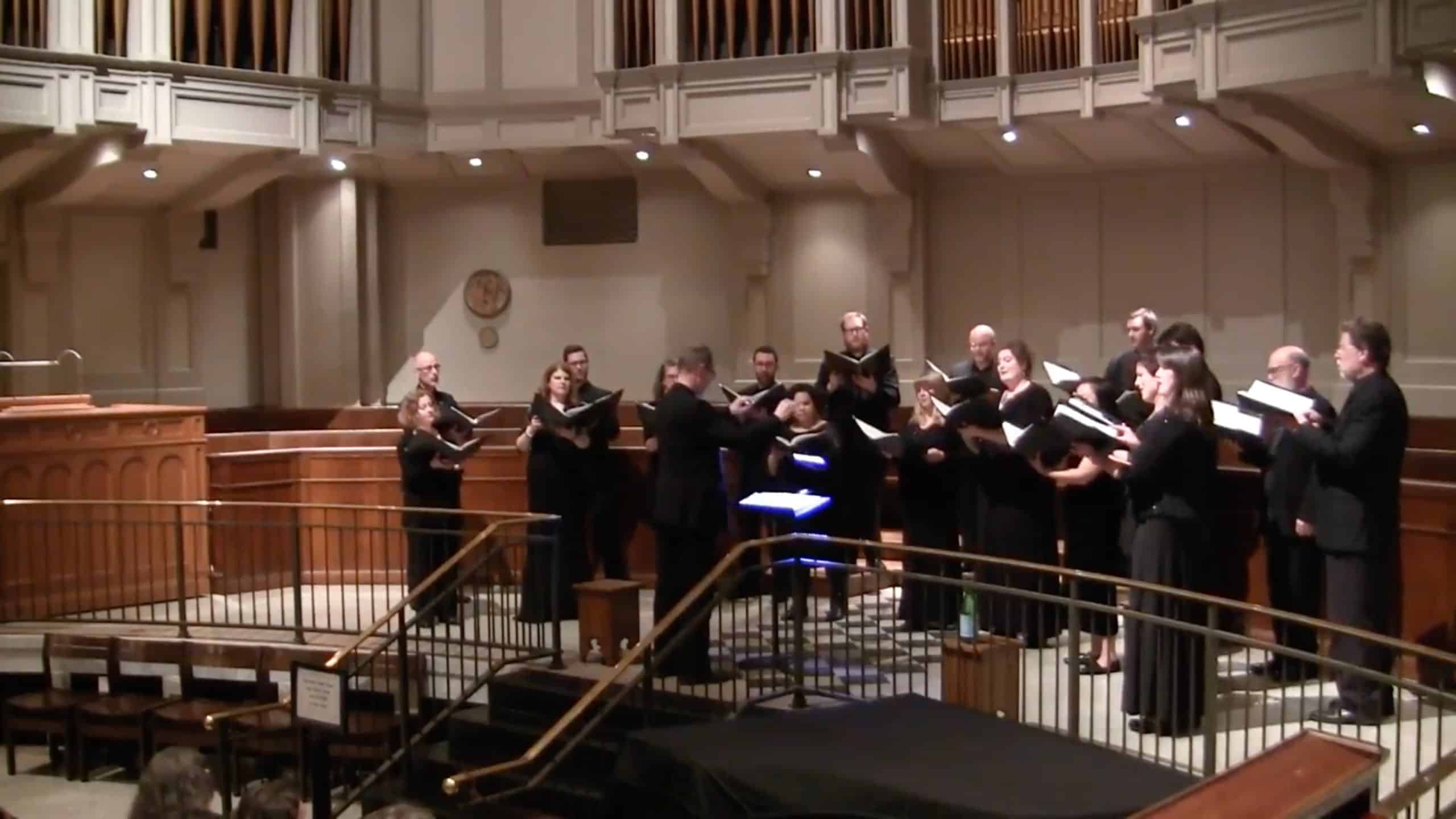
The Sun Break Review for Arctic Light II: Northern Exposure
“St. James Cathedral is the perfect space in which to hear Cappella Romana. The sonorities of the deep voices and the pure quality of all the voices in this unaccompanied choir make harmonies as clean as they can be, sometimes creating overtones if you listen carefully, and enhanced by the acoustics of the setting, as…
-
2012-2013 Season: Rachmaninoff Liturgy
Sergei Rachmaninoff – The Liturgy of St. John Chrysostom • ЛИТУРГИЯ ИОАННА ЗЛАТОУСТА OP. 31 Director: Alexander Lingas Following three sold-out performances last season of Rachmaninoff’s All-Night Vigil (“Vespers”), this year Cappella Romana presents Rachmaninoff’s first major a cappella work, his 1910 Divine Liturgy. Additional hymns and psalms set by composers such as Kastalsky, Tchaikovsky,…

You must be logged in to post a comment.