-
Kastalsky Requiem: Program Notes
Vasily Polikarpovich Titov (c.1650–c.1715) – Cherubic Hymn; Megalynarion Vasily Titov was one of two leading composers of Russian Baroque music, the other being Nikolai Diletsky (c. 1630–80). Titov’s life and work mark the mid-point of the process of Russia’s musical Westernization, which gained new momentum during the reign of Tsar Peter the Great (1689 –1725).
-
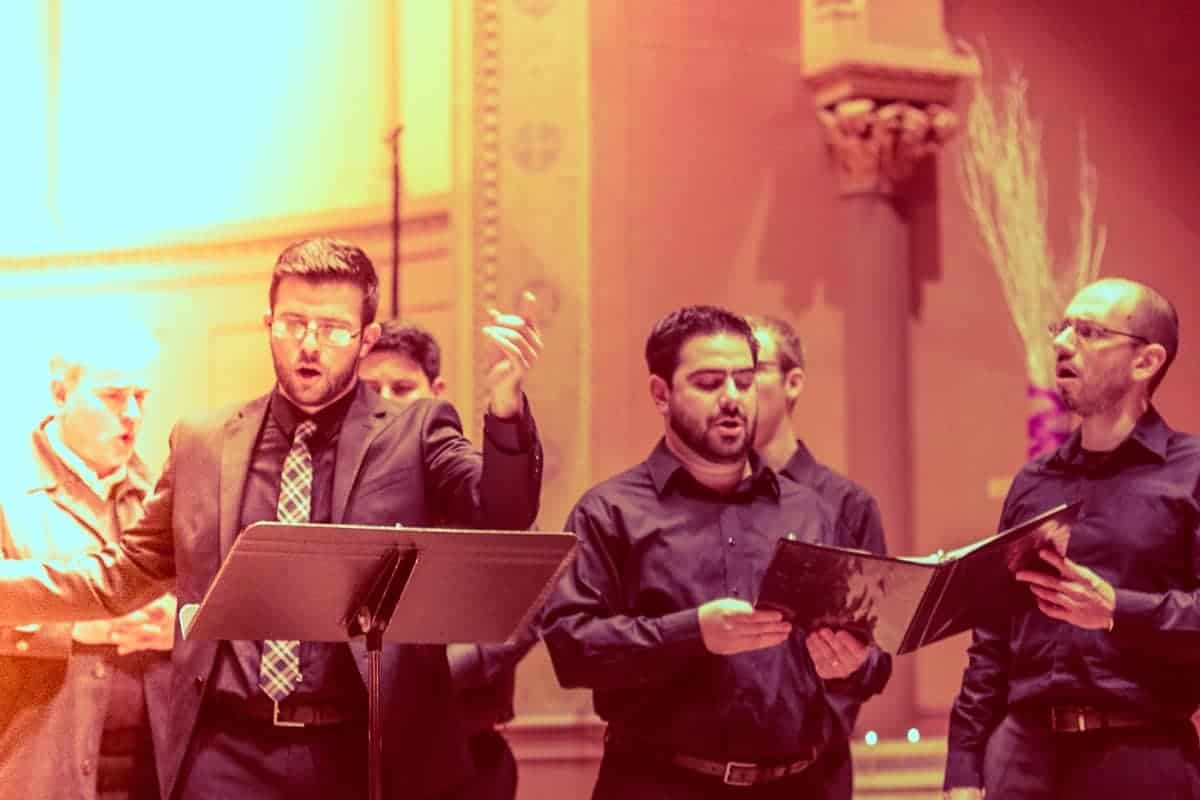
Psaltikon: The Day of Resurrection
The Historical Development of Easter The celebration of Easter (i.e., Pascha) for Orthodox Christians commences on Saturday morning with a Vesperal Liturgy that comprises psalms, hymns, and Old Testament readings, followed by the Divine Liturgy of St. John Chrysostom. Pascha is formally inaugurated several hours later, at midnight, in a rush of blazing candles, exuberant
-
Lost Treasures of Armenia
The Holy Armenian Apostolic Orthodox Church continues to embody a living tradition of primarily monodic vocal music of exceptional richness and beauty. Though its hymnography is traditionally believed to have commenced with the invention of the Armenian alphabet in the fifth century, and the Hymnal as a canonical collection was definitively closed in the fourteenth
-
Christmas in Ukraine Opening Weekend
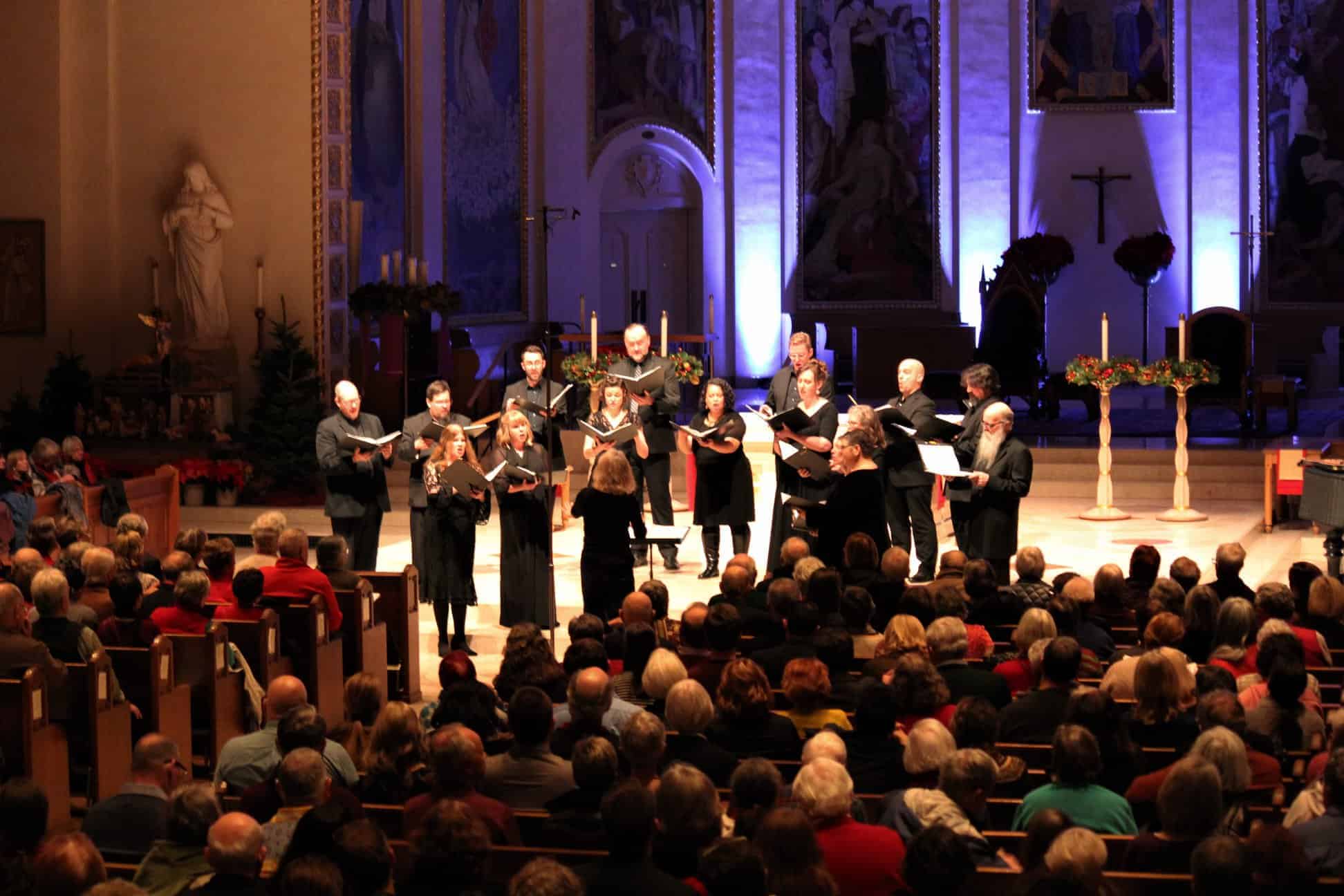
What a wonderful weekend celebrating “Christmas in Ukraine” with sold-out, packed halls in Seattle and Portland. ✨ Khïstos razhdayetsia! Slavite yeho!
-
The SunBreak Reviews “Venice in the East”
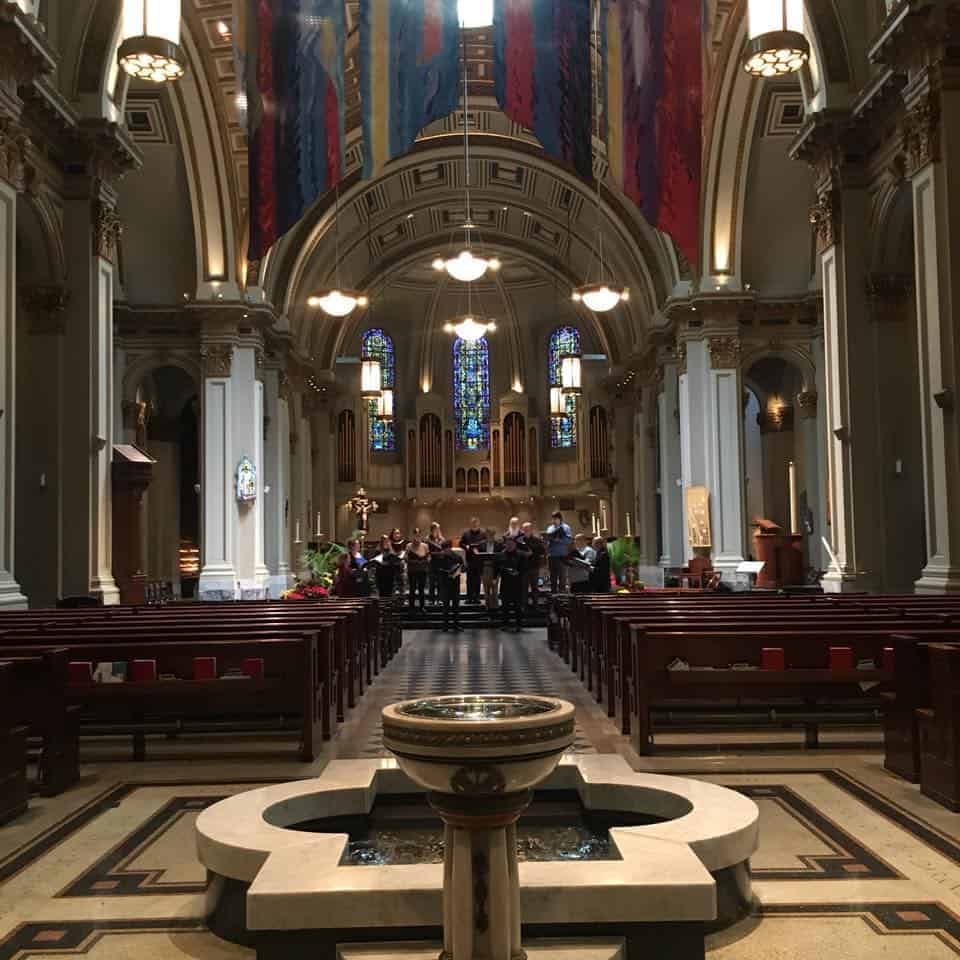
Seattle’s The SunBreak reviews Cappella Romana’s April 27, 2018 Venice in the East performance: “Hearing Cappella Romana singing in St. James Cathedral is to hear a slice of heaven. … As always, the presentation was scholarly, as accurate a portrayal of the music as it would have been performed as can be ascertained through diligent
-
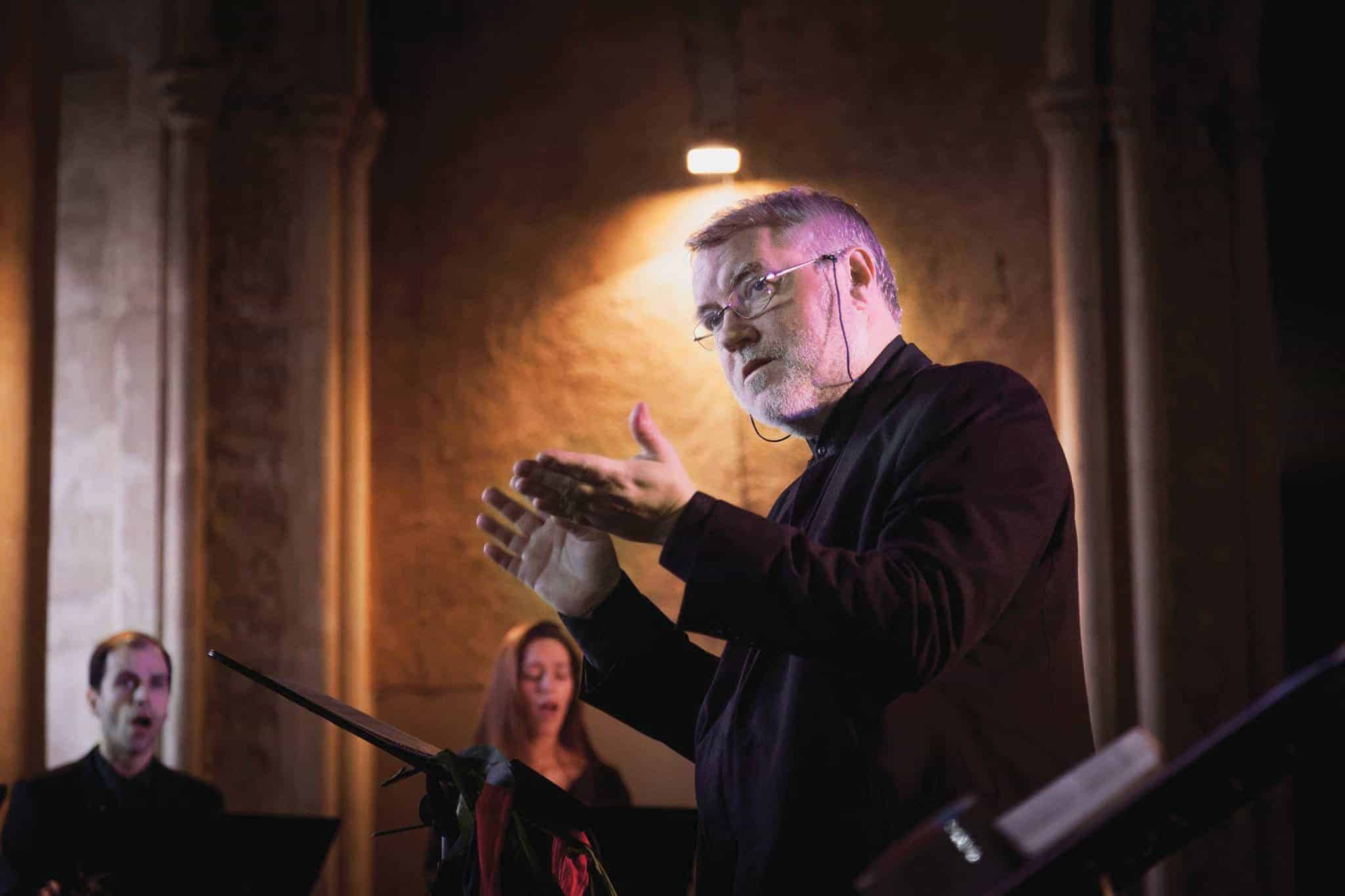
Ivan Moody Talks Akáthistos Hymn With iClassics
“The harmonies are lush and dark in Russian style, though periodically the shadows disperse as in a cloud-break and the sound brightens. The effect over the whole hymn is of a slow revelation of light and warmth over an ancient musical ground.” (Willamette Week) “Something new, substantial, and profound” (Sunday Oregonian) Standing Room Only — Ivan
-
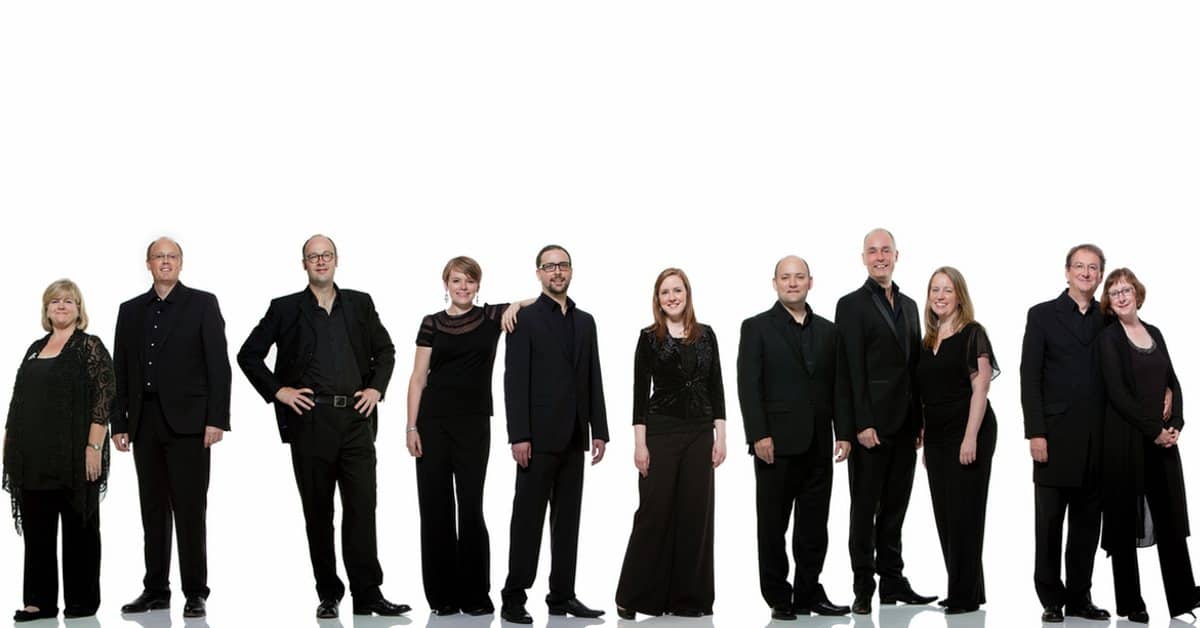
The Tallis Scholars: Metamorphosis
METAMORPHOSIS H. Praetorius: Magnificat IV Gibbons: Magnificat (‘Short’) Pärt: Magnificat Sheppard: Our father Tavener: Our father (1999 version) Stravinsky: Otche nash Palestrina: Pater noster (a5) Gallus: Pater noster (a8) Interval Chant: Ave Maria Mouton: Ave Maria – virgo serena Stravinsky: Bogoroditse devo Pärt: Bogoroditse devo Gibbons: Nunc dimittis (‘Short’) Eccard: Maria wallt zum Heiligtum Pärt:
-
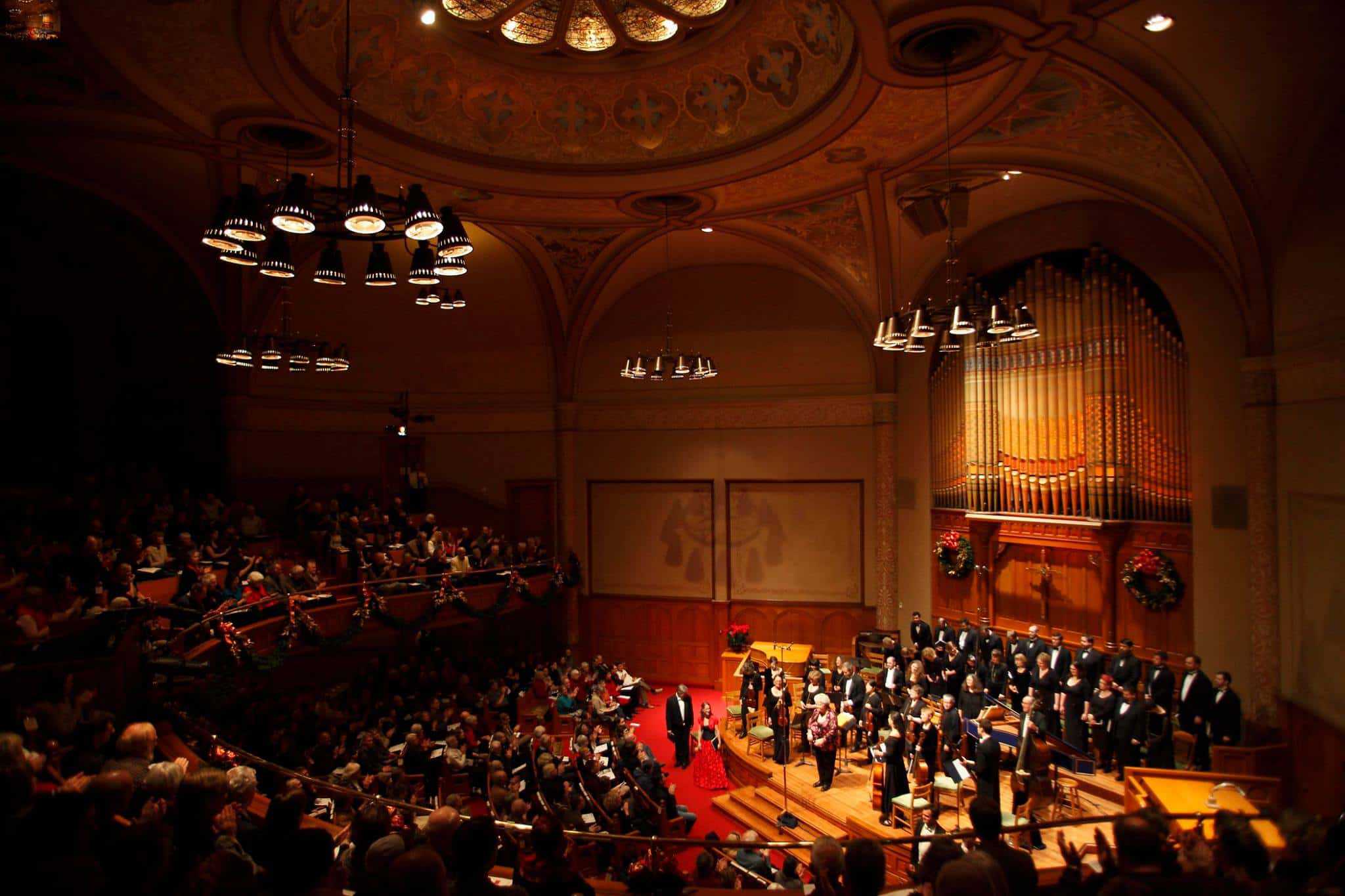
Artslandia Reviews Handel’s Messiah
“…since 2010 the choruses have been sung by Cappella Romana, the city’s finest choir.… Given their long experience with the piece (and a wide range of other music besides), Cappella Romana was unsurprisingly terrific; their performance was a model of Handel performance and worth the price of admission on its own. Within and across sections,
-
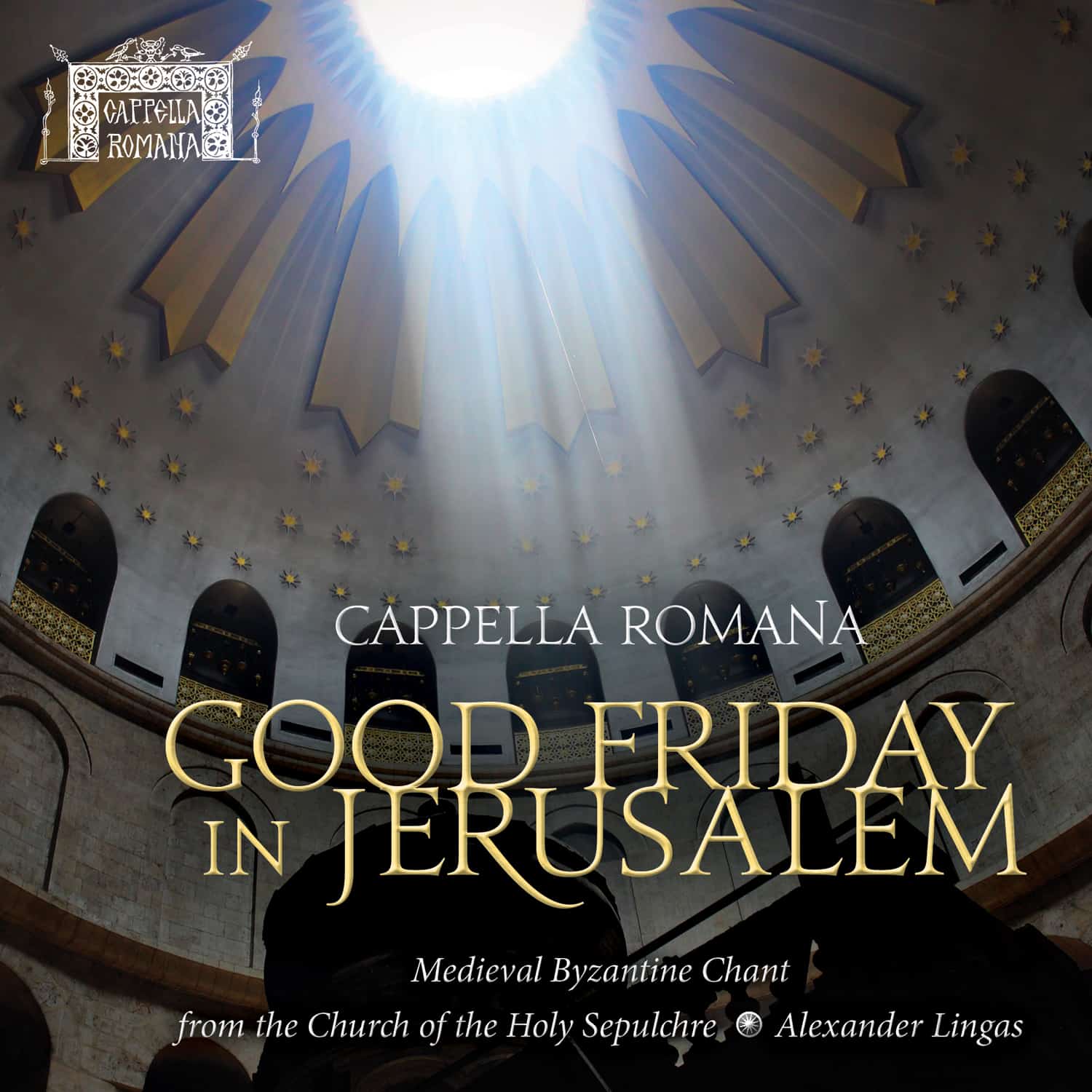
Audiophile Audition Five Star Review for Good Friday In Jerusalem!
Audiophile Audition‘s Steven Ritter gives five star to the new Cappella Romana Good Friday In Jerusalem release! “This is the all-male version of Cappella Romana, and Alexander Lingas has his Portland-based ensemble going from strength to strength, perfectly judged balances among the melodists and those singing the ison, or lower drone notes, and executing these
-
Gifts of Securities to Cappella Romana
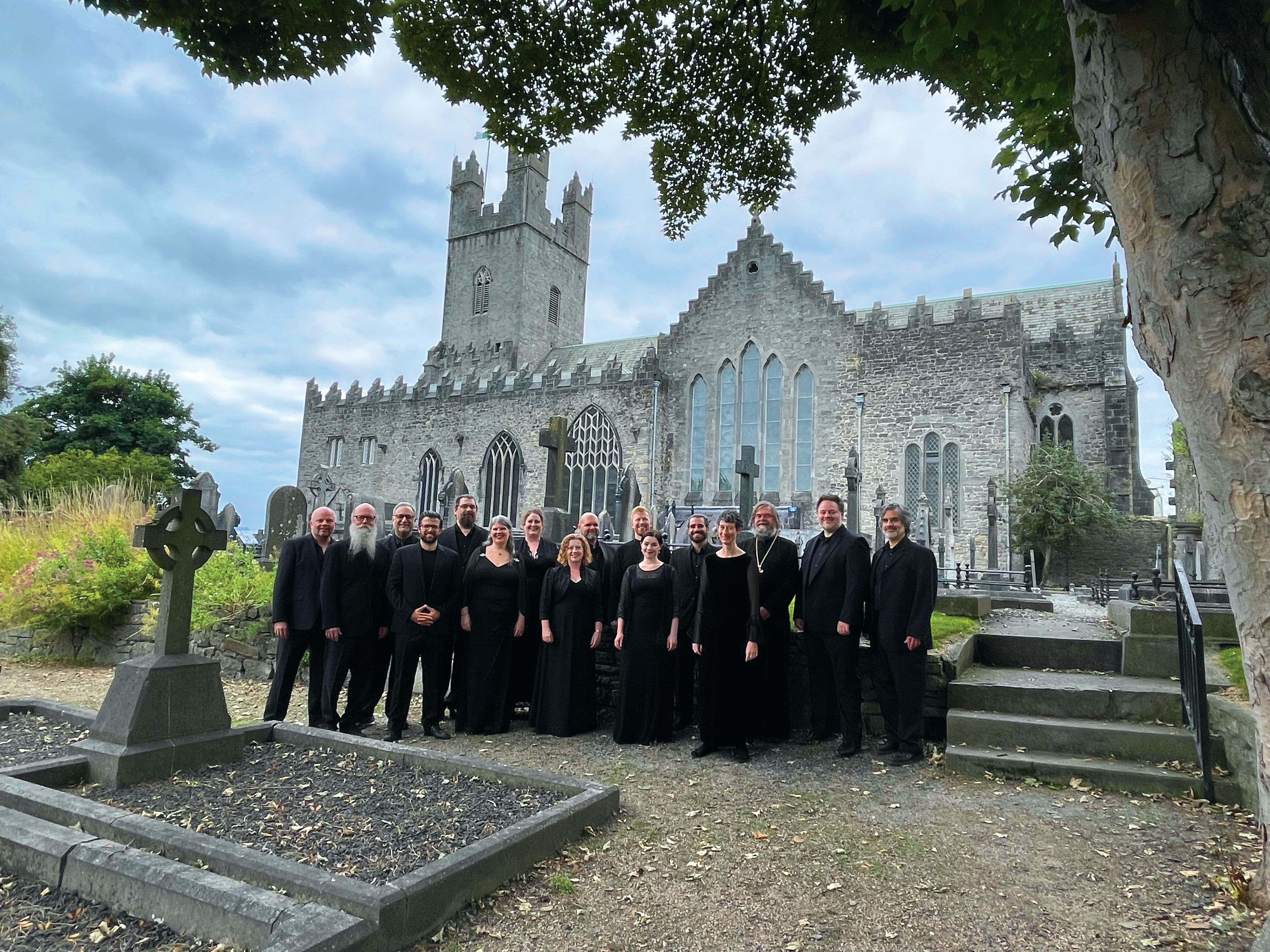
Yes, you can give Securities to Cappella Romana When you make a gift of appreciated securities you help Cappella Romana, and could receive a double tax benefit—a charitable deduction and avoidance of capital gains tax. Securities can be donated to the Annual Fund, to specific publications or to recording projects, to name just a few
-
Mass Appeal – Living Traditions
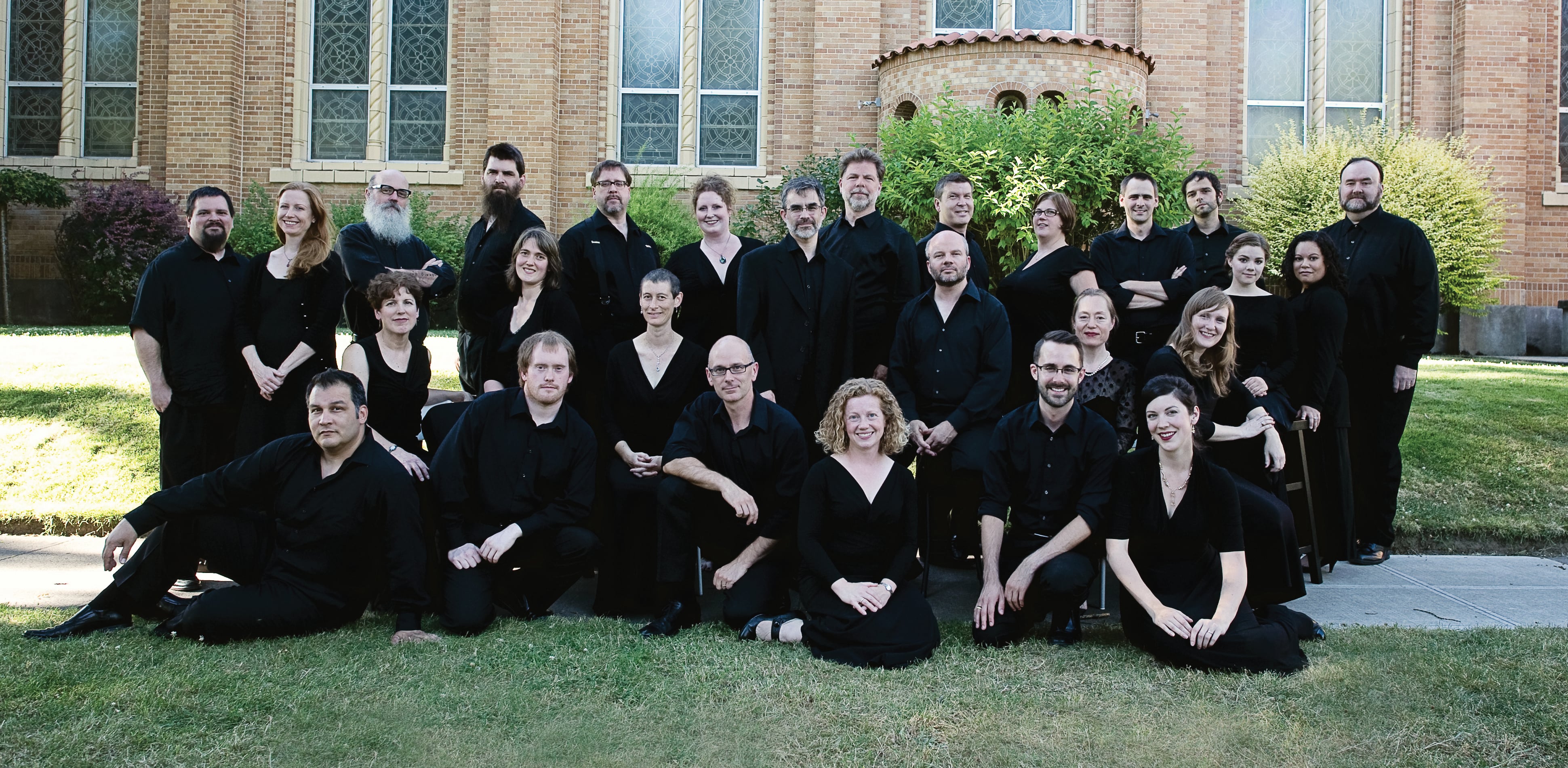
Mass Appeal SEATTLE Fri 24 Oct 2O25, 7:3O PMSt. Mark’s CathedralCapitol Hill, Seattle PORTLAND Sun 26 Oct 2O25, 2:OO PMSt. Mary’s CathedralNorthwest Portland It was 2018 when David Hattner first proposed pairing Bruckner’s Mass in E minor with Stravinsky’s Mass in a project with Cappella Romana and Portland Youth Philharmonic, and I immediately recognized the
-
Echoes of the Renaissance — Program Notes
In his magisterial The Rise of European Music, 1380–1500, Reinhard Strohm traces the development and dissemination of complex styles of music written with multiple voice parts using measured (‘mensural’) notation that enabled precise rhythmic coordination of the voices. By the middle of the fifteenth century the most notable centers for the production of this polyphonic

You must be logged in to post a comment.