-
Kastalsky Requiem: Program Notes
Vasily Polikarpovich Titov (c.1650–c.1715) – Cherubic Hymn; Megalynarion Vasily Titov was one of two leading composers of Russian Baroque music, the other being Nikolai Diletsky (c. 1630–80). Titov’s life and work mark the mid-point of the process of Russia’s musical Westernization, which gained new momentum during the reign of Tsar Peter the Great (1689 –1725).
-
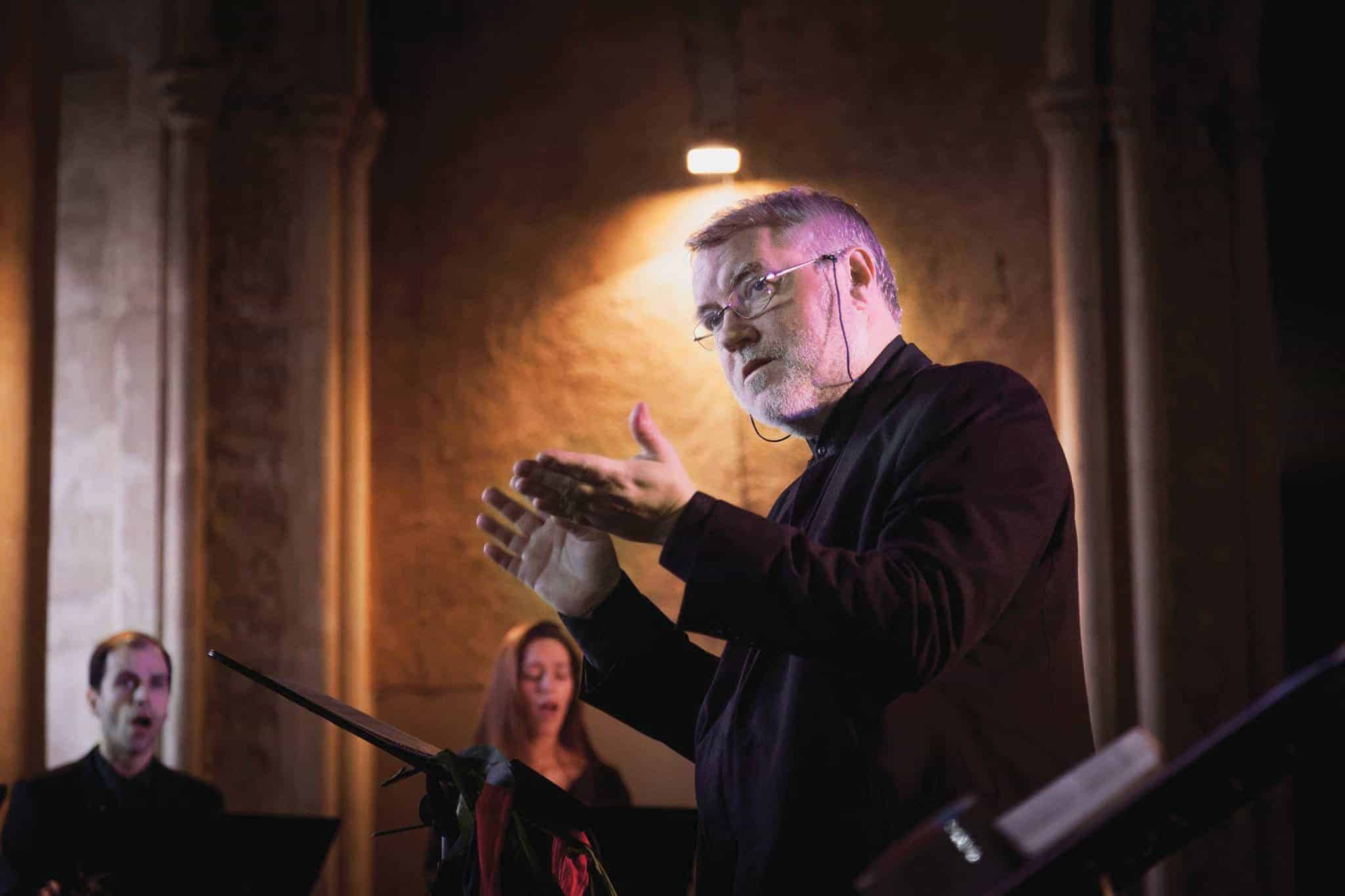
Ivan Moody Talks Akáthistos Hymn With iClassics
“The harmonies are lush and dark in Russian style, though periodically the shadows disperse as in a cloud-break and the sound brightens. The effect over the whole hymn is of a slow revelation of light and warmth over an ancient musical ground.” (Willamette Week) “Something new, substantial, and profound” (Sunday Oregonian) Standing Room Only — Ivan
-
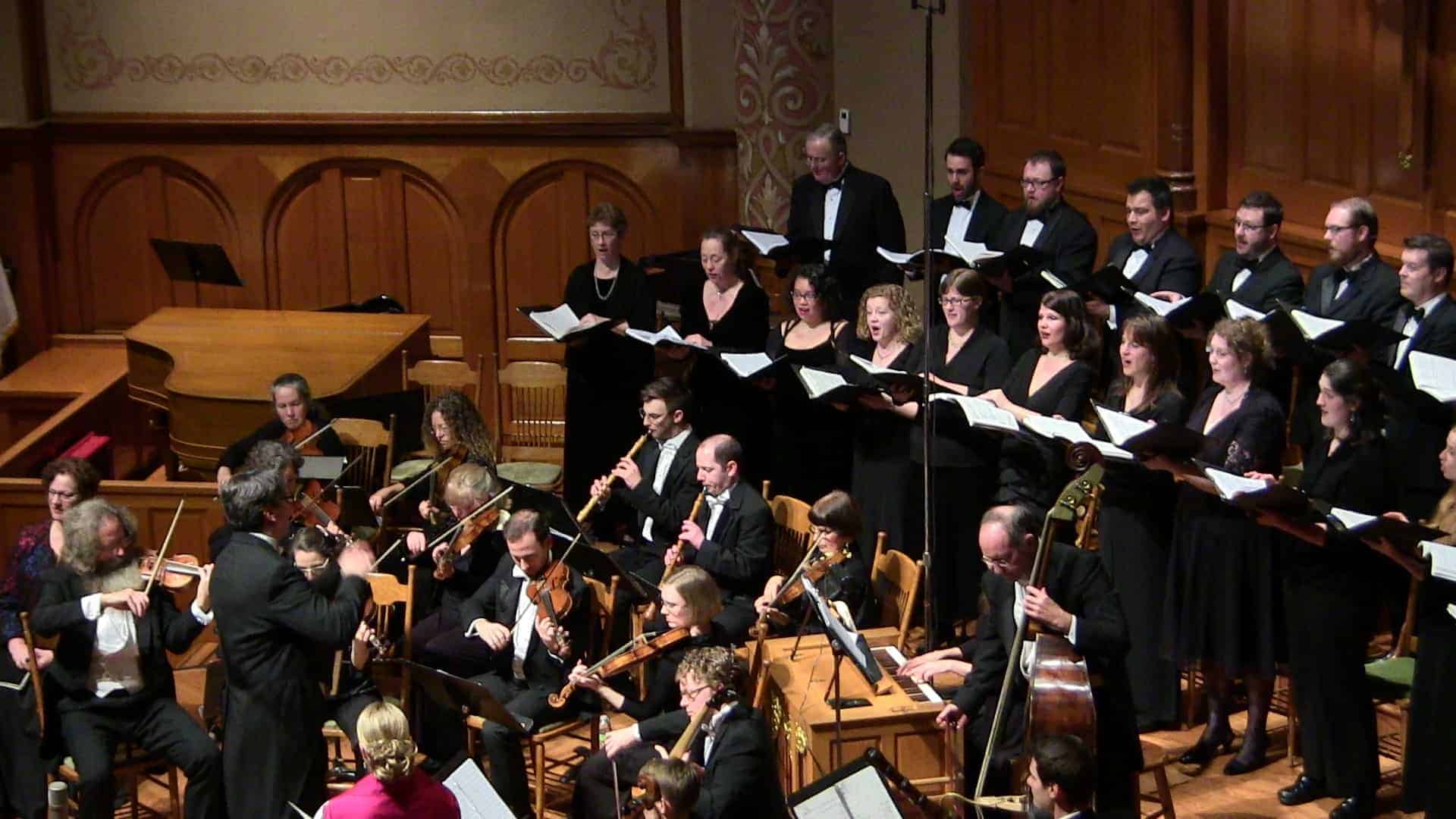
Handel’s Messiah — Notes by John Butt
Messiah The libretto that the irascible Charles Jennens sent to Handel at some point in the summer of 1741 was not in itself an extraordinary document within the Christian tradition. After all, the Gospels and Epistles already made ample reference to the way in which the New Testament was foretold in the Old, and this tradition
-
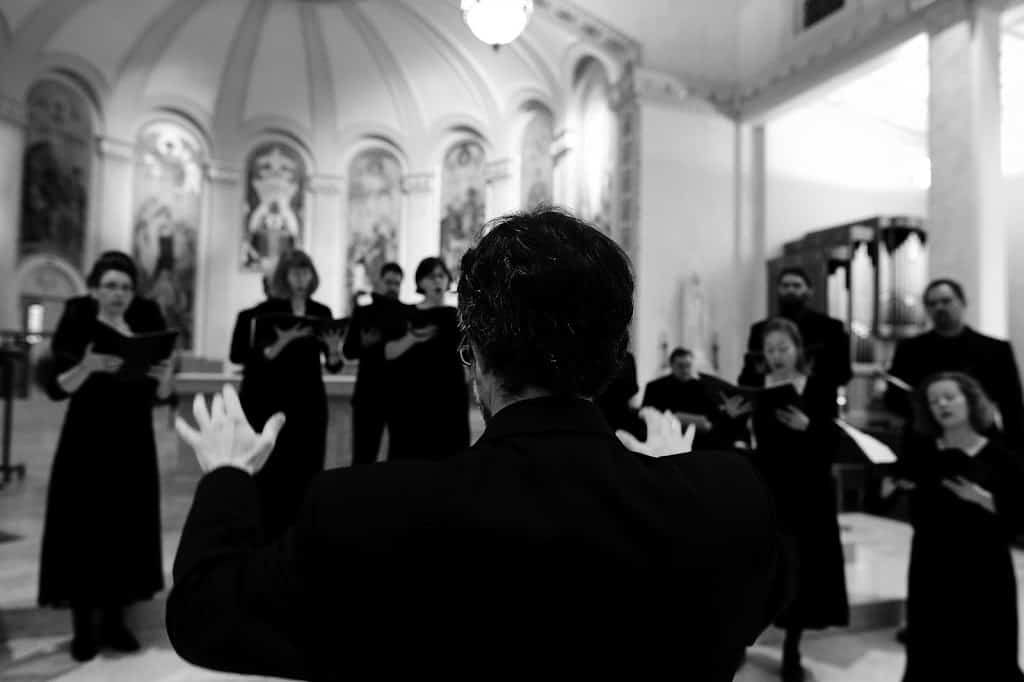
From Constantinople to California – Program Notes Part Two
The Eastern Roman Empire—commonly called “Byzantium” after the ancient name of its capital Constantinople — not only survived the downfall of Rome by a millennium, but also created a musical tradition that remains both alive and influential today. In From Constantinople to California Cappella Romana will follow this tradition from its medieval origins to contemporary Los
-
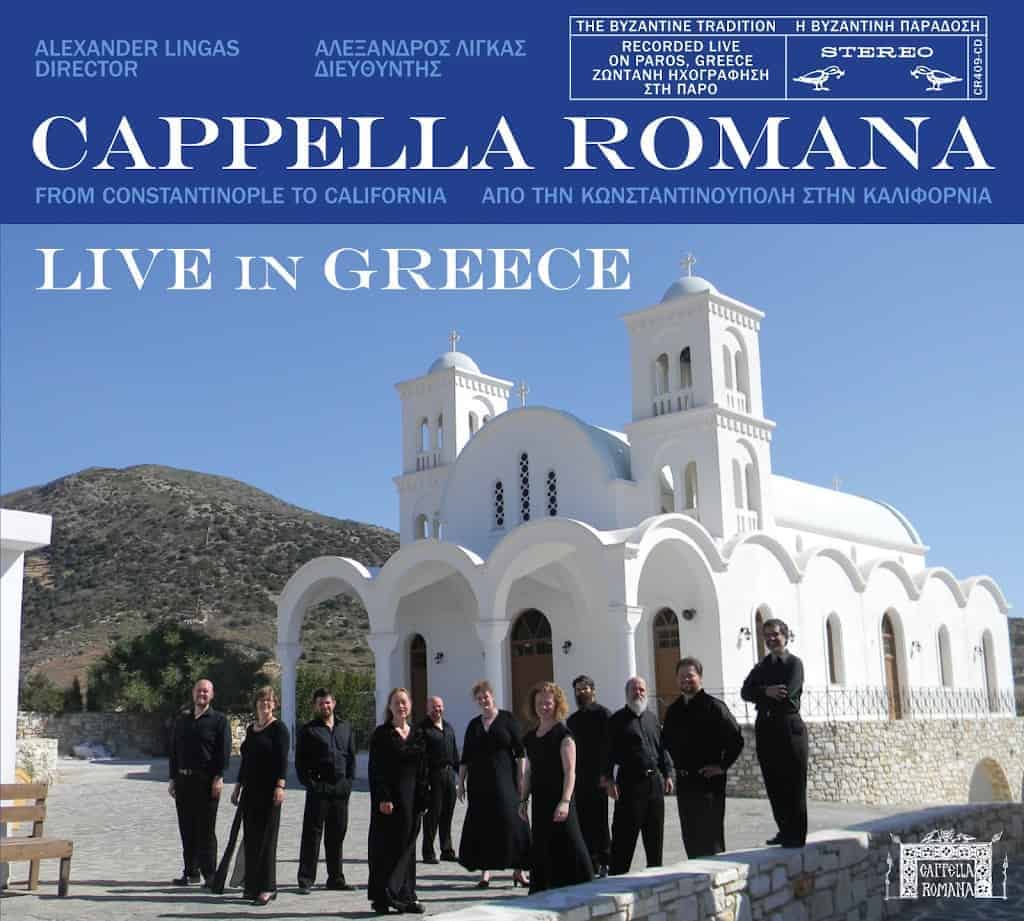
LIVE IN GREECE: From Constantinople to California – Part Two
As we approach the release of LIVE IN GREECE: From Constantinople to California, we’ll be sharing some excerpts from the liner notes to give you a bit of background into the programming of this recording. I – Greeks and Latins in the Eastern Mediterranean The Crusades transformed the Eastern Mediterranean politically into a patchwork of
-
Bissera Pentcheva Interview on Hagia Sophia in Kathimerini
Greek news outlet Kathimerini has published a new interview with Stanford University’s Bissera Pencheva who has worked with Cappella Romana as part of our Hagia Sophia project and recording. Read the interview in the original Greek at Kathimerini.gr and see the translation below: What distinguishes Hagia Sofia from other churches and monuments of the Christian
-
The Divine Liturgy of St. John Chrysostom by Tikey Zes
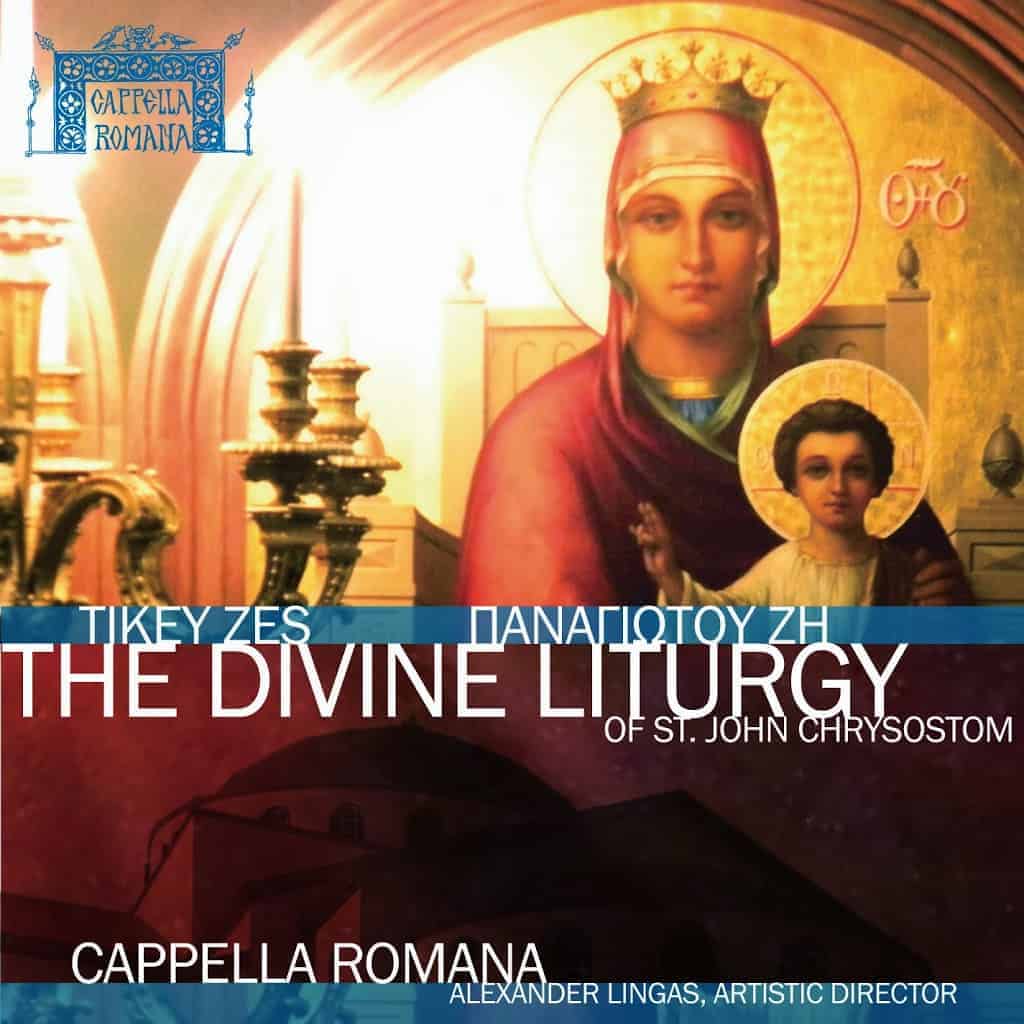
Dr. Zes first published in 1991 The Divine Liturgy of St. John Chrysostom recorded on this disc. In 1996 he reissued it in an expanded edition that he dedicated to Cappella Romana, which had presented the concert premiere of the work in 1992. It is a collection of choral settings intended for Orthodox liturgical use
-
Mass Appeal – Living Traditions
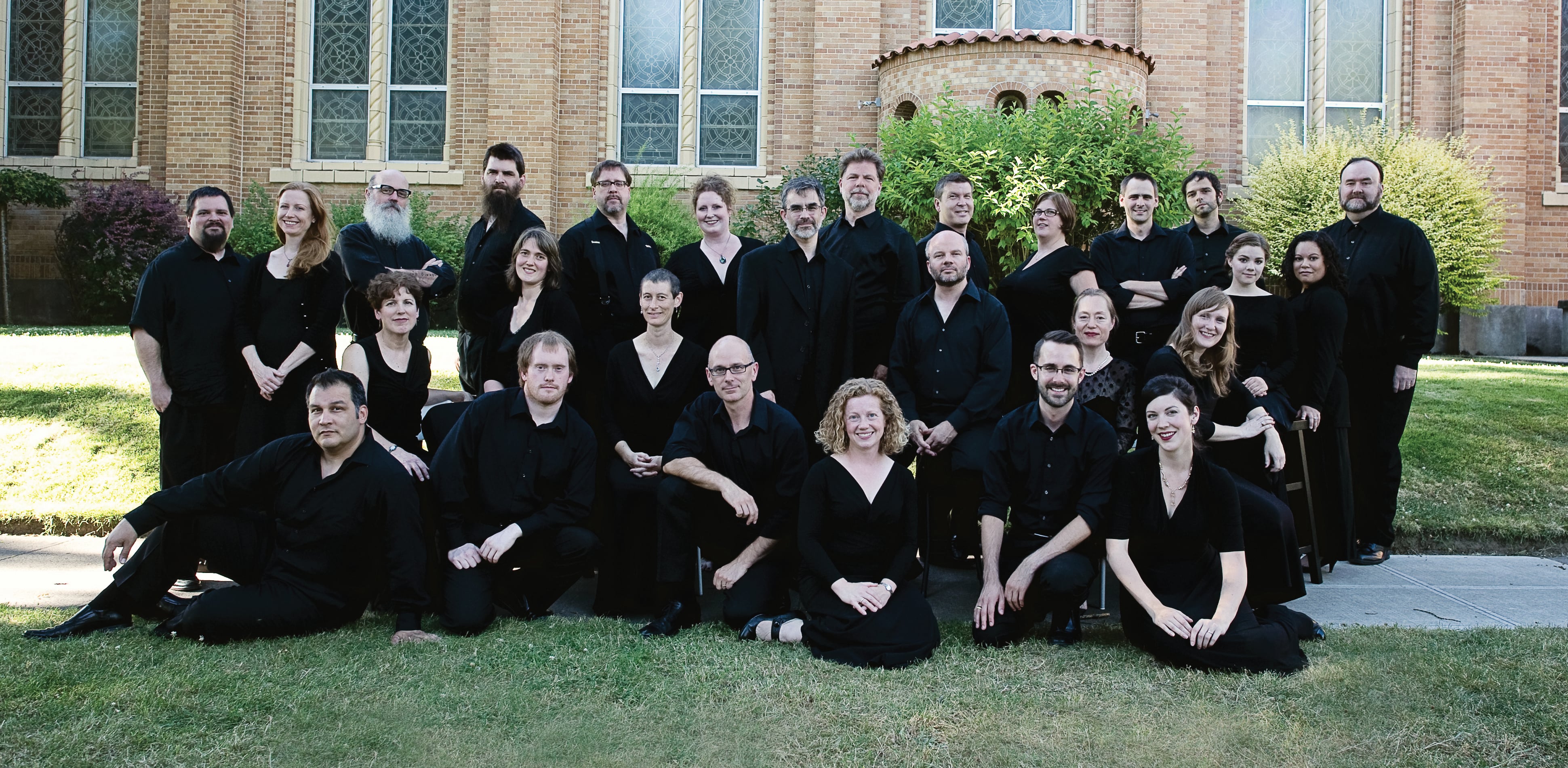
Mass Appeal SEATTLE Fri 24 Oct 2O25, 7:3O PMSt. Mark’s CathedralCapitol Hill, Seattle PORTLAND Sun 26 Oct 2O25, 2:OO PMSt. Mary’s CathedralNorthwest Portland It was 2018 when David Hattner first proposed pairing Bruckner’s Mass in E minor with Stravinsky’s Mass in a project with Cappella Romana and Portland Youth Philharmonic, and I immediately recognized the
-
LIVE IN GREECE: From Constantinople to California – Part Five
As we approach the release of LIVE IN GREECE: From Constantinople to California, we’ll be sharing some excerpts from the liner notes to give you a bit of background into the programming of this recording. Part One Part Two Part Three Part Four Younger Byzantine Contemporaries Two younger contemporaries of Frank Desby who were strongly
-
Rachmaninoff: The Divine Liturgy of St. John Chrysostom
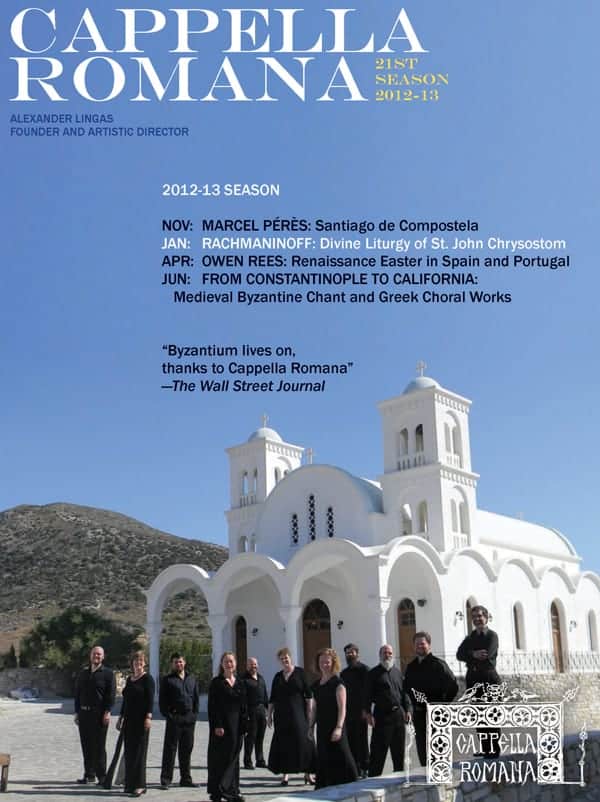
NEW: previews of this weekend’s concerts:Crosscut by Thomas May“the group’s brand of meditative sacred music from the Orthodox tradition is just what the doctor ordered.” The Sun Break by Michael van Baker “their performances of last season’s Vespers (also by Rachmaninoff) sold out, so you may want tickets in advance.” Before the Rachmaninoff Divine Liturgy concerts this
-
The Divine Liturgy Of St. John Chrysostom — Liner Notes Part Three
A Second Generation of Greek American Church Musicians After the Second World War a second generation of Greek American church musicians emerged, some of whom had received training in Western art music at American universities. The composers among them soon began to recast the legacy of Sakellarides by rescoring his harmonized works idiomatically for mixed
-
Keeping Up with the Venetians — Part One
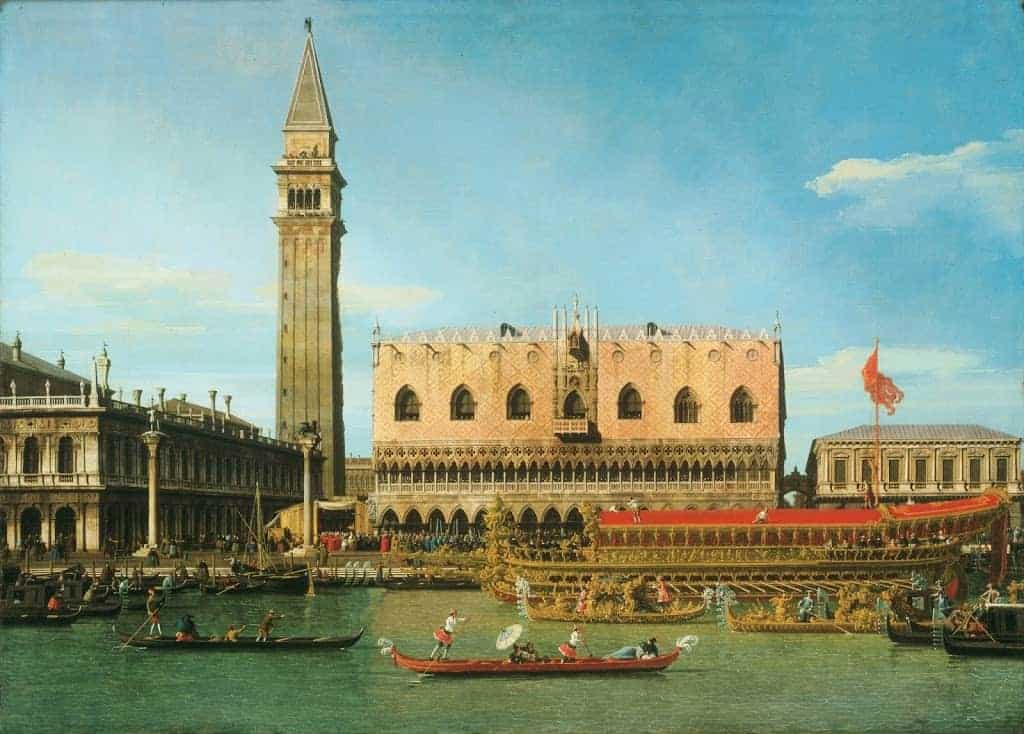
Keeping Up with the Venetians Program Notes for Venetian Baroque: Galuppi + Vivaldi + Bortniansky The islands in the Venetian lagoon, which by the 8th century had banded together to ally themselves with the Empire of the Romans governed from Constantinople (Byzantium), quickly became one of the inhabited world’s great centers of power and wealth.

You must be logged in to post a comment.