
Category: Alexander Lingas
-
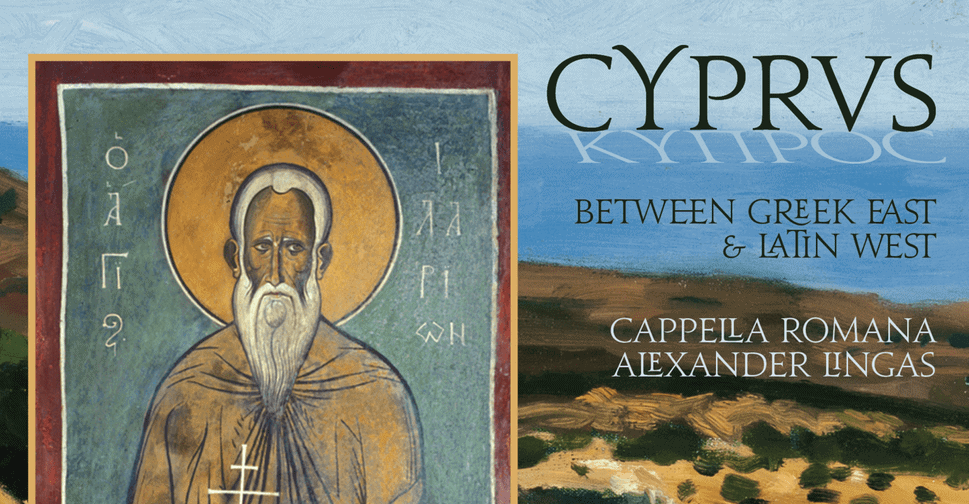
Five Stars for Cyprus from Audiophile Audition!
Audiophile Audition‘s Steven Ritter gives Cyprus: Between Greek East & Latin West a ⭐️⭐️⭐️⭐️⭐️ rating! “Hearing this Orthodox and Roman Catholic music side-by-side is quite enlightening. Saturate yourself in either for about an hour and then switch for another hour, and you’ll swear they are the most disparate genres ever. Listen to both, sometimes alternating
-
Byzantine Music in Cyprus
Manuscripts of Byzantine chant copied through the middle of the fifteenth century show that Cyprus remained closely tied to the musical mainstream of Byzantium. The two hymns (stichera) from the Greek office for St Hilarion included on the present recording are excerpts from a longer sequence of hymns interpolated on the eve of his feast
-
Cyprus — The Ars nova and its Byzantine Counterpart
Latin and Greek sacred music of the Middle Ages shared both roots in the Christian psalmody of Roman Late Antiquity and a common inheritance of Ancient Greek musical theory. Despite centuries of troubled relations between Byzantine Christianity and the Church of Rome that went from bad to worse with the Crusader sack and occupation of
-
Medieval Cyprus Between East and West
Located at a strategic point in the Eastern Mediterranean close to the coasts of Asia Minor (modern Turkey) and the Middle East, the island of Cyprus has been a site of commercial and cultural interchange since the dawn of civilization. Christianity came to the island with the apostles Paul and Barnabas, the latter of whom
-
Patrick Comerford Previews Cappella Romana’s All-Night Vigil Centennial Performance And More
After attending Dr. Alexander Lingas’ Kilkenny Arts Festival lecture “The Lost Music of Byzantium” last Saturday, blogger Patrick Comerford previews Cappella Romana’s upcoming Rachmaninoff All-Night Vigil concert series: “This year marks the centenary of the All-Night Vigil, the a cappella choral composition by Sergei Rachmaninoff, his Op. 37. … To mark this centenary, Cappella Romana
-
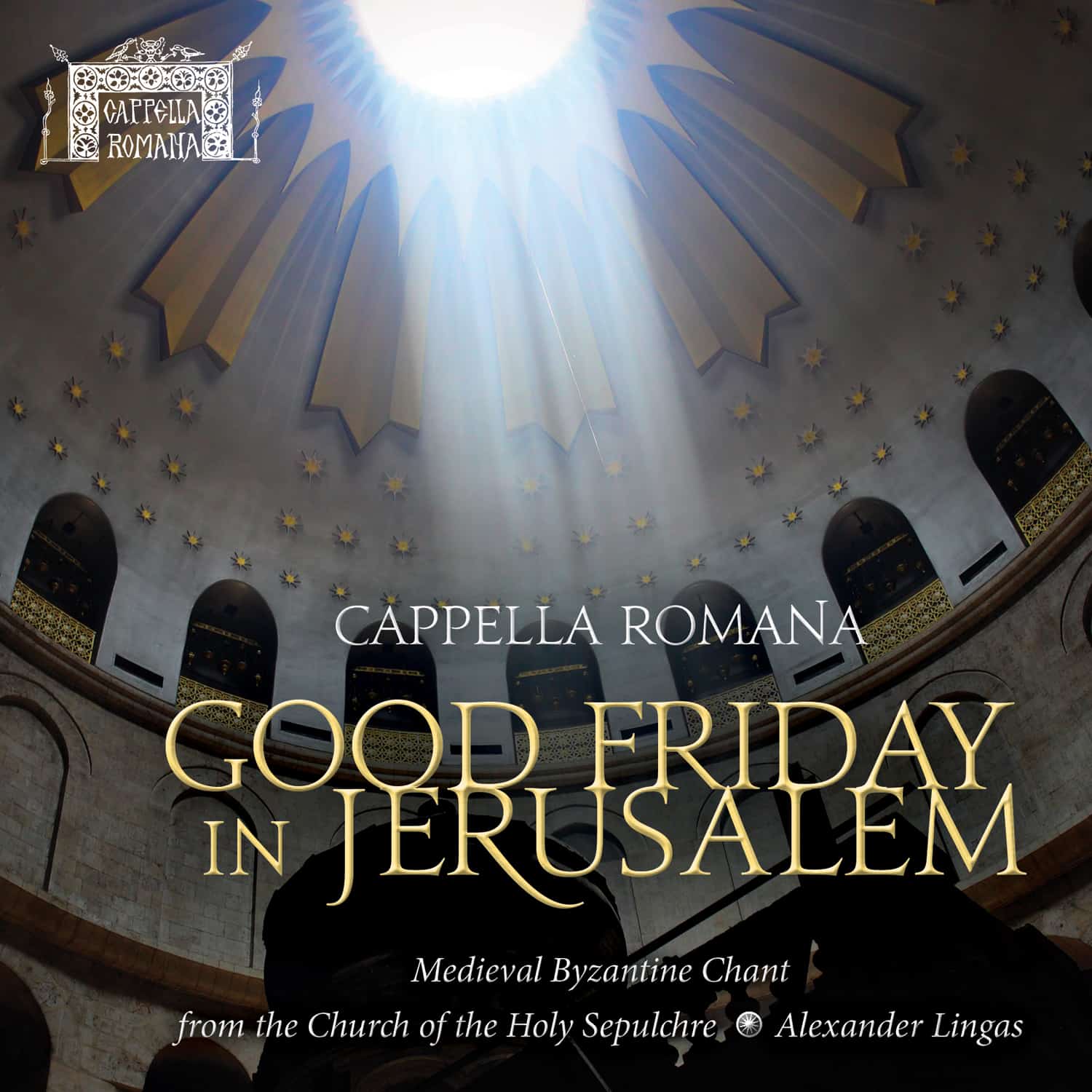
Good Friday In Jerusalem Now Available!
Good Friday In Jerusalem Now Available for Purchase and Download Purchase Direct from Cappella Romana Amazon.com Amazon UK iTunes ArkivMusic Stream [soundcloud url=”https://api.soundcloud.com/tracks/188154336″ params=”color=ff5500&auto_play=false&hide_related=false&show_comments=true&show_user=true&show_reposts=false” width=”100%” height=”166″ iframe=”true” /] [soundcloud url=”https://api.soundcloud.com/tracks/190282564″ params=”color=ff5500&auto_play=false&hide_related=false&show_comments=true&show_user=true&show_reposts=false” width=”100%” height=”166″ iframe=”true” /] Good Friday In Jerusalem: Medieval Byzantine Chant from the Church of the Holy Sepulchre Alexander Lingas, artistic director and soloist;
-
Congratulations Dr. Spyridon Antonopoulos
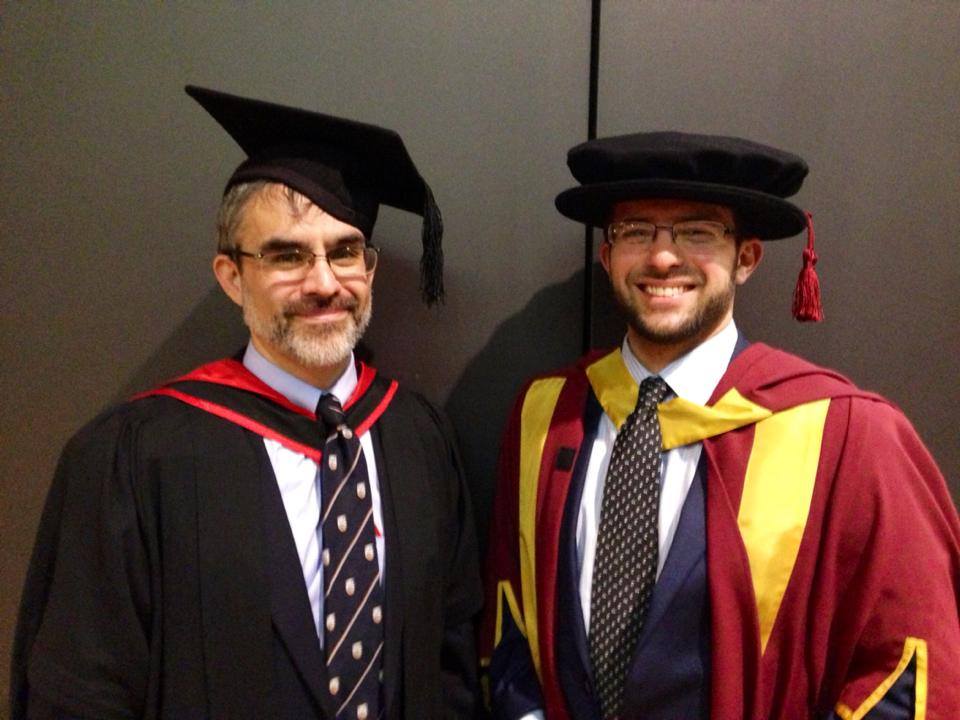
All of us at Cappella Romana wish to congratulate Dr. Spyridon Antonopoulos on his being awarded a PhD in Musicology at City University London today. He was advised (with a dissertation on the Byzantine composer and theorist Manuel Chrysaphes) by Cappella Romana’s founder and artistic director Dr. Alexander Lingas, who serves on the faculty at
-
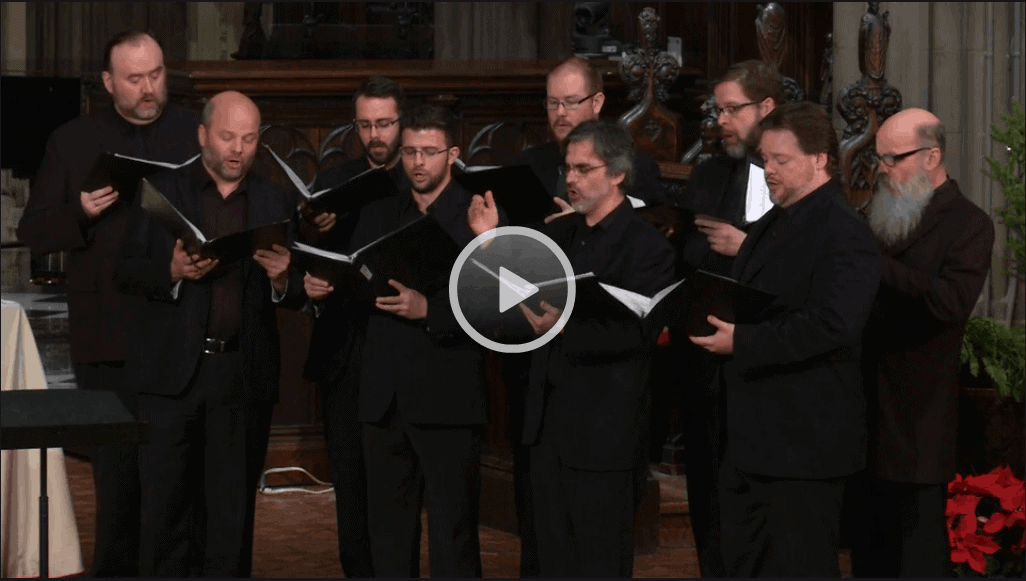
Watch Cappella Romana’s Twelfth Night Performance
Watch the full performance from the Twelfth Night Festival in New York City courtesy of Trinity Wall Street!
-
BBC Radio 4 Features Alexander Lingas
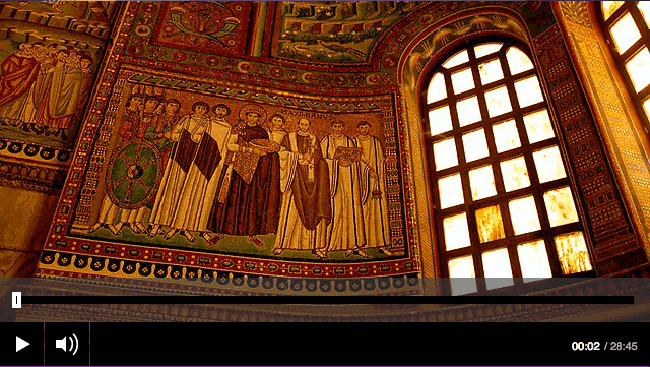
BBC Radio 4 interviews Cappella Romana artistic director Alexander Lingas in the second episode of the series, Byzantium Unearthed, and Cappella Romana can be heard in the opening of the first episode as well as throughout! Click below to listen to Episode Two; Alexander Lingas comes in around 15:00 mark:
-

Cappella Romana Thank You Notes
Cappella Romana Executive Director Mark Powell writes his Thanksgiving Thank You Notes: Join the #GivingTuesday movement by making a gift to Cappella Romana on or before December 2nd. Giving Tuesday, the Tuesday after Thanksgiving, is a global movement born in 2012 to shine a light on giving back. It’s a holiday designed to rival Black
-

Save the Date — #GivingTuesday
SAVE THE DATE! After Two Days of Shopping, #GivingTuesday is a day to give back December 2nd, the Tuesday after Thanksgiving, is Giving Tuesday. Giving Tuesday is a global movement born in 2012 to shine a light on giving back. Make a gift to Cappella Romana by December 2nd. It is a holiday designed to
-
Alexander Lingas: Music, Acoustics, and Ritual in Byzantium
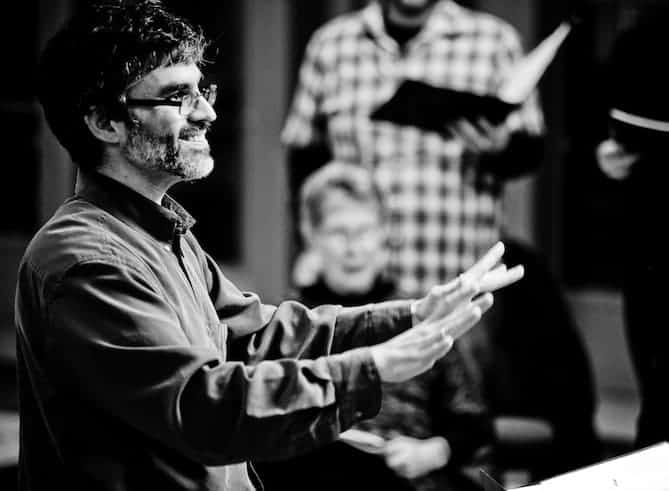
Enjoy the following video from an Alexander Lingas presentation in the Stanford Seminar Series “Aural Architecture” given in 2013: http://youtu.be/F_QzG6TpXZk
You must be logged in to post a comment.