-
Bissera Pentcheva Interview on Hagia Sophia in Kathimerini
Greek news outlet Kathimerini has published a new interview with Stanford University’s Bissera Pencheva who has worked with Cappella Romana as part of our Hagia Sophia project and recording. Read the interview in the original Greek at Kathimerini.gr and see the translation below: What distinguishes Hagia Sofia from other churches and monuments of the Christian
-

Out of the Ashes of Smyrna: The Jewell of Asia Minor
Since the 18th century, the city of Smyrna, on the western shores of Asia Minor, was the most important commercial port in the Eastern Mediterranean. Through the early 20th century, both raw materials for industrial textiles as well as agricultural products were exported from Smyrna to the West. The resulting economic prosperity brought diverse populations
-
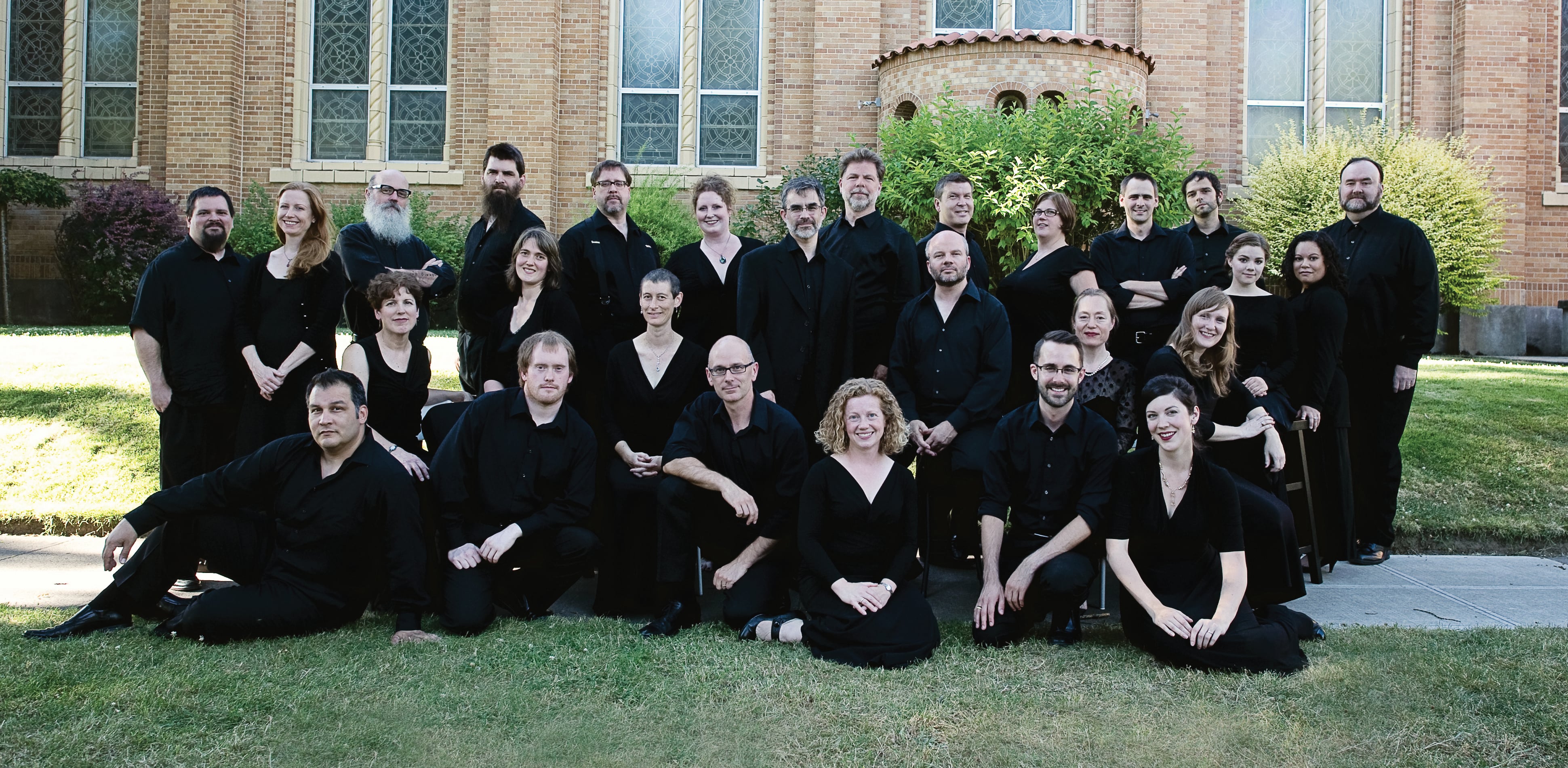
Mass Appeal – Living Traditions
Mass Appeal SEATTLE Fri 24 Oct 2O25, 7:3O PMSt. Mark’s CathedralCapitol Hill, Seattle PORTLAND Sun 26 Oct 2O25, 2:OO PMSt. Mary’s CathedralNorthwest Portland It was 2018 when David Hattner first proposed pairing Bruckner’s Mass in E minor with Stravinsky’s Mass in a project with Cappella Romana and Portland Youth Philharmonic, and I immediately recognized the
-
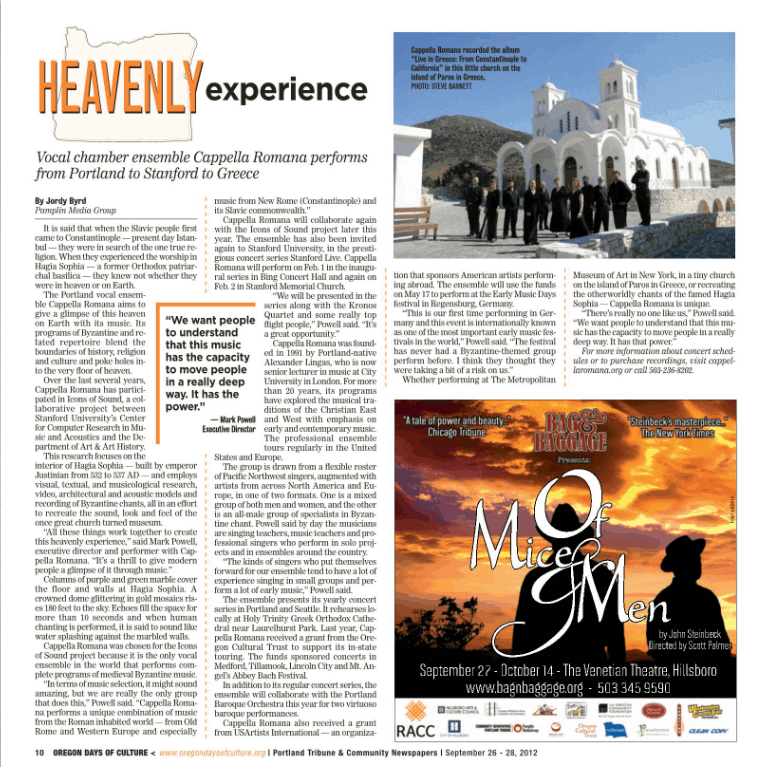
Oregon Days of Culture feature Cappella Romana Hagia Sophia Performance
Oregon Days of Culture and the Portland Tribune & Community Newspapers have a wonderful feature on the upcoming Stanford Residency concerts and the “Icons of Sound” project highlighting “The Sounds of Hagia Sophia.” Heavenly Experience: Vocal chamber ensemble Cappella Romana performs from Portland to Stanford to Greece “It is said that when the Slavic people
-
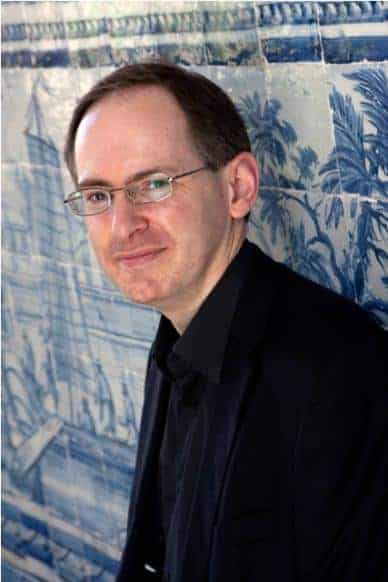
Tomas Luis de Victoria – Renaissance Easter in Spain and Portugal
Cappella Romana performs the polyphonic motets of Tomás Luis de Victoria in the April concert series Renaissance Easter in Spain and Portugal. Read a little background on this influential Spanish Renaissance composer: Owen Rees – guest conductor & author “Victoria was the greatest Spanish composer of the Renaissance, and also one of the finest European
-
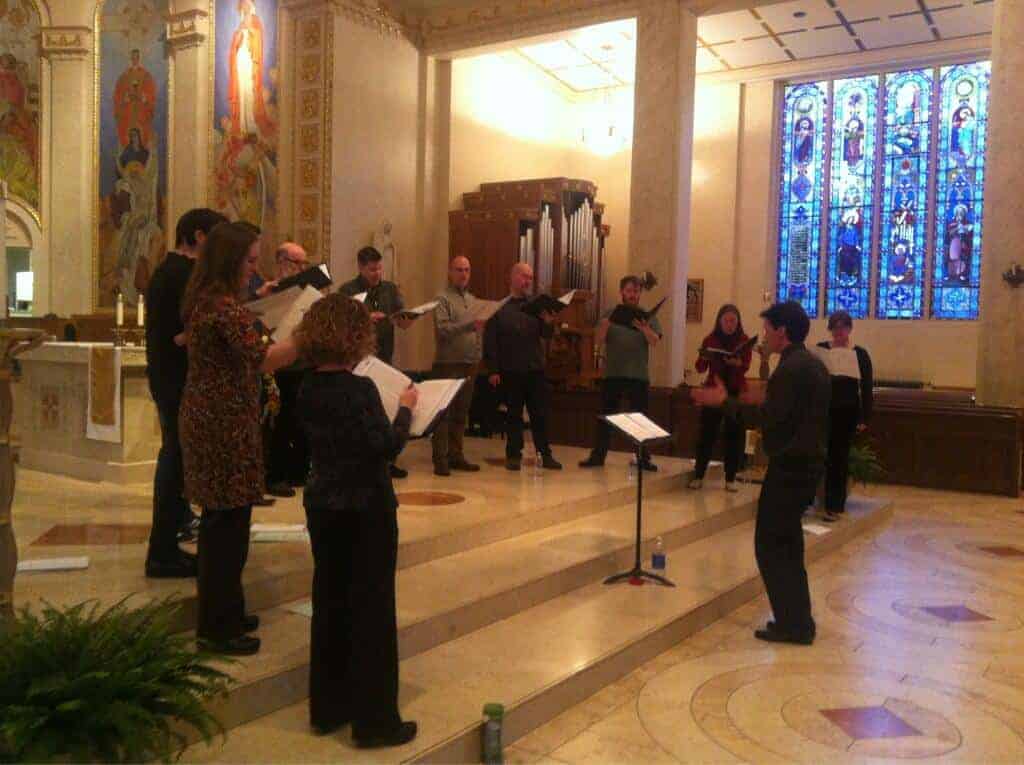
Cappella Romana Renaissance Easter in Spain and Portugal Program Notes
Renaissance Easter in Spain and Portugal Our programme presents music appropriate to Easter by some of the foremost composers of the Iberian ‘golden age’, during the later sixteenth and early seventeenth centuries. Francisco Guerrero spent almost his entire career in the service of Seville Cathedral, as a singer, assistant chapelmaster, and then chapelmaster. Seville Cathedral
-
Arctic Light: Orthodox Choral Music from Finland — Program Notes
Arctic Light Orthodox Choral Music from Finland The history of Orthodox Christianity in Finland goes back to the 12th century when trade was initiated between Carelia and traders from Novgorod. The early establishment of monasteries in Karelia, especially Valamo (Valaam) and Konevitsa on the islands of Lake Ladoga, and later, at Petsamo (Pechenga, on the
-
Ivan Moody Talks Arctic Light with Fanfare
Ivan Moody talks about Cappella Romana’s latest release, Arctic Light with Fanfare Magazine‘s James Altena. Read a couple of the questions below and find the full interview on the Fanfare website Fanfare: How did your particular association with the Cappella Romana come about, and what led to the recording of your Arctic Light CD with
-
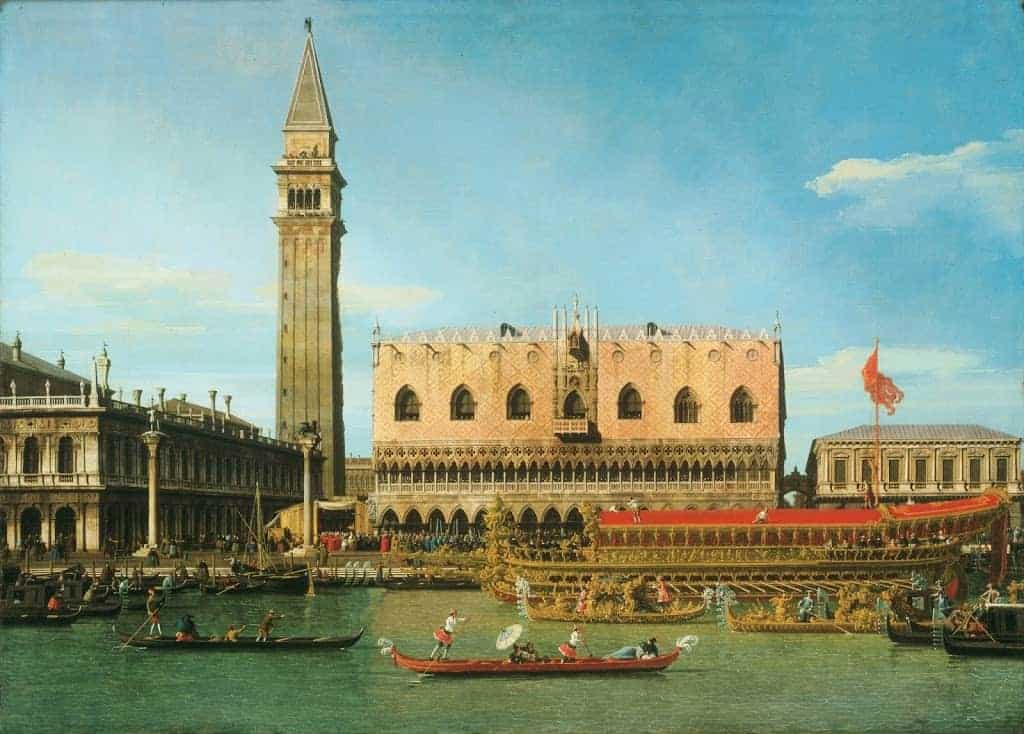
Keeping Up with the Venetians — Part One
Keeping Up with the Venetians Program Notes for Venetian Baroque: Galuppi + Vivaldi + Bortniansky The islands in the Venetian lagoon, which by the 8th century had banded together to ally themselves with the Empire of the Romans governed from Constantinople (Byzantium), quickly became one of the inhabited world’s great centers of power and wealth.
-
Fanfare Magazine Reviews Benedict Sheehan’s Liturgy of Saint John Chrysostom
Alongside a must-read interview with Benedict Sheehan, Fanfare Magazine’s March/April 2021 Issue features THREE reviews of his Divine Liturgy of Saint John Chrysostom recording with the St. Tikhon Choir on Cappella Records: James A. Altena: “I own a goodly number of settings of the Liturgy by various composers—Chesnokov, Grechaninov, Ippolitov-Ivanov, Kastalsky, Rachmaninoff, Shvedov, Stoyanov, and
-
St. Tikhon Choir Gives a “Stunning Debut”
Cinemusical gives stars across the board to the Saint Tikhon Choir’s recording of Benedict Sheehan’s Liturgy of St. John Chrysostom on Cappella Records: “The work is a blend of liturgical components (litanies, various antiphons and hymns, an “Our Father”, communion, blessing) and psalm settings (Sheehan adapted Psalms 145 and 148). There are references to ancient

You must be logged in to post a comment.