-
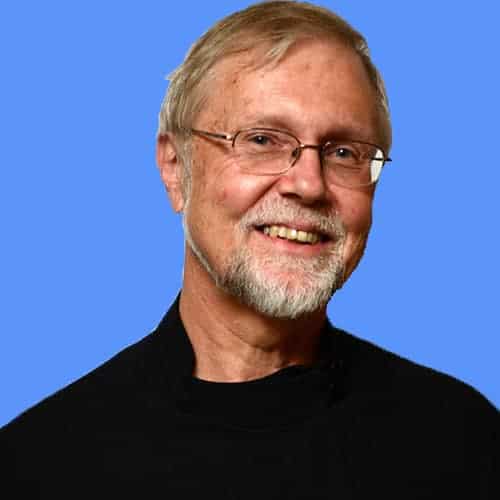
Meet Vladimir Morosan
Meet our Passion Week, pre-concert lecturer, Vladimir Morosan courtesy of the Orthodox Arts Journal: Dr. Vladimir Morosan, Founder and President of Musica Russica, is one of the leading experts outside Russia in the fields of Russian choral music and Orthodox liturgical music. After completing his undergraduate degree in music at Occidental College, in Los Angeles,
-
Alexander Lingas talks about Passion Week on OPB’s State of Wonder
Alexander Lingas gave an interview with April Baer of Oregon Public Broadcasting’s State of Wonder show about the re-discovery of Maximilian Steinberg’s Passion Week Cycle, Op. 13. Listen here to the story of how Dr. Lingas rediscovered and is now premiering the work with Cappella Romana. Read it Here! Passion Week Portland 8:30pm, Fri., Apr.
-
OregonLive Review: Re-creation of 12th century vespers service is a milestone
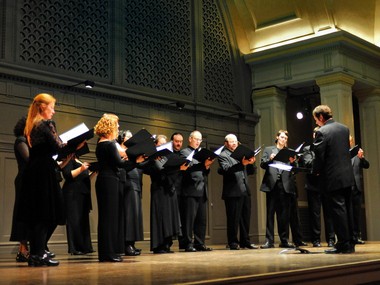
By James McQuillen, Special to The Oregonian on November 17, 2012 at 2:05 PM, updated November 17, 2012 at 2:10 PM The sound of medieval chant prevalent in the modern imagination — limpid and ethereal, with barely a suggestion of rhythm or of the physical presence of the people who sing it — is a
-
With Anonymous 4, Concord Ensemble at Pepperdine University in Malibu
Cappella Romana has been invited to perform as one of three headliner groups in the festival “The Ascending Voice” this June at Pepperdine University, an international symposium of sacred a cappella music. Representing the Orthodox a cappella tradition in Byzantine chant, Cappella Romana will be featured alongside Concord Ensemble (singing Latin polyphony) and Anonymous 4
-
Cappella Romana in good company
David Stabler, classical music critic for the Oregonian, mentioned Cappella Romana’s concert in November 2007 as one of the highlights of the season, alongside a concert by the David York Ensemble, Trio Mediaeval, and last night’s concert of the Tallis Scholars. Read more “I can’t remember a fall season of such extraordinary choral concerts, from
-
Cappella Romana Remembers September 11 – Lament for the Fall of Constantinople
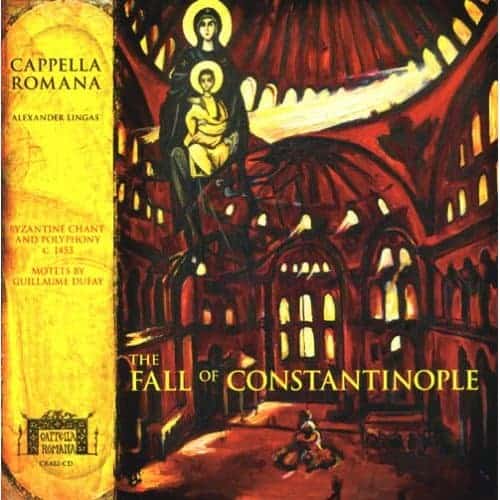
Cappella Romana remembers September 11th From the Seattle Post-Intelligncer in January 2002: Alexander Lingas, founder and music director of Cappella Romana, has a keen ear for music and its historical and cultural context. Over the past decade, that kind of approach has taken the small vocal ensemble, and its growing audience, over many centuries and
-
Coming Soon – Santiago De Compostela
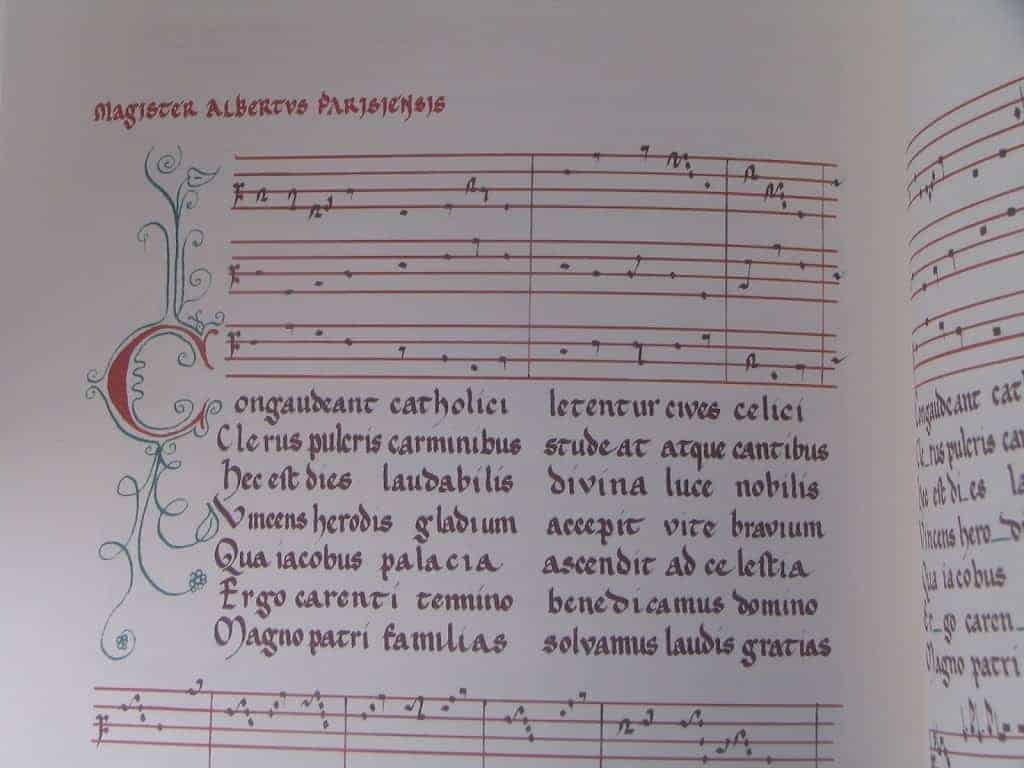
We’re only a month away from the start of the 2012-2013 Season as Marcel Pérès makes his Northwest and Cappella Romana debut directing an all-male chant ensemble in a program of medieval latin hymnody for St. James, sung directly from facsimilies of the Codex Calixtinus. This is the medieval manuscript that was only recently recovered
-
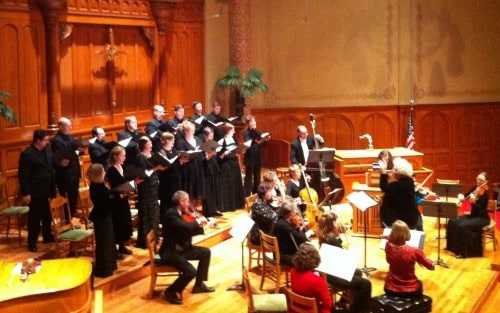
Oregon Arts Watch Reviews Choral Glory
Photo courtesy of Oregon ArtsWatch Oregon ArtsWatch with a review of our recent collaboration with the Portland Baroque Orchestra — Choral Glory! “It didn’t take long for this new Oregon classical music season to produce the first truly great performance I’ve heard this fall. Friday night’s concert featuring the superb Portland choir Cappella Romana and
-
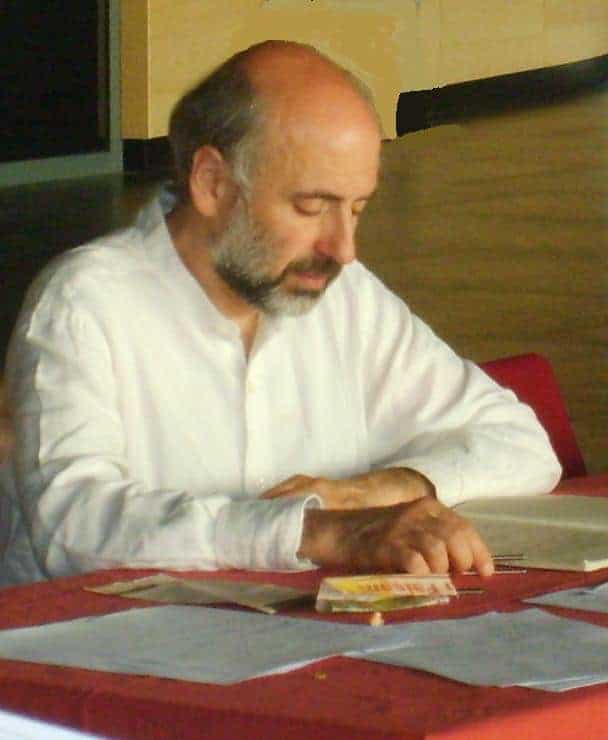
About Ensemble Organum
We are very excited about our upcoming concert featuring Marcel Pérès, so we wanted to share a little about his own ensemble — Ensemble Organum! The Organum Ensemble was founded in 1982 by Marcel Pérès at Sénanque Abbay (France) and has been supported since 1984 by the Fondation Royaumont. The Ensemble develops programmes which combine
-
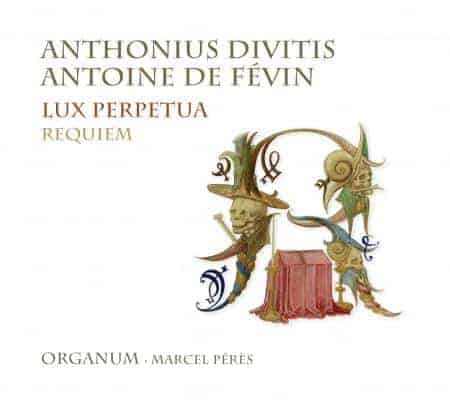
More on Ensemble Organum and Marcel Peres
About Ensemble Organum’s last record: Requiem of Divitis (16th century) For thirty years now, the vocal ensemble Organum has slowly but surely, far from the eye of the public at large, pieced together a veritable history of the singing of sacred music. With this new disc, Organum adds yet another layer to the knowledge of
-
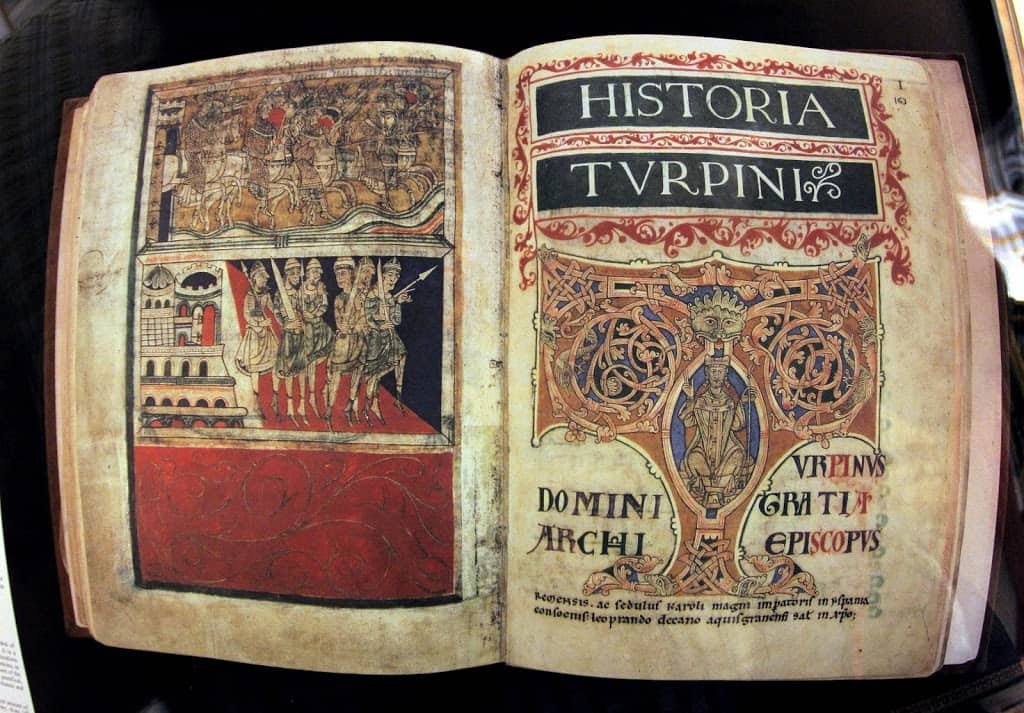
A little about the Codex Calixtinus
A little about the Codex Calixtinus: The Codex Calixtinus is an illuminated manuscript compiled by French scholar Aymeric Picaud between 1135 and 1139. The Codex has been held in the archives of the Cathedral of Santiago de Compostela since 1150, and was intended as an anthology for pilgrims following the “Way of St. James” to

You must be logged in to post a comment.