-
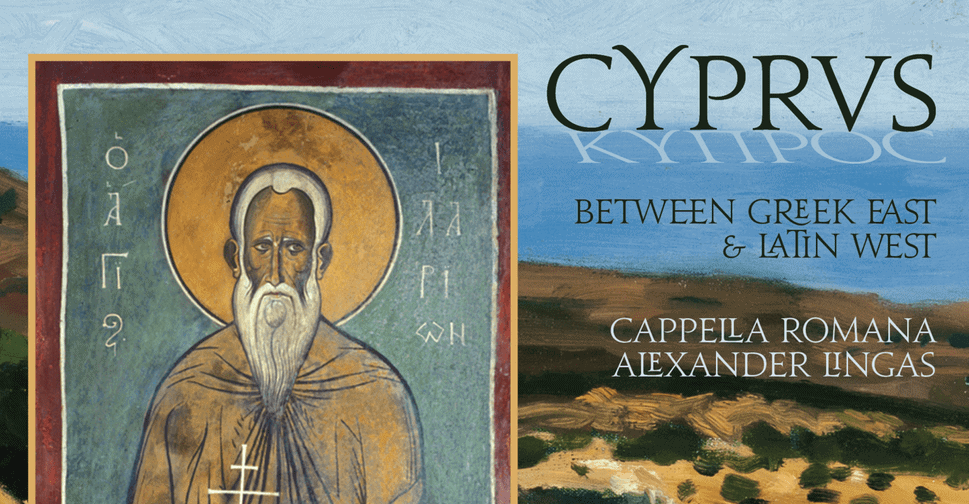
Medieval Cyprus Between East and West
Located at a strategic point in the Eastern Mediterranean close to the coasts of Asia Minor (modern Turkey) and the Middle East, the island of Cyprus has been a site of commercial and cultural interchange since the dawn of civilization. Christianity came to the island with the apostles Paul and Barnabas, the latter of whom
-
Choir & Organ Magazine Reviews Good Friday in Jerusalem
Choir & Organ Magazine gives five stars to our Good Friday In Jerusalem recording in their May/June Issue: “This ‘premiere in modern times’, revivified through extensive research, is true tingle-factor stuff: an austere, inexorable, mesmerising Crucifixion liturgy told in the 8th-and-9th-century Byzantine chant that once resounded within Jerusalem’s Church of the Holy Sepulchre, leading the
-
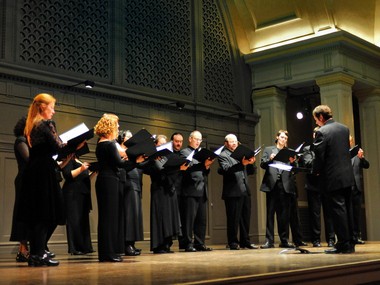
OregonLive Review: Re-creation of 12th century vespers service is a milestone
By James McQuillen, Special to The Oregonian on November 17, 2012 at 2:05 PM, updated November 17, 2012 at 2:10 PM The sound of medieval chant prevalent in the modern imagination — limpid and ethereal, with barely a suggestion of rhythm or of the physical presence of the people who sing it — is a
-
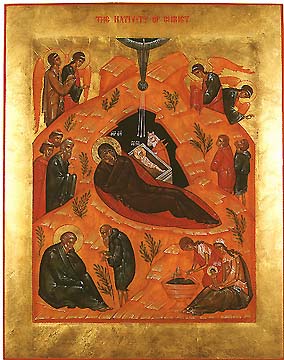
Christmas in the Summer: Preparing for Toensing’s Kontakion
In 2006 Cappella Romana was approached by the composer Richard Toensing to record a set of his Christmas carols and a new major work for double choir and soloists, The Kontakion of the Nativity of Christ, with a translation based on the English text by Fr. Ephrem Lash. Last night (24 July 2007) was the
-
Toensing Kontakion preview in the Seattle PI
Full text of the article Toensing’s ‘Kontakion’ gets local debut By R.M. CAMPBELLP-I MUSIC CRITIC From its first days in the early 1990s, Cappella Romana has cut a long, deep swath through music: from the Byzantine empire that ended in 1453 and its Slavic descendants to the modern world. There are other vocal groups in
-
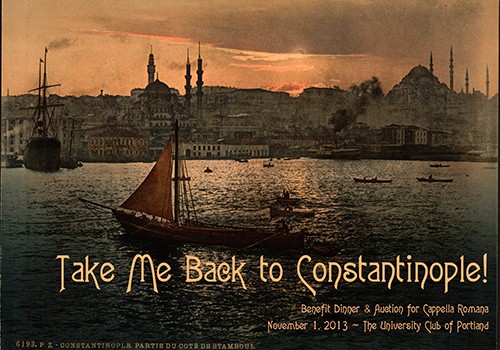
Take Me back to Constantinople!
Take Me Back to Constantinople — Benefit Dinner & Auction The University Club of Portland — November 1 Presenting Dr. Achilleas Chaldaiakis from Athens performing Constantinopolitan Songs from the Dawn of the Modern Age! Request Your Invitation Today! The University Club of Portland1225 SW 6th Avenue at JeffersonCocktail Attire
-
Dr. Achilleas Chaldaiakis Sings “The only son, Constantis”
Get a “taste” of Dr. Achilleas Chaldaiakis performing Constantinopolitan works in the folks song The only son, Constantins below from a reception at The International Society for Orthodox Church Music Conference in Finland: Dr. Achilleas Chaldaiakis will be performing many of these Constantinopolitan Songs from the Dawn of the Modern Age during our Take Me
-
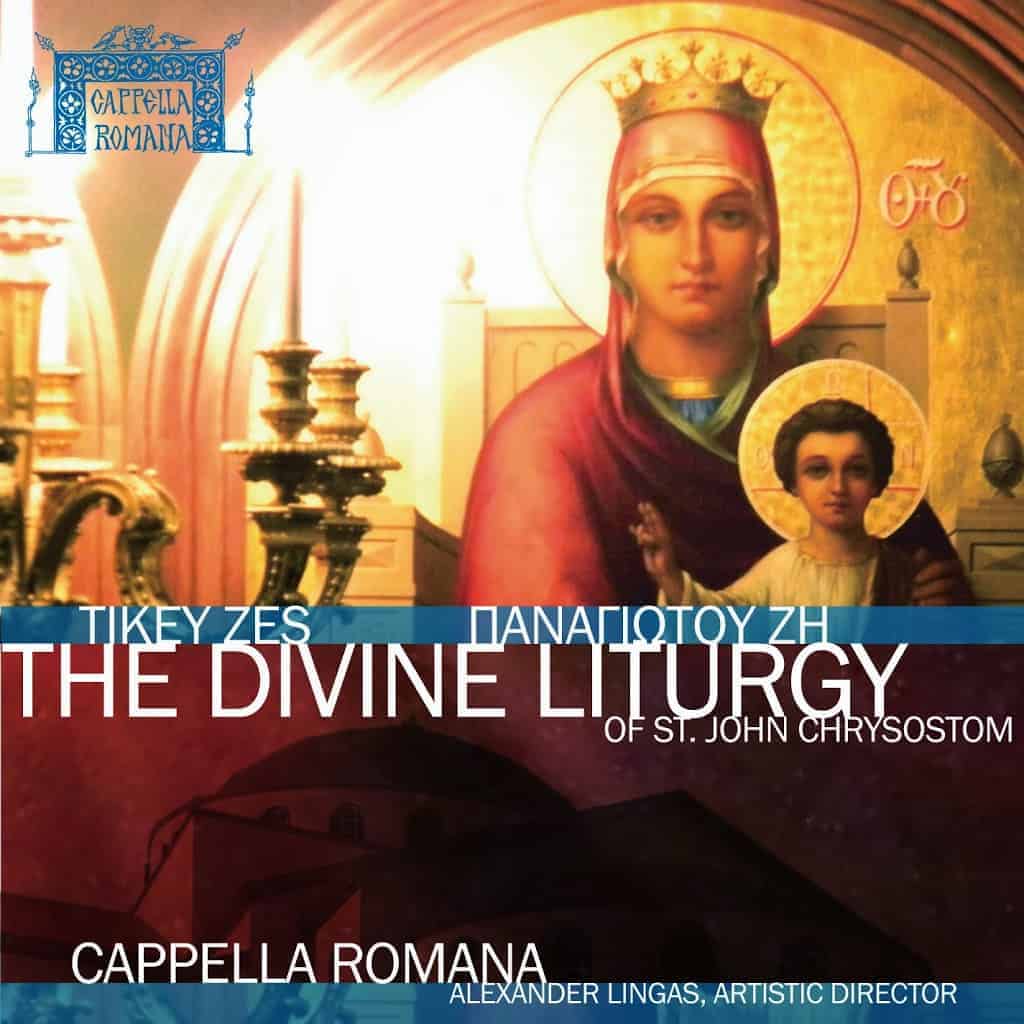
The Divine Liturgy of St. John Chrysostom
The Divine Liturgy bearing the name of St. John Chrysostom (d. 407) is the form of the Eucharist celebrated most frequently in the modern Byzantine rite. Like the communion services of most other Christian traditions, it features two large sections: a service of the Word that climaxes with readings from the New Testament and concludes
-
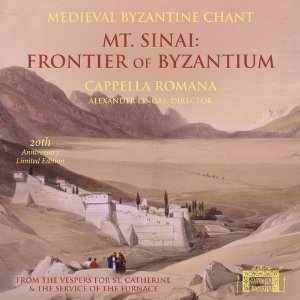
Fanfare Magazine reviews Mt. Sinai: Frontier of Byzantium and Live in Greece!
A double-feature Fanfare review by J.F. Weber features our LIVE IN GREECE and Mt. Sinai: Frontier of Byzantium recordings. Mt. Sinai: Frontier of Byzantium “The chants for these two services come from a variety of sources in or close to the 14th century, including works by such well-known composers as John Koukouzeles and Manuel Chrysaphes.
-
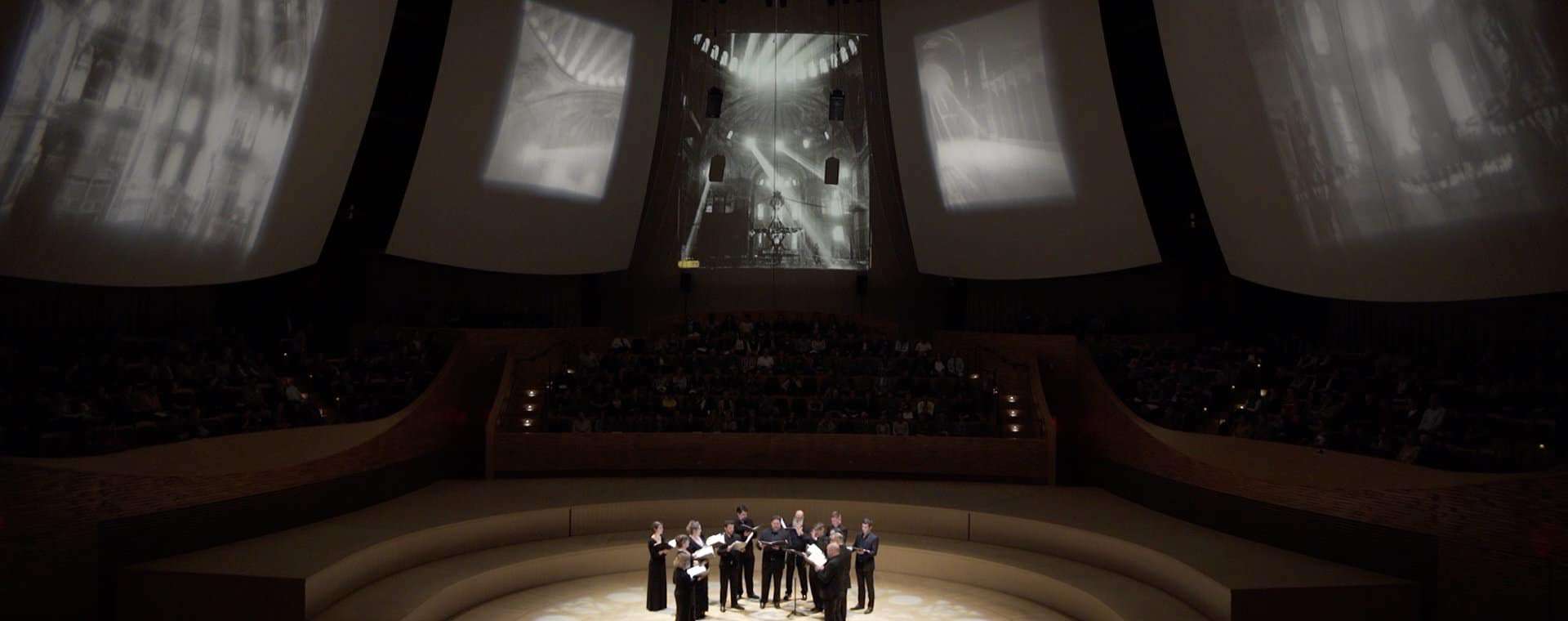
Early Music America Reviews Lost Voices of Hagia Sophia
Karen Cook reviews our Lost Voices of Hagia Sophia recording for Early Music America: “Thanks to the wonders of modern technology and painstaking work of two college professors, however, it is possible to imagine what a medieval Byzantine service might have sounded like. … The prolonged phrases flow over each other in layers and waves,
-
Kastalsky Requiem: Program Notes
Vasily Polikarpovich Titov (c.1650–c.1715) – Cherubic Hymn; Megalynarion Vasily Titov was one of two leading composers of Russian Baroque music, the other being Nikolai Diletsky (c. 1630–80). Titov’s life and work mark the mid-point of the process of Russia’s musical Westernization, which gained new momentum during the reign of Tsar Peter the Great (1689 –1725).
-
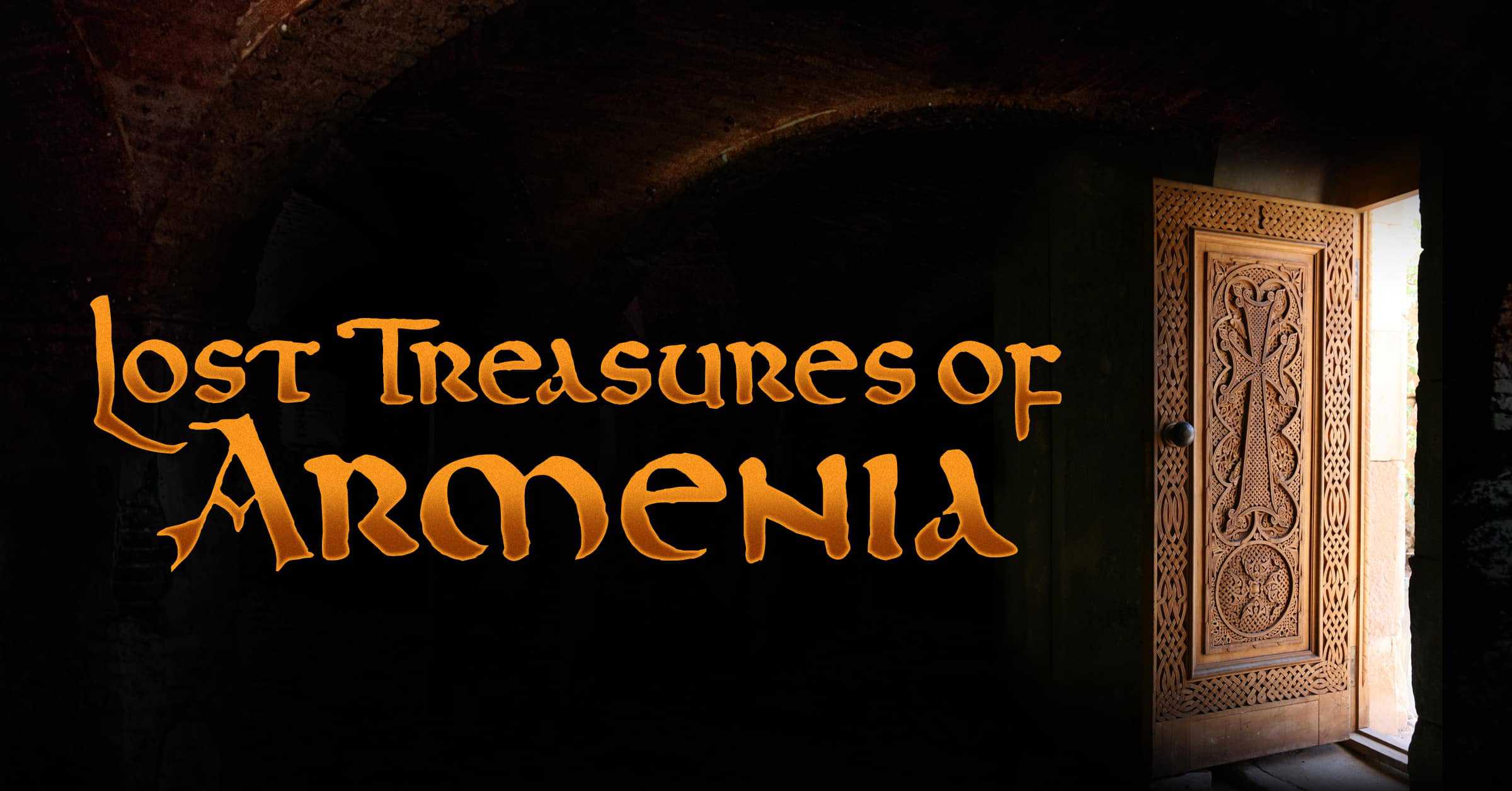
Lost Treasures of Armenia
The Holy Armenian Apostolic Orthodox Church continues to embody a living tradition of primarily monodic vocal music of exceptional richness and beauty. Though its hymnography is traditionally believed to have commenced with the invention of the Armenian alphabet in the fifth century, and the Hymnal as a canonical collection was definitively closed in the fourteenth

You must be logged in to post a comment.