-
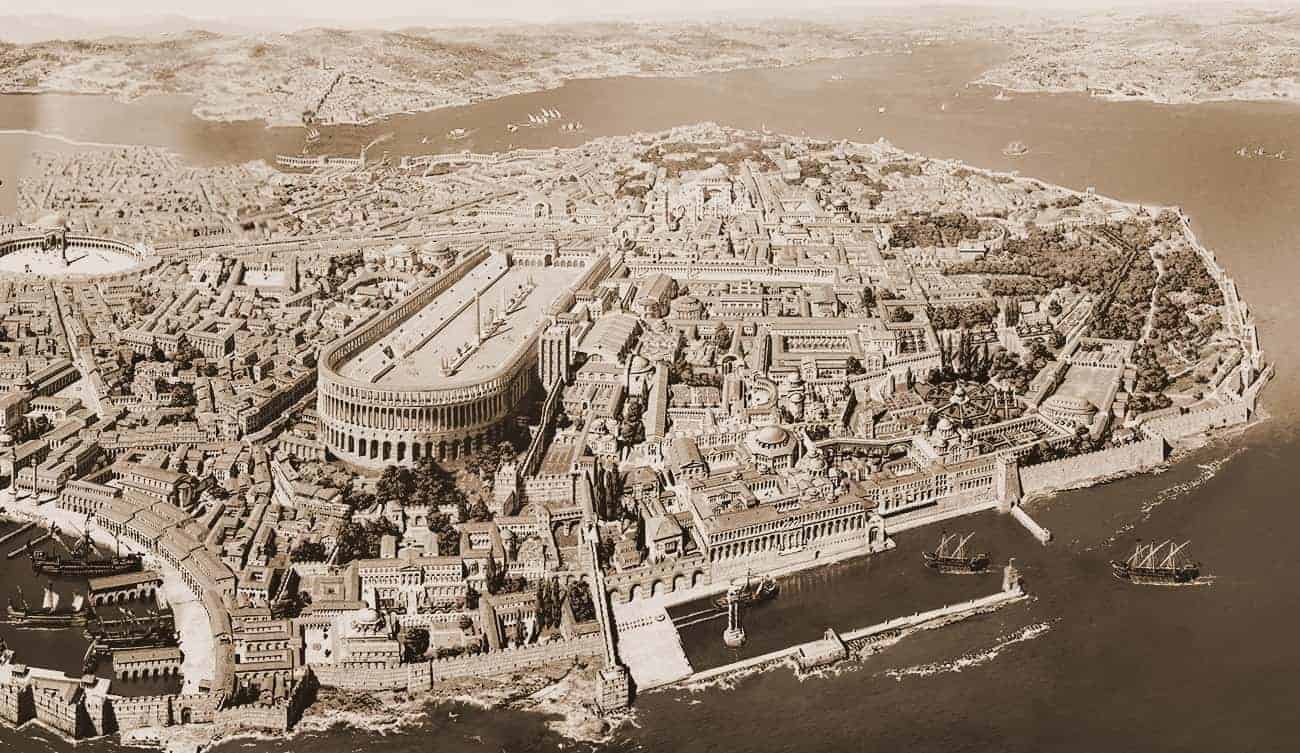
The Fall of Constantinople — Program Notes
Greeks and Latins had lived uneasily together in the Eastern Mediterranean ever since the sack and occupation of Constantinople (1204–61) by crusader knights. During the 14th and 15th centuries, however, the shrunken Byzantine Empire and the remaining Western colonies were often forced to cooperate in desperate attempts to defend themselves against the Ottoman Turks. This
-
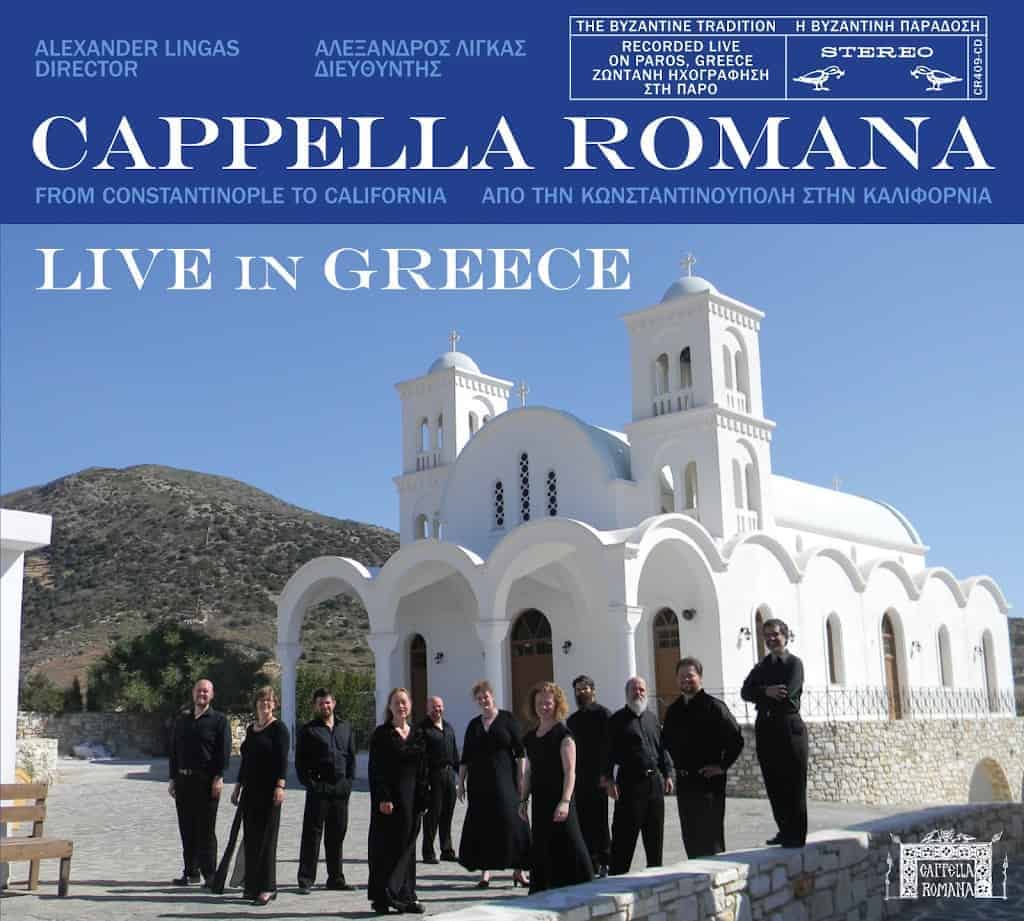
LIVE IN GREECE: From Constantinople to California – Part Five
As we approach the release of LIVE IN GREECE: From Constantinople to California, we’ll be sharing some excerpts from the liner notes to give you a bit of background into the programming of this recording. Part One Part Two Part Three Part Four Younger Byzantine Contemporaries Two younger contemporaries of Frank Desby who were strongly
-
Rachmaninoff: The Divine Liturgy of St. John Chrysostom
NEW: previews of this weekend’s concerts:Crosscut by Thomas May“the group’s brand of meditative sacred music from the Orthodox tradition is just what the doctor ordered.” The Sun Break by Michael van Baker “their performances of last season’s Vespers (also by Rachmaninoff) sold out, so you may want tickets in advance.” Before the Rachmaninoff Divine Liturgy concerts this
-
The Divine Liturgy Of St. John Chrysostom — Liner Notes Part Three
A Second Generation of Greek American Church Musicians After the Second World War a second generation of Greek American church musicians emerged, some of whom had received training in Western art music at American universities. The composers among them soon began to recast the legacy of Sakellarides by rescoring his harmonized works idiomatically for mixed
-
Keeping Up with the Venetians — Part Two
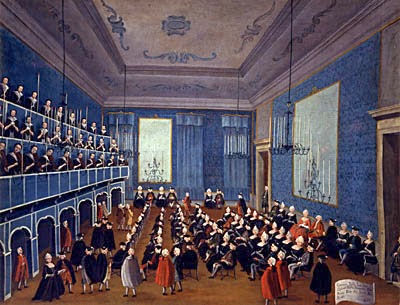
Keeping Up With The Venetians Continued from Part One Program Notes for Venetian Baroque: Galuppi + Vivaldi + Bortniansky Galuppi further exceeded his contractual duties by teaching composition to some of the Cappella singers. One such singer was the Ukrainian Dmitro (or more commonly Dmitry) Bortniansky. When Galuppi left St. Petersburg in 1769, he took
-
San Francisco Classical Voice Features A Byzantine Emperor
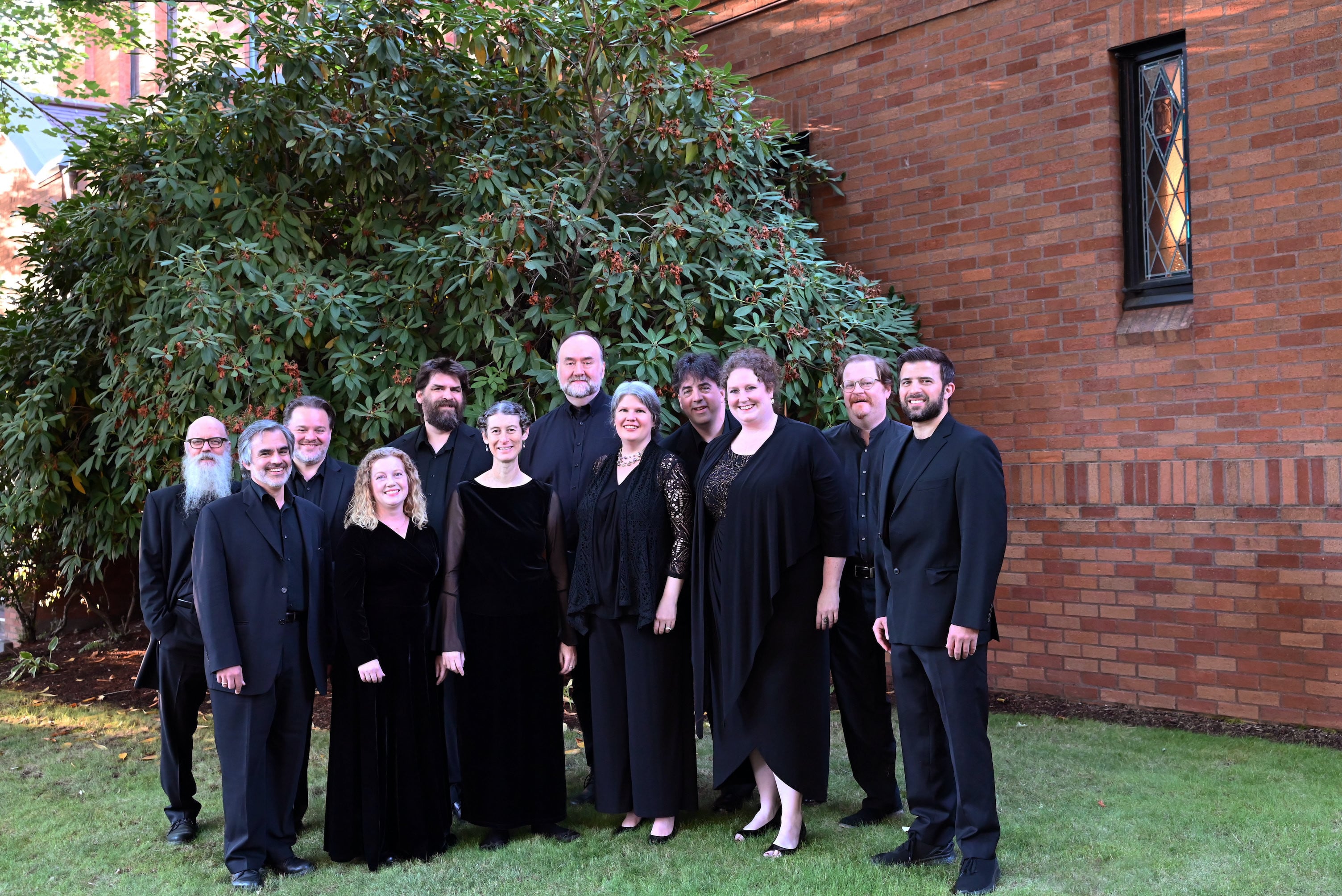
Emily Wilson interviews Alexander Lingas, Mark Powell, Kerry McCarthy, and more in a wonderful new feature on A Byzantine Emperor at King Henry’s Court on San Francisco Classical Voice! Some 20 years ago when reading a biography of Manuel II Palaiologos, Alexander Lingas learned about the Byzantine emperor’s trip to the court of King Henry IV looking
-
LIVE IN GREECE: From Constantinople to California – Part Three
As we approach the release of LIVE IN GREECE: From Constantinople to California, we’ll be sharing some excerpts from the liner notes to give you a bit of background into the programming of this recording. Part One Part Two II – Modern Choral Settings of Byzantine Chant Under Venetian and later British rule the Ionian
-
Lost Treasures of Armenia
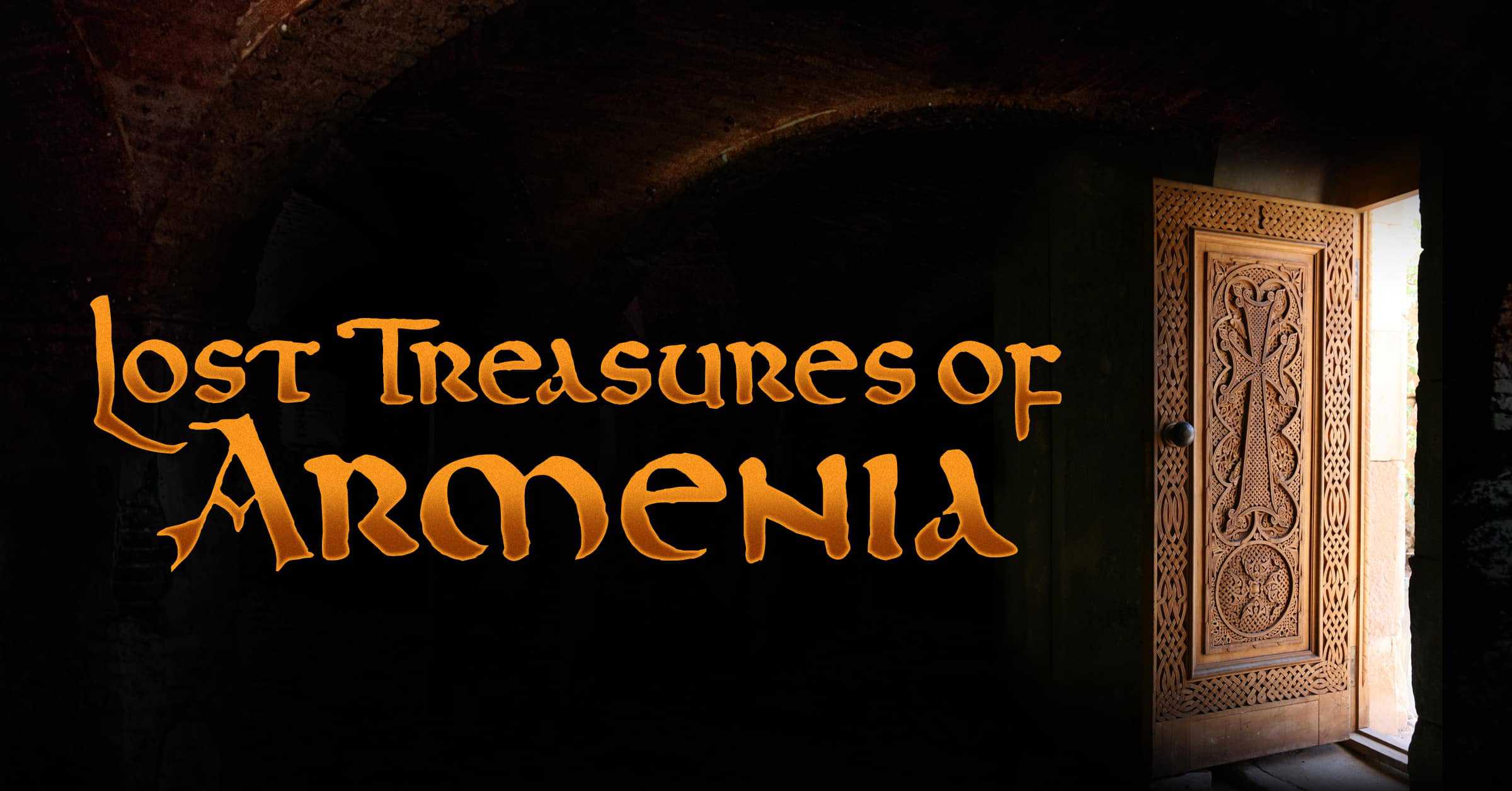
The Holy Armenian Apostolic Orthodox Church continues to embody a living tradition of primarily monodic vocal music of exceptional richness and beauty. Though its hymnography is traditionally believed to have commenced with the invention of the Armenian alphabet in the fifth century, and the Hymnal as a canonical collection was definitively closed in the fourteenth
-
Nico Muhly Talks about Setting Text to Music
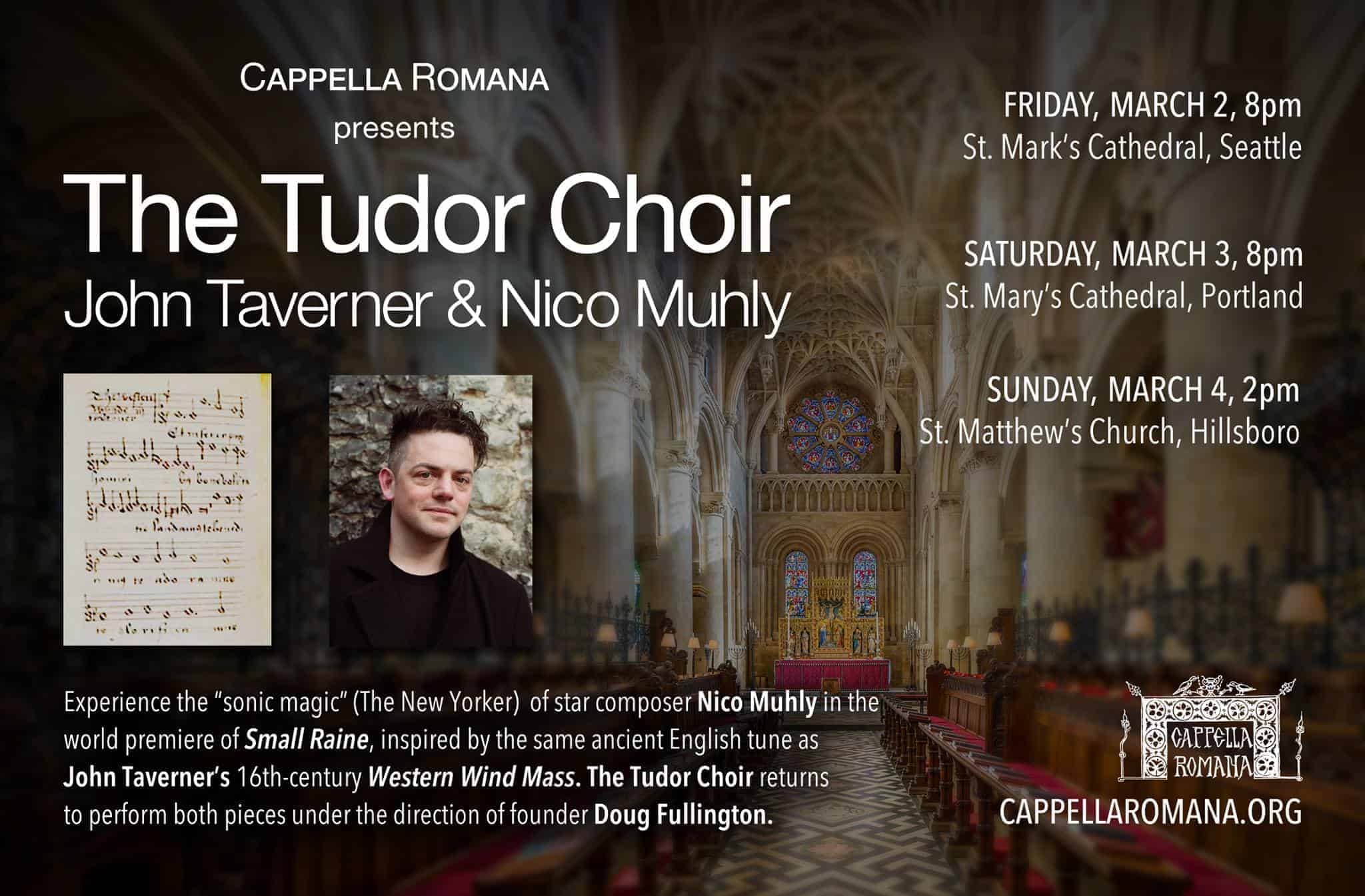
March 2-4, The Tudor Choir will perform the world premiere of Nico Muhly’s Small Raine, inspired by the same English tune as John Tavener used in his 16th-century Western Wind Mass. After watching the video, explore the text of Small Raine and get your CR Presents: The Tudor Choir tickets today! Small Raine Westron wynde,
-
Byzantine Christmas: Sun of Justice – Taking the Journey
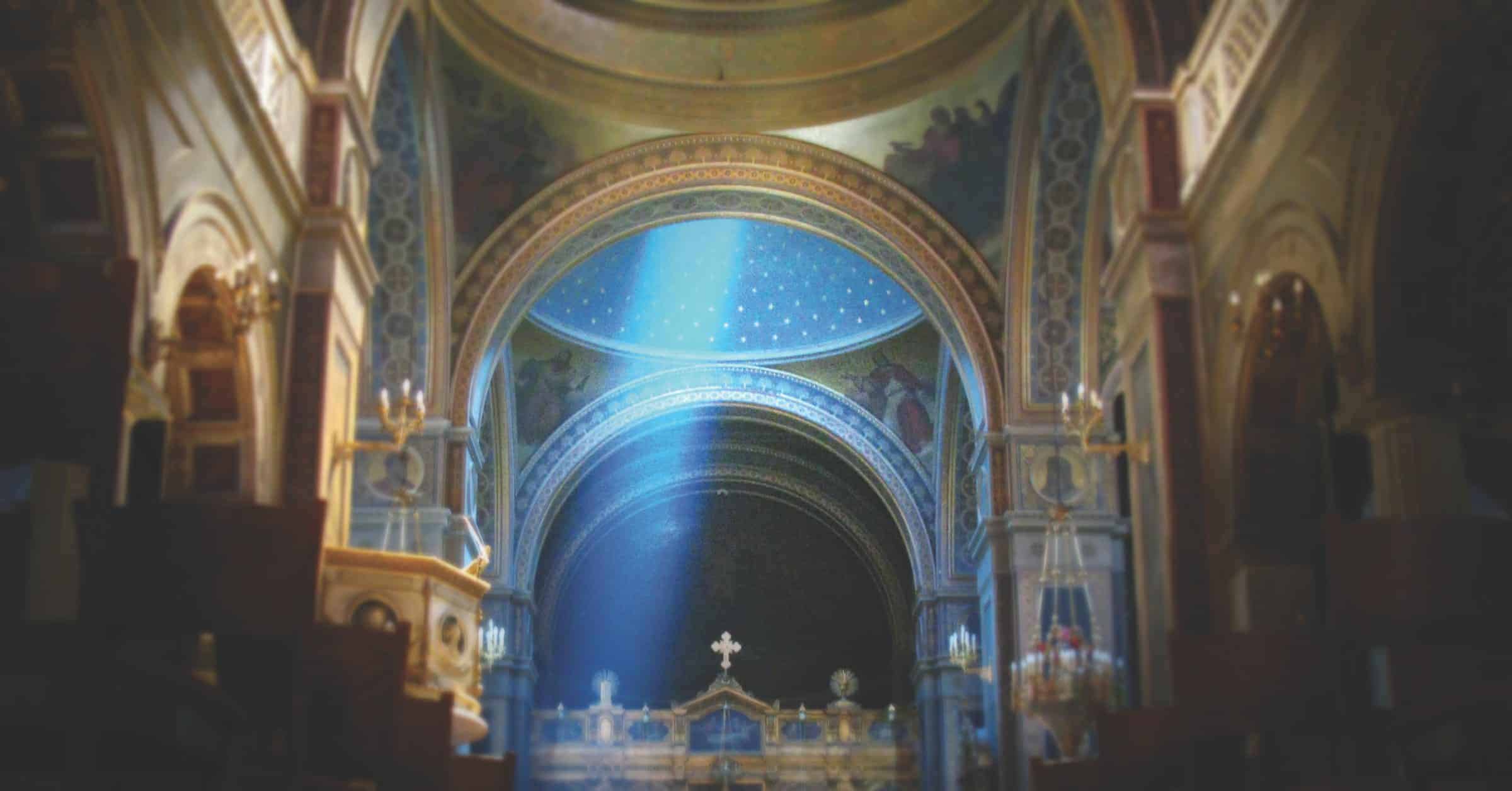
The ecclesiastical feast day celebrating the Nativity of Jesus Christ – which came to be called simply “Christ’s Mass,” or “Christmas” in English – was added to the calendar in the Eastern Church somewhat later than other major feasts. Originally, Christ’s Nativity and Baptism were celebrated on the same day: Epiphany (January 6). Much has
-

Dr. Tikey Zes
October 10, 1927 – May 7, 2025 All of us at Cappella Romana mourn the recent passing of Tikey Zes, the most prolific composer of Greek Orthodox choral music in America. Tikey’s connection to Cappella Romana reaches back even before our founding. He was an early mentor to our founder and music director, Alexander Lingas,
-
Out of the Ashes of Smyrna: The Jewell of Asia Minor
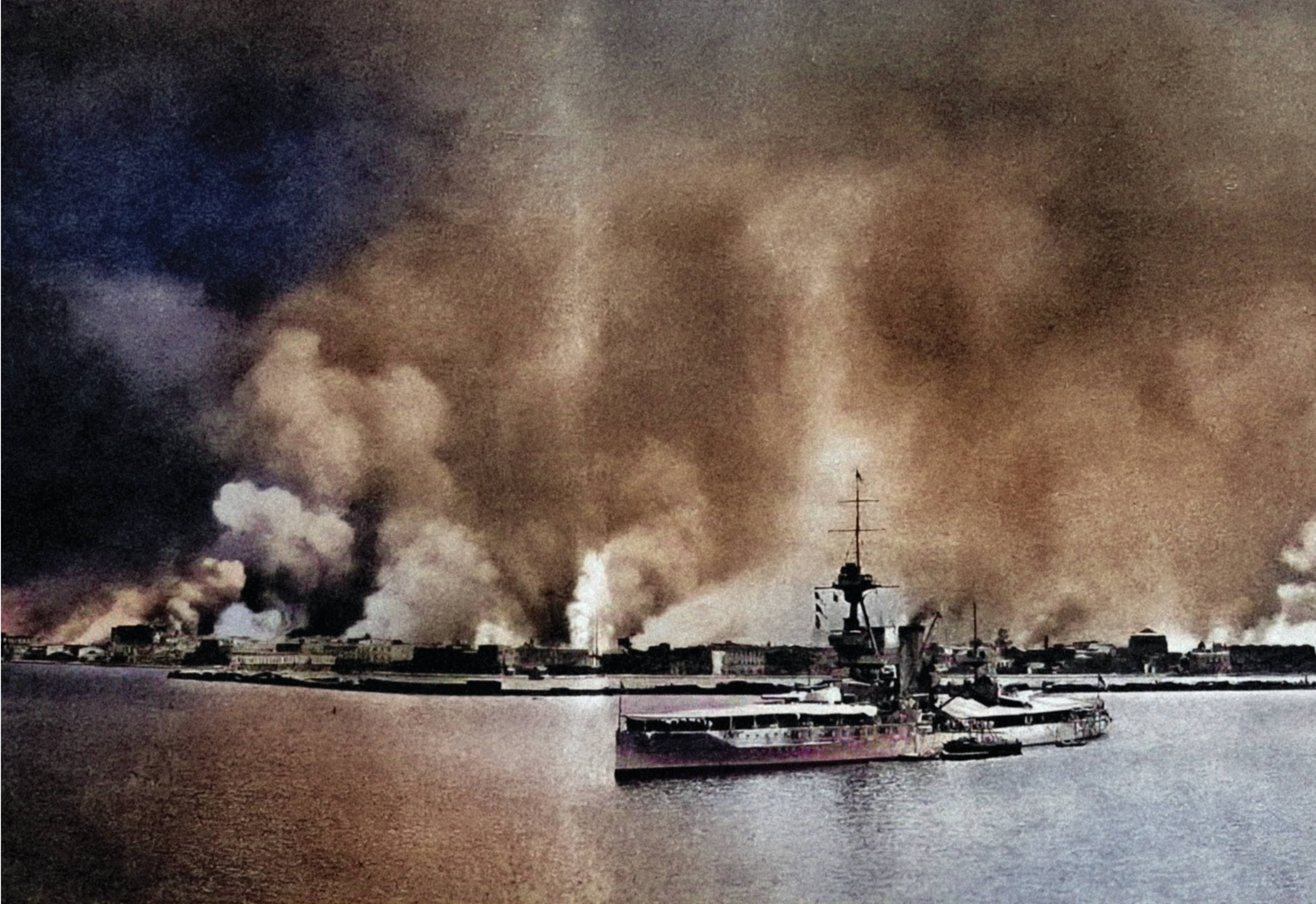
Since the 18th century, the city of Smyrna, on the western shores of Asia Minor, was the most important commercial port in the Eastern Mediterranean. Through the early 20th century, both raw materials for industrial textiles as well as agricultural products were exported from Smyrna to the West. The resulting economic prosperity brought diverse populations

You must be logged in to post a comment.