-
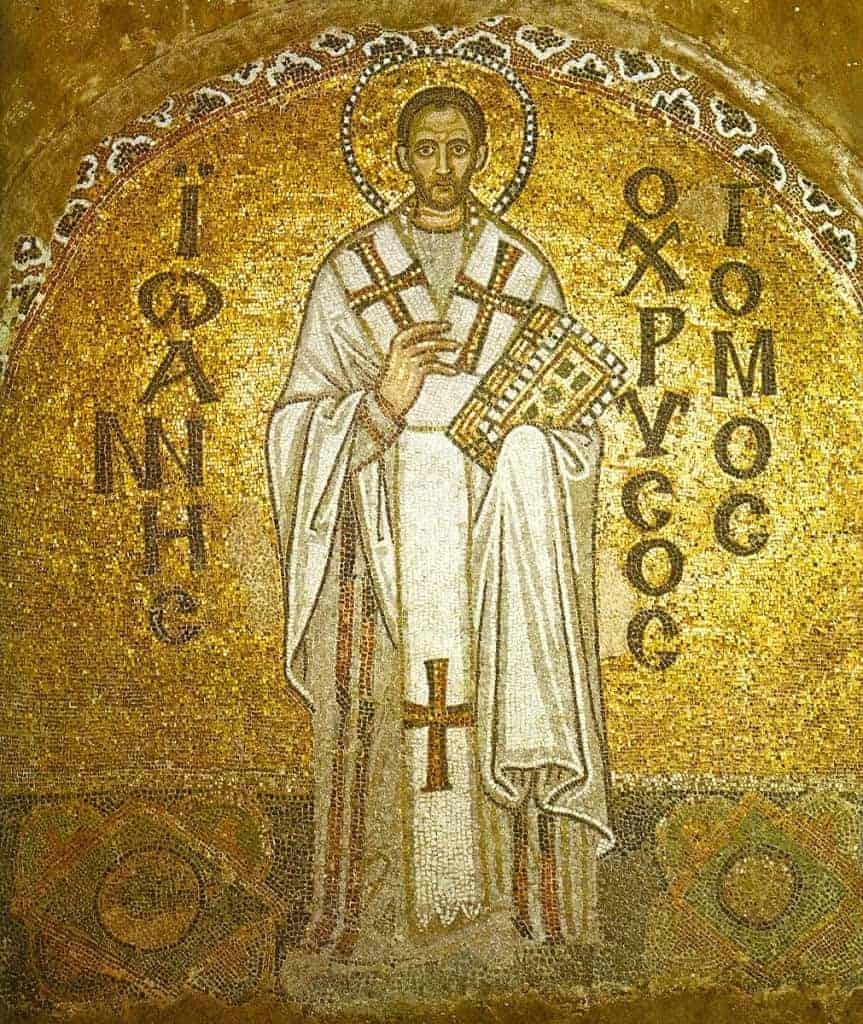
Ivan Moody on the Rachmaninoff Divine Liturgy of St. John Chrysostom
Following three sold-out performances last season of Rachmaninoff’s All-Night Vigil (“Vespers”), this year Cappella Romana presents Rachmaninoff’s earlier sacred masterpiece, the Divine Liturgy of St. John Chrysostom (1910). Composer (and friend of Cappella Romana) Fr. Ivan Moody, published some wonderful program notes for the Corydon Singers recording of this work, and we’ll quote some of
-
Traveling with Alexander Lingas!
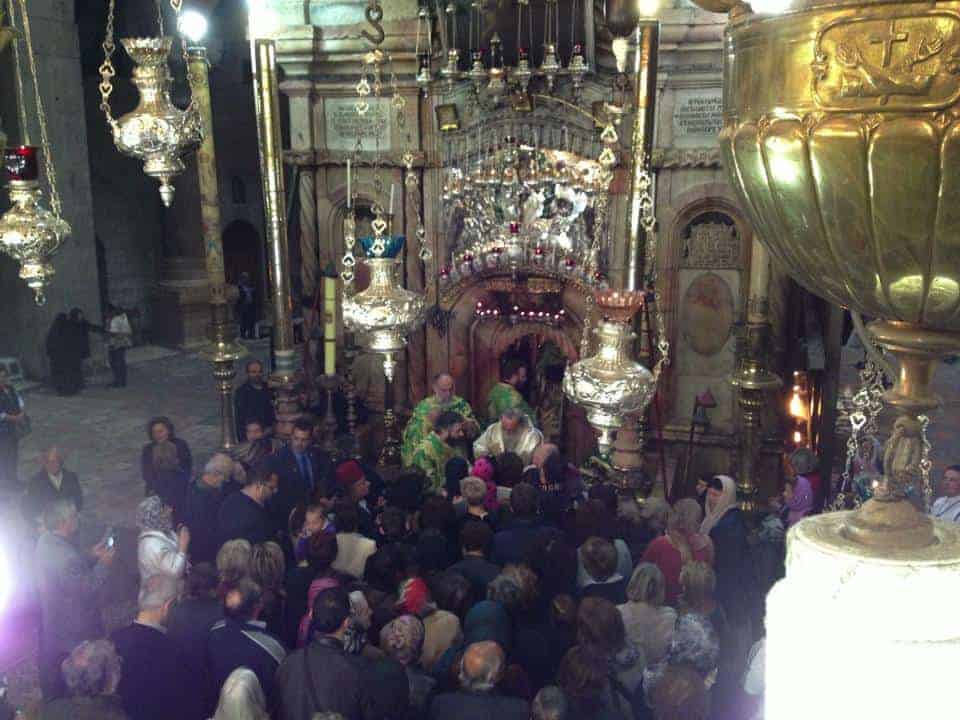
Cappella Romana artistic director Alexander Lingas has been traveling abroad. Take a look at some of the wonderful sights! Holy Sepulcher – The view from the balcony where Alexander Lingaswas singing for the service Iconostasis of the Church of the Nativity in Bethlehem where Alexander Lingas received gracious hospitality and helped chant hierarchical vespers of
-
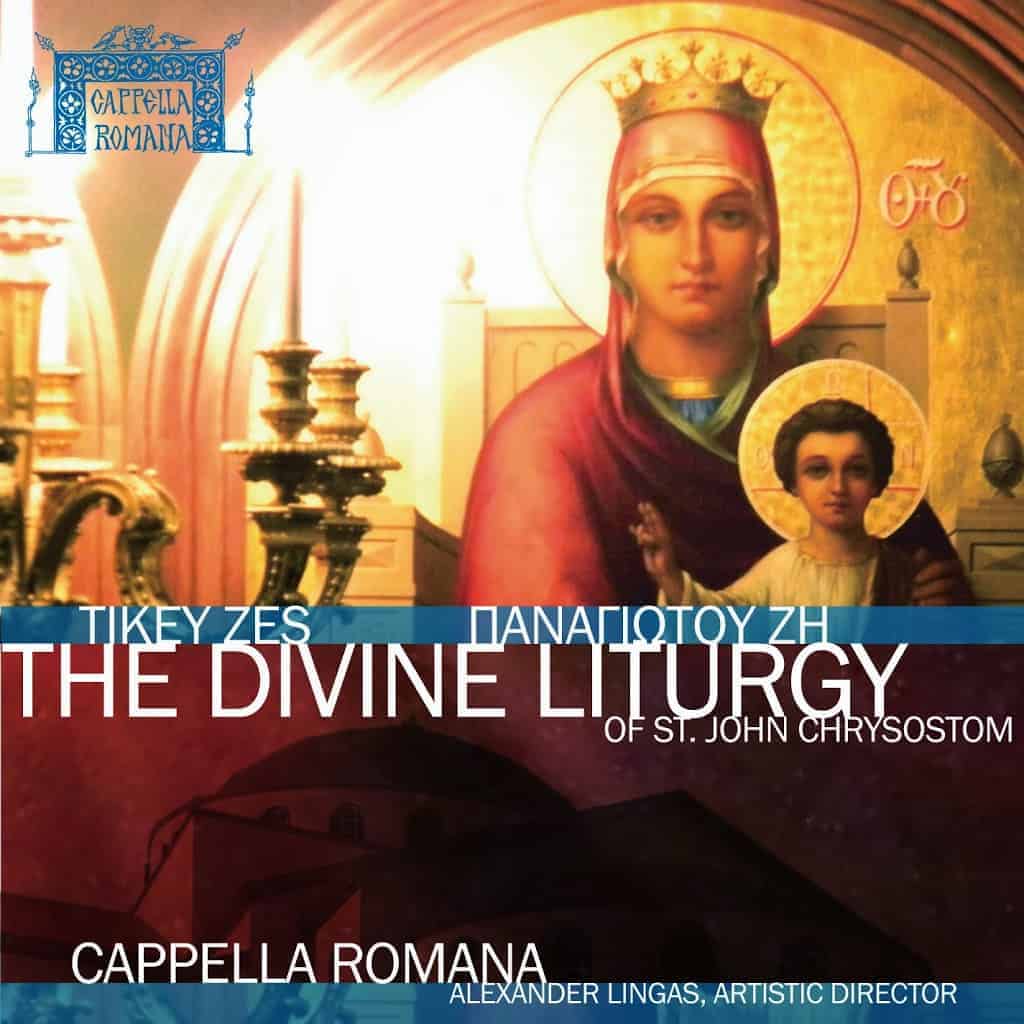
The Divine Liturgy Of St. John Chrysostom — Liner Notes Part Two
John Sakellarides and Greek American Choral Music for the Divine Liturgy The first notated examples of polyphonic music for the Byzantine rite—that is, music employing more than one vocal part intended for worship by Eastern Orthodox and Greek Catholic Christians—appeared shortly before 1453 among the works of singers who served at the courts of the
-
Timo Nuoranne to Direct Arctic Light in January
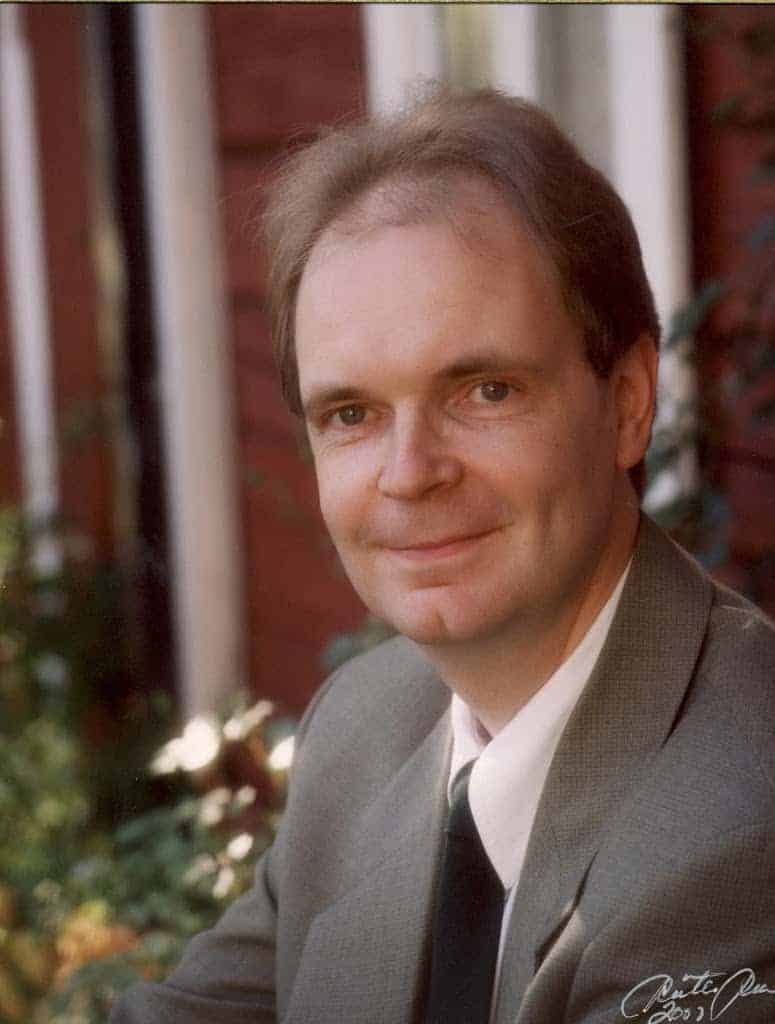
Timo Nuoranne from Helsinki Directs Cappella Romana in “Arctic Light: Finnish Orthodox Music” in January 2014 Back by popular demand, this program of sumptuous choral works from the Orthodox Church of Finland was first performed to sold-out audiences in 2008. Timo Nuoranne, a faculty member at the Sibelius Academy of Music in Helsinki and one
-
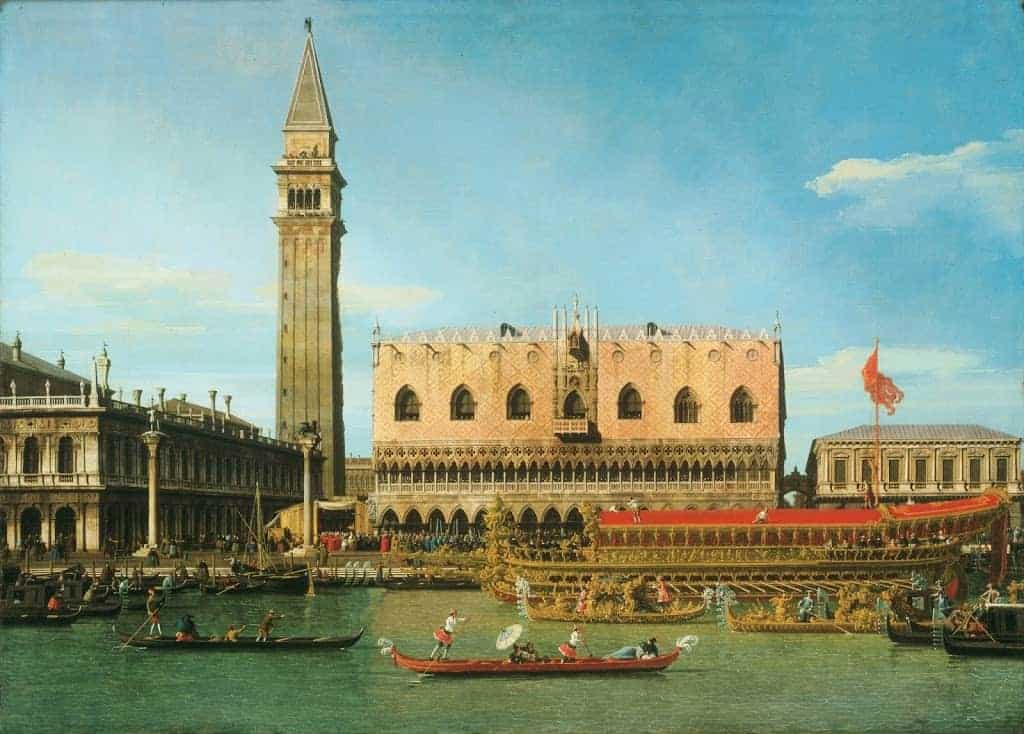
Keeping Up with the Venetians — Part One
Keeping Up with the Venetians Program Notes for Venetian Baroque: Galuppi + Vivaldi + Bortniansky The islands in the Venetian lagoon, which by the 8th century had banded together to ally themselves with the Empire of the Romans governed from Constantinople (Byzantium), quickly became one of the inhabited world’s great centers of power and wealth.
-
Letter from Mark Powell, Executive Director
Introduction to Cappella Romana’s 30th Anniversary Season Dear Friends and Supporters, In late winter we usually are ready to share our next season with you, but given how this year has proceeded, we decided to wait until now to make any announcement. Over the last year, we have not lain dormant. Cappella Romana’s recording label
-
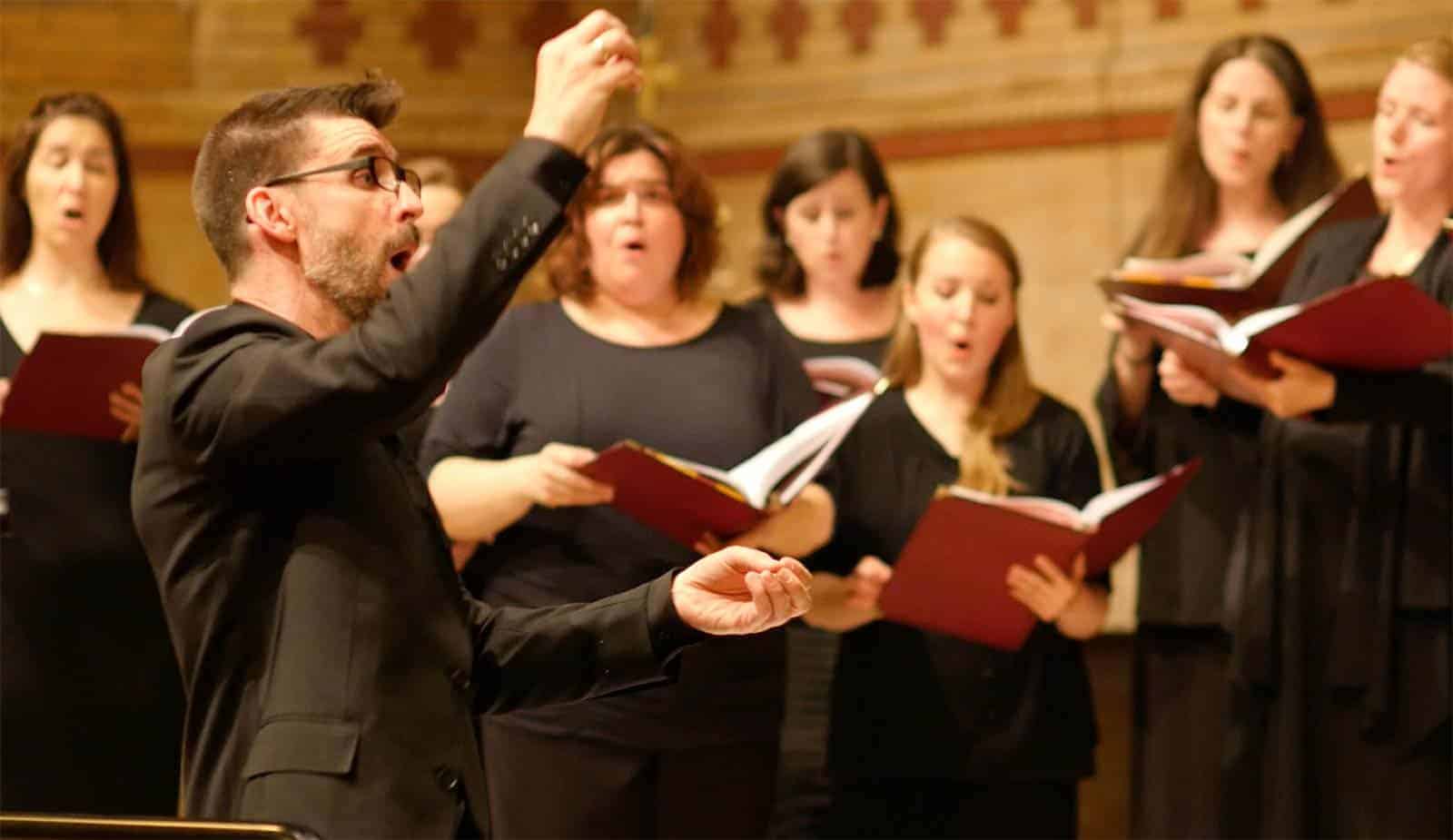
St. Tikhon Choir Gives a “Stunning Debut”
Cinemusical gives stars across the board to the Saint Tikhon Choir’s recording of Benedict Sheehan’s Liturgy of St. John Chrysostom on Cappella Records: “The work is a blend of liturgical components (litanies, various antiphons and hymns, an “Our Father”, communion, blessing) and psalm settings (Sheehan adapted Psalms 145 and 148). There are references to ancient
-
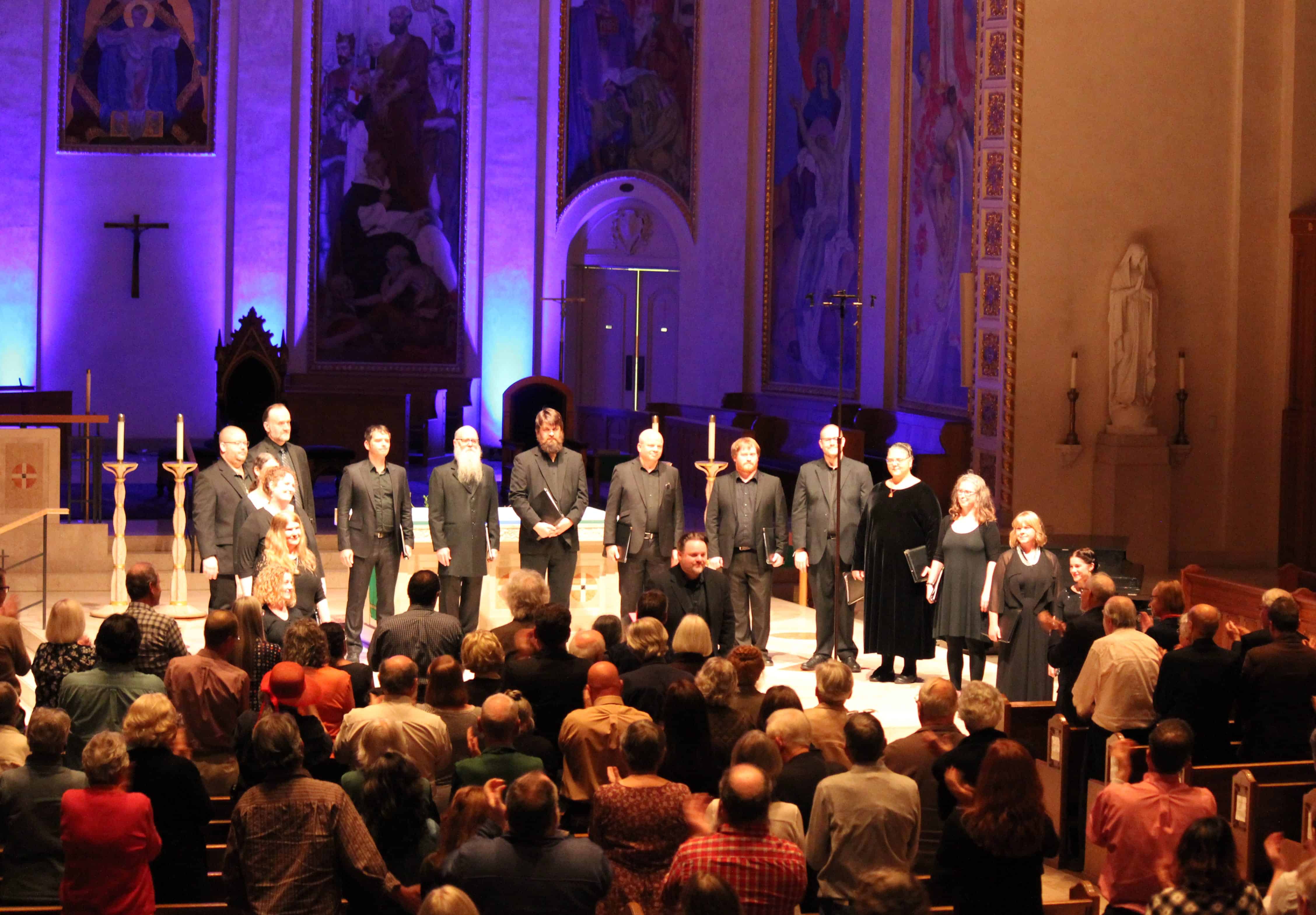
Oregon Arts Watch Review for “A Song of Creation”
Cappella Romana’s performance…was an electrifying, bristlingly intense superabundance of laser-beam monody and…florid counterpoint in the Eastern Orthodox style. … Here, the modern music was a vivid variety of sacred choral music by contemporary composers Matthew Arndt, John Michael Boyer, Alexander Khalil, Kurt Sander, Richard Toensing, and Tikey Zes. The six composers, according to the program,
-
Be Radiant, O Peoples!
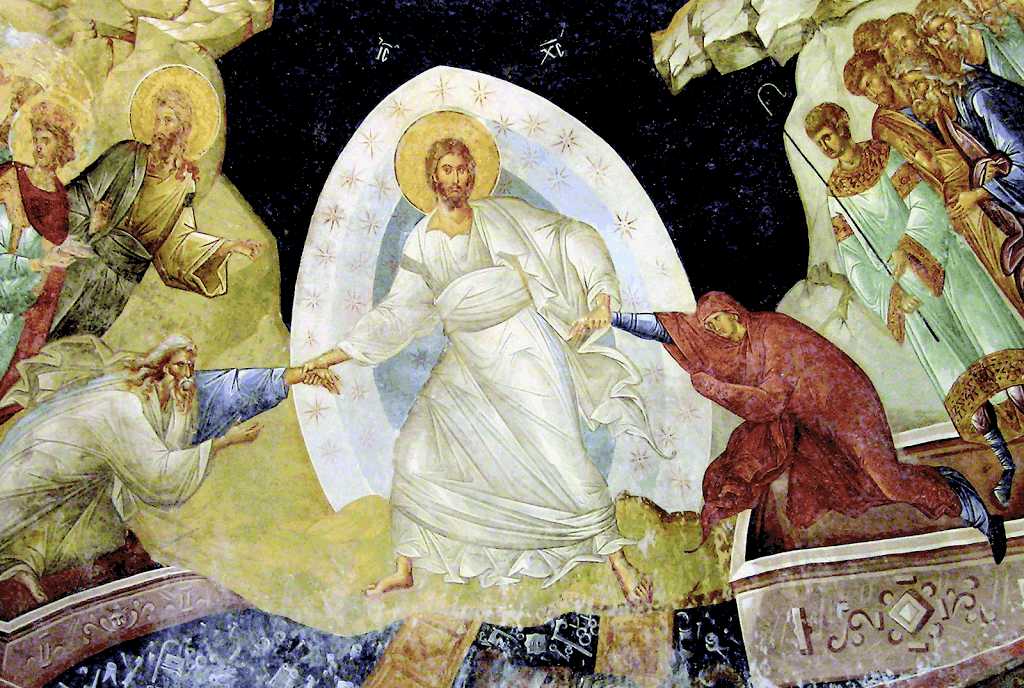
Working under Muslim rule in and around Jerusalem during the 8th century AD, St. John of Damascus—defender of icons, theologian, poet and musician—composed a radiant hymn for Easter Sunday morning, his Paschal Canon. Over the centuries his joyful verses praising the Resurrection of Christ have been adapted to countless languages and musical styles across a
-
Ave Maria: Program Notes
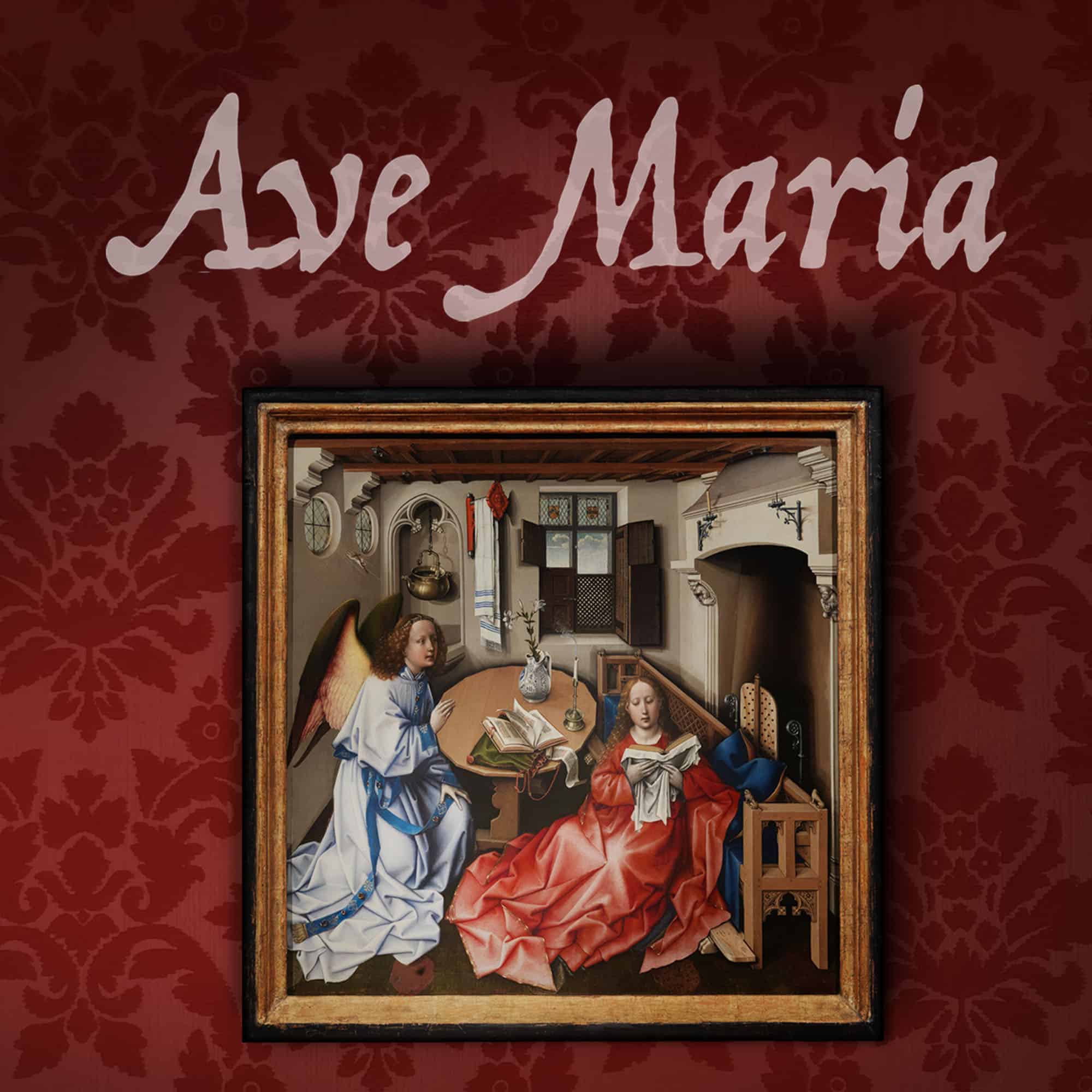
Josquin des Prez and Heinrich Isaac were two Renaissance composers with two quite different characters, in music and in life. We know what Isaac’s signature looked like because he dutifully signed the account books as a musical servant of the Emperor Maximilian. We know what Josquin’s signature looked like because he carved it (not at
-
Cappella Romana and Third Angle New Music share historic downtown workspace
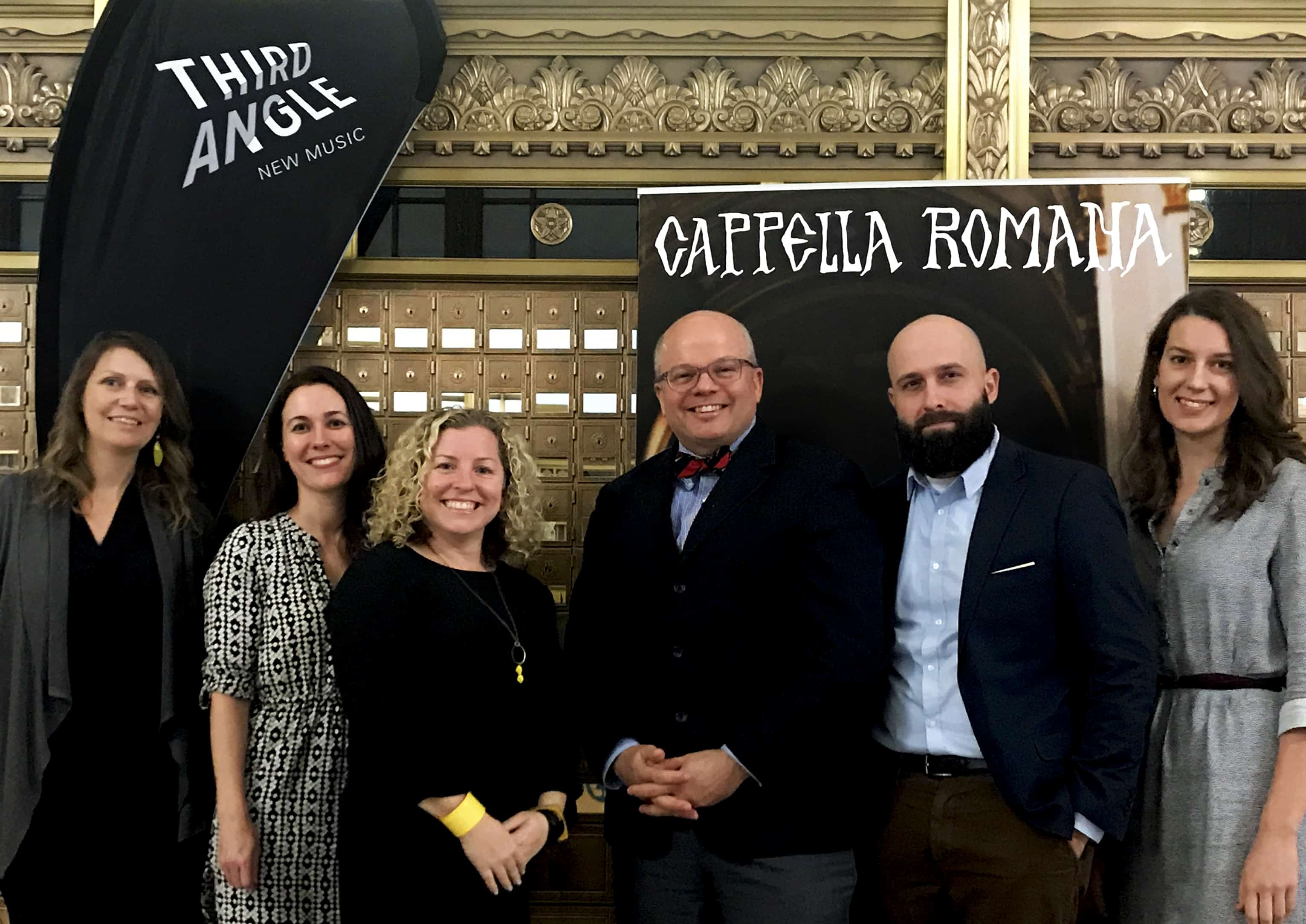
PORTLAND, OR— The sounds of music, from medieval chant to math rock, are ringing out from a single set of offices in the Gus J. Solomon U.S. Courthouse in Portland, Oregon. Third Angle New Music is delighted to announce that it has established its new office in the top floor of the former courthouse, subleased
-
Venice in the East
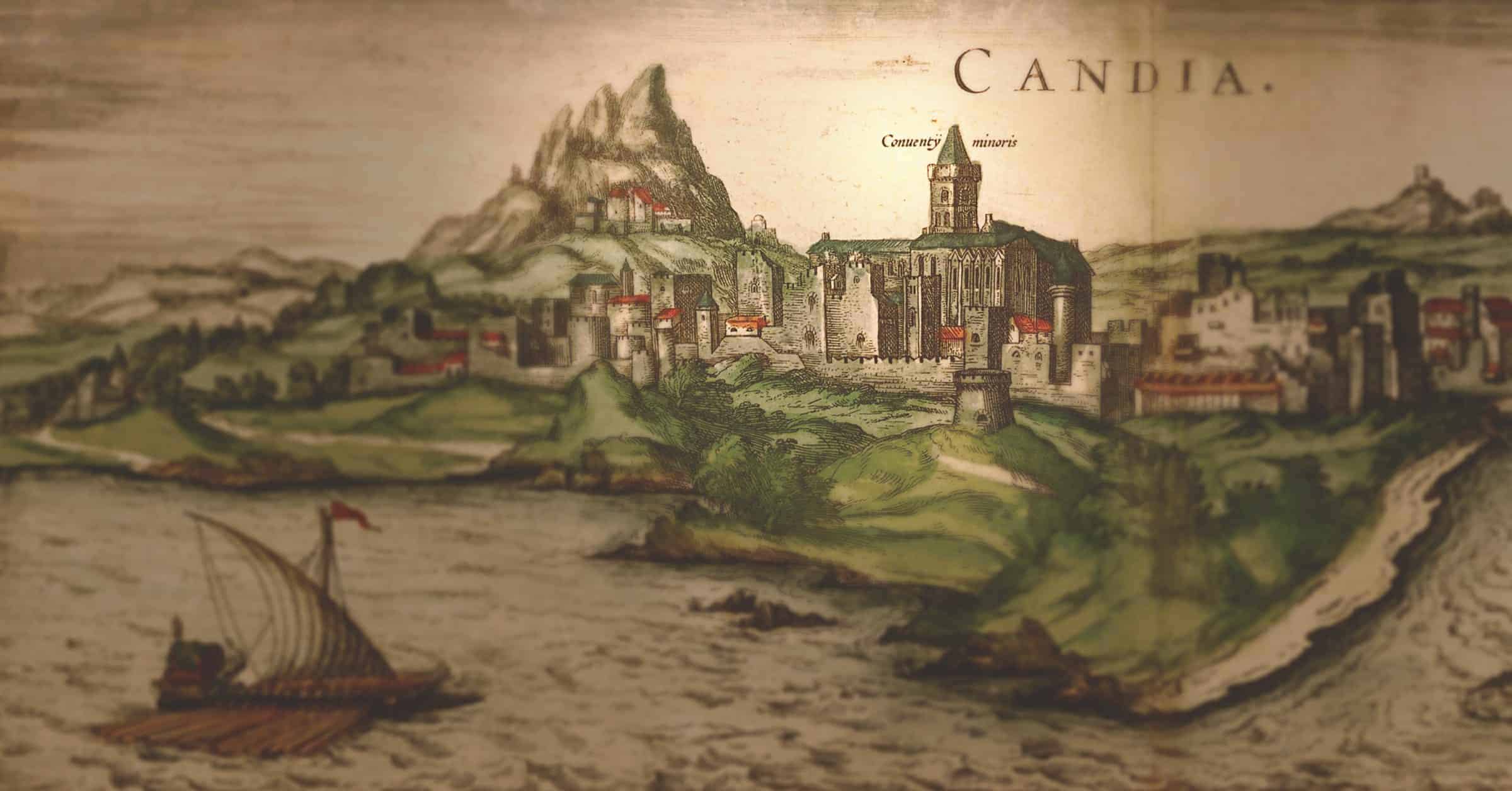
Venice In The East: April 27-29, 2018 Program Notes by Alexander Lingas From its emergence as a significant political entity in the sixth century under the rule of the Eastern Roman (“Byzantine”) Empire to the dissolution of the Republic by Napoleon in 1797, the city of Venice remained closely tied to the Greek East. Following

You must be logged in to post a comment.