-
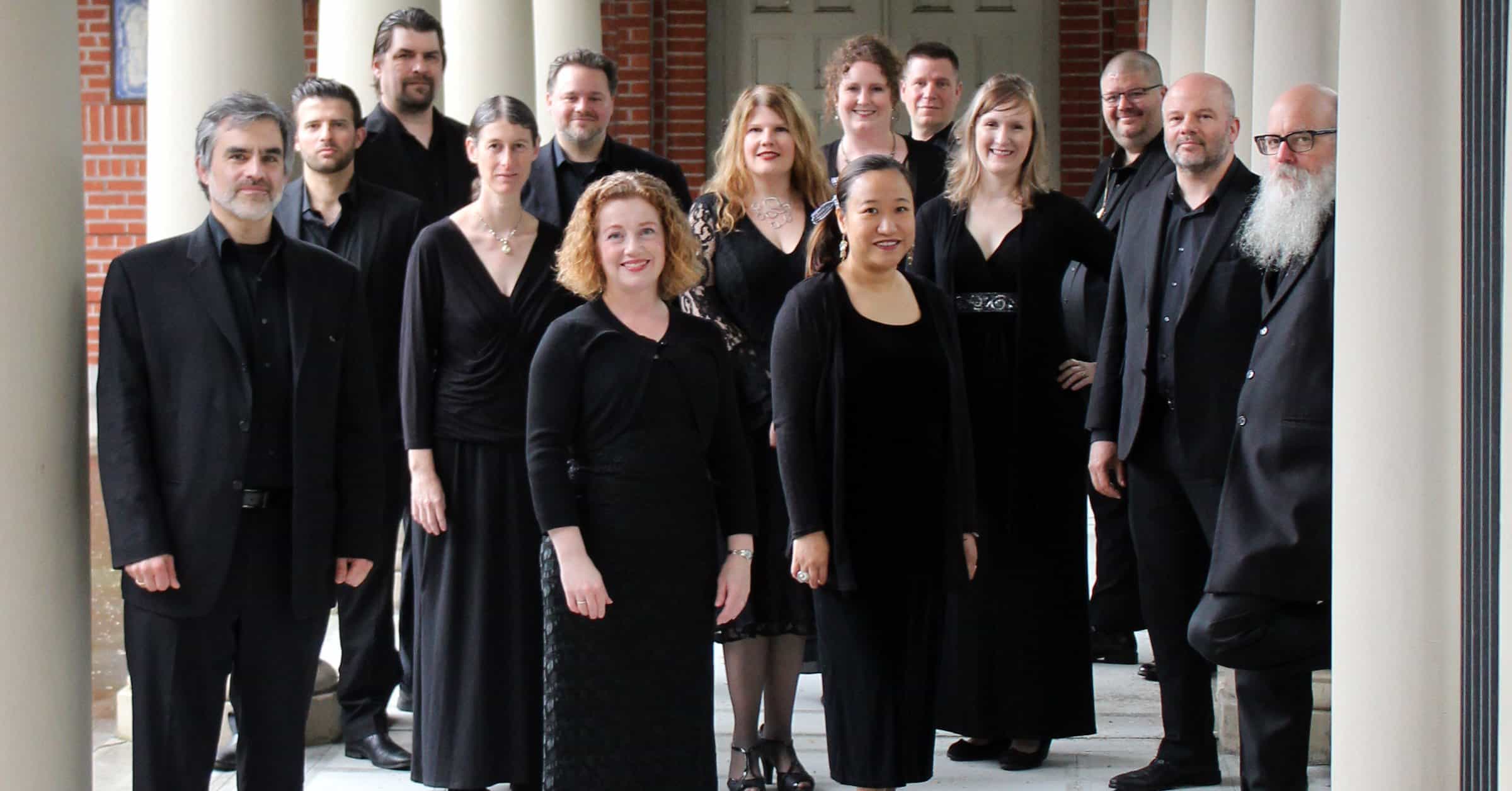
The Oregonian Features “They Are At Rest”
The Oregonian interviews Cappella Romana executive director Mark Powell for a feature on our They Are At Rest series: Cappella Romana appears to be the only professional artistic organization in Portland giving a performance commemorating the 100th anniversary of World War I’s end. “This is the right thing for us to do,” Mark Powell, Cappella
-
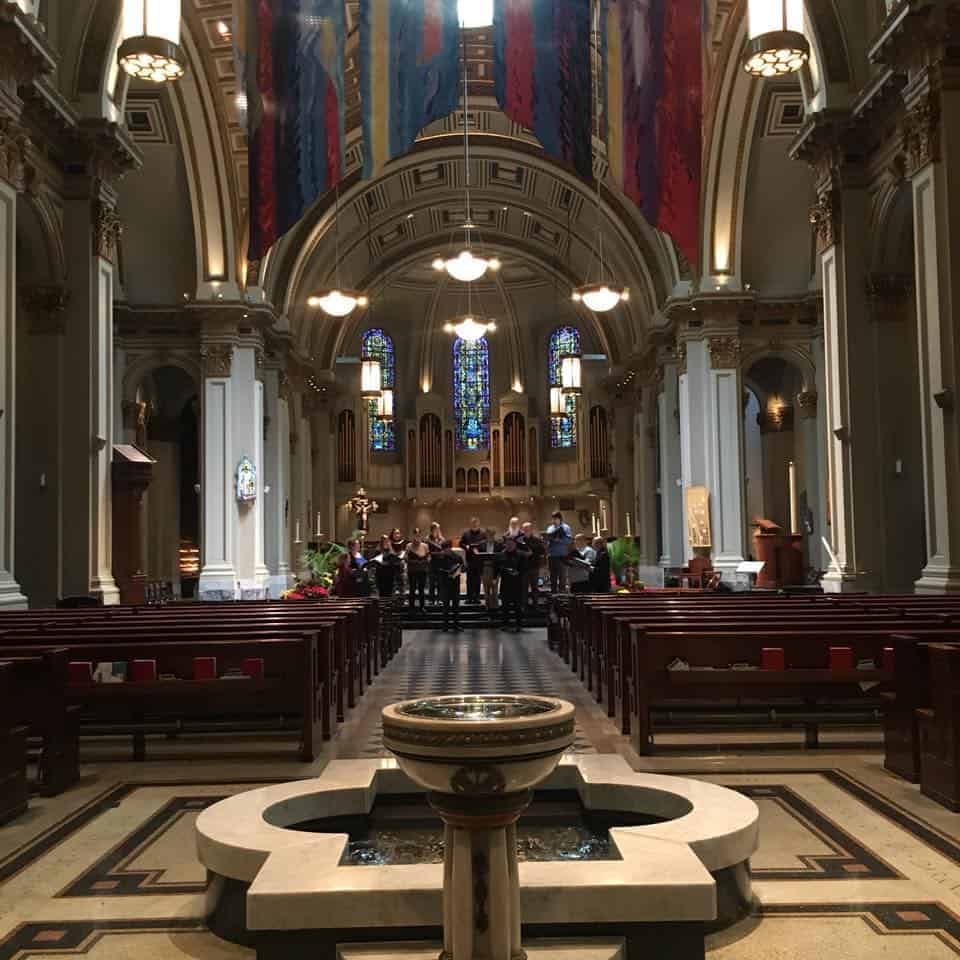
The SunBreak Reviews “Venice in the East”
Seattle’s The SunBreak reviews Cappella Romana’s April 27, 2018 Venice in the East performance: “Hearing Cappella Romana singing in St. James Cathedral is to hear a slice of heaven. … As always, the presentation was scholarly, as accurate a portrayal of the music as it would have been performed as can be ascertained through diligent
-
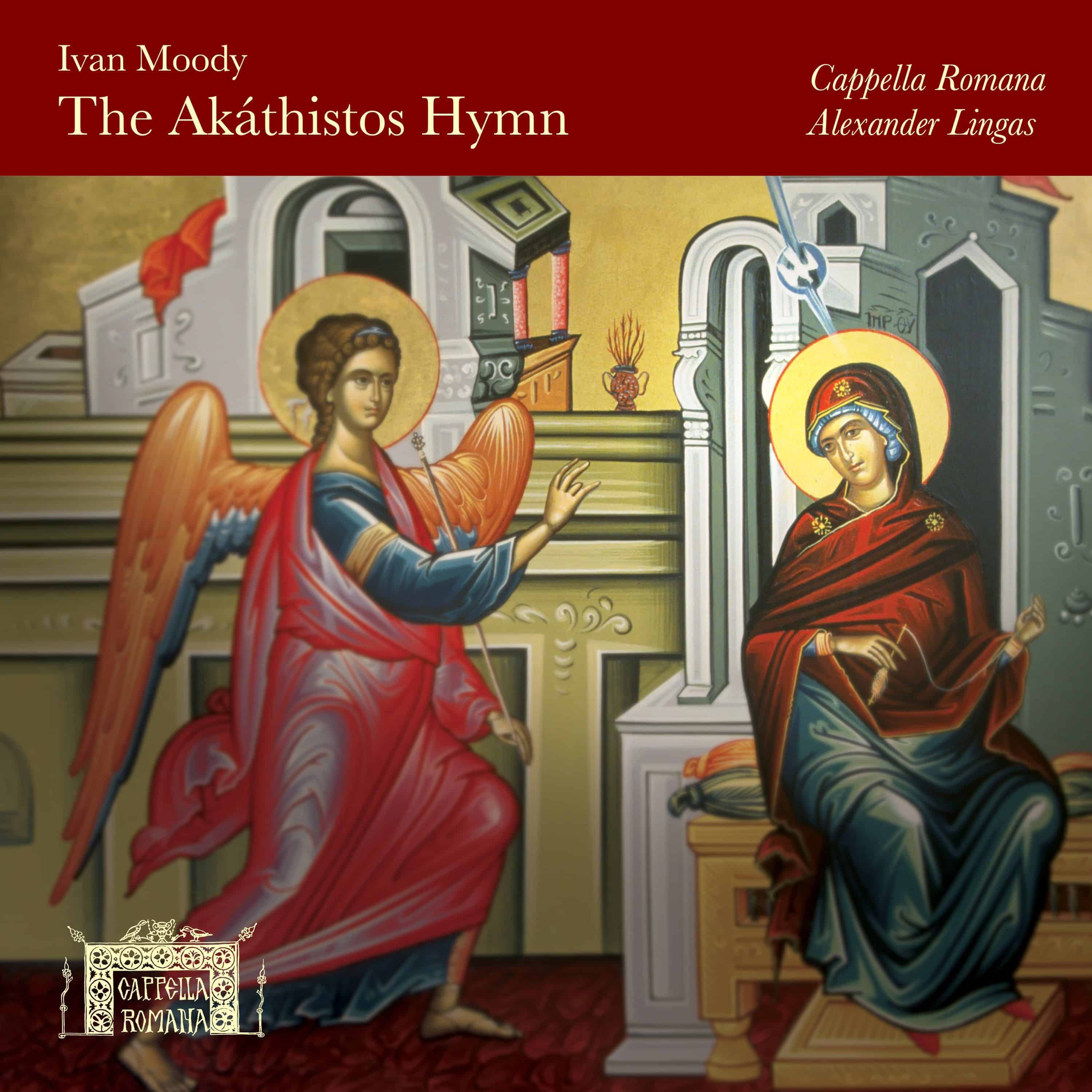
The Akáthistos Hymn Recording Available Now
The Akáthistos Hymn to the Virgin Mary, set by Ivan Moody. This lyrical masterpiece in 24 stanzas has been treasured for nearly 1,500 years by Eastern Christians. Father Moody’s 1998 setting, composed specially for the ensemble, weaves beloved Greek melodies into Russian choral textures as it progresses from reverent contemplation to ecstatic transcendence. This second
-
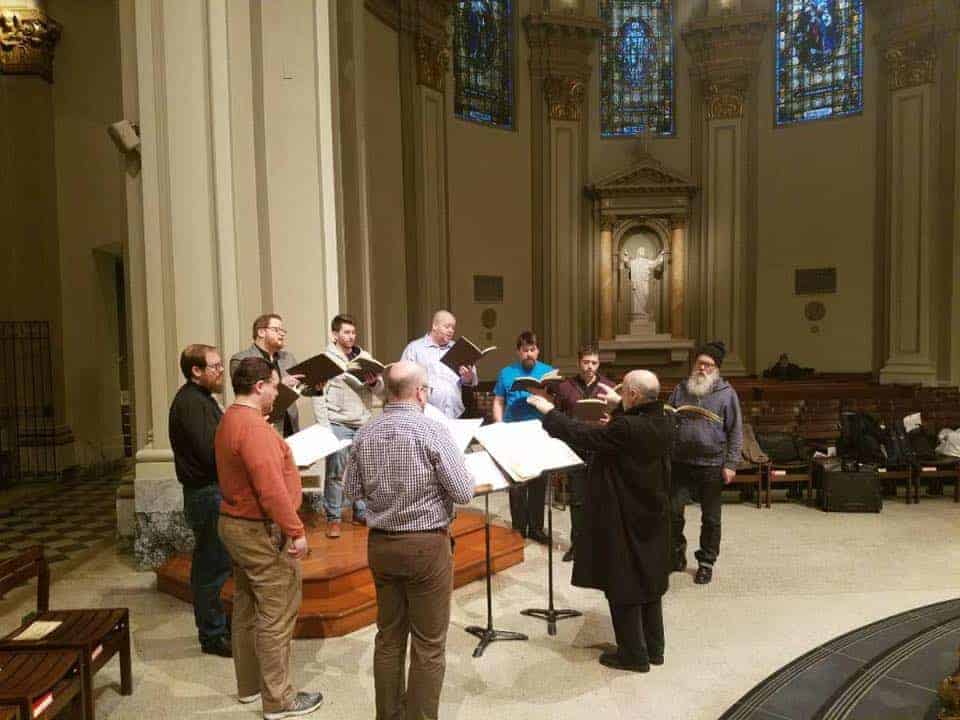
Seattle Machaut Review
“The most visceral part of the recital was simply the experience of hearing this music in a close approximation to its original acoustical and architectural context. What’s more, partaking in Machaut’s Messe reinforces why Medieval music is so fascinating to contemporary composers. Listening to it is rather like listening to a 20th century landmark composition
-
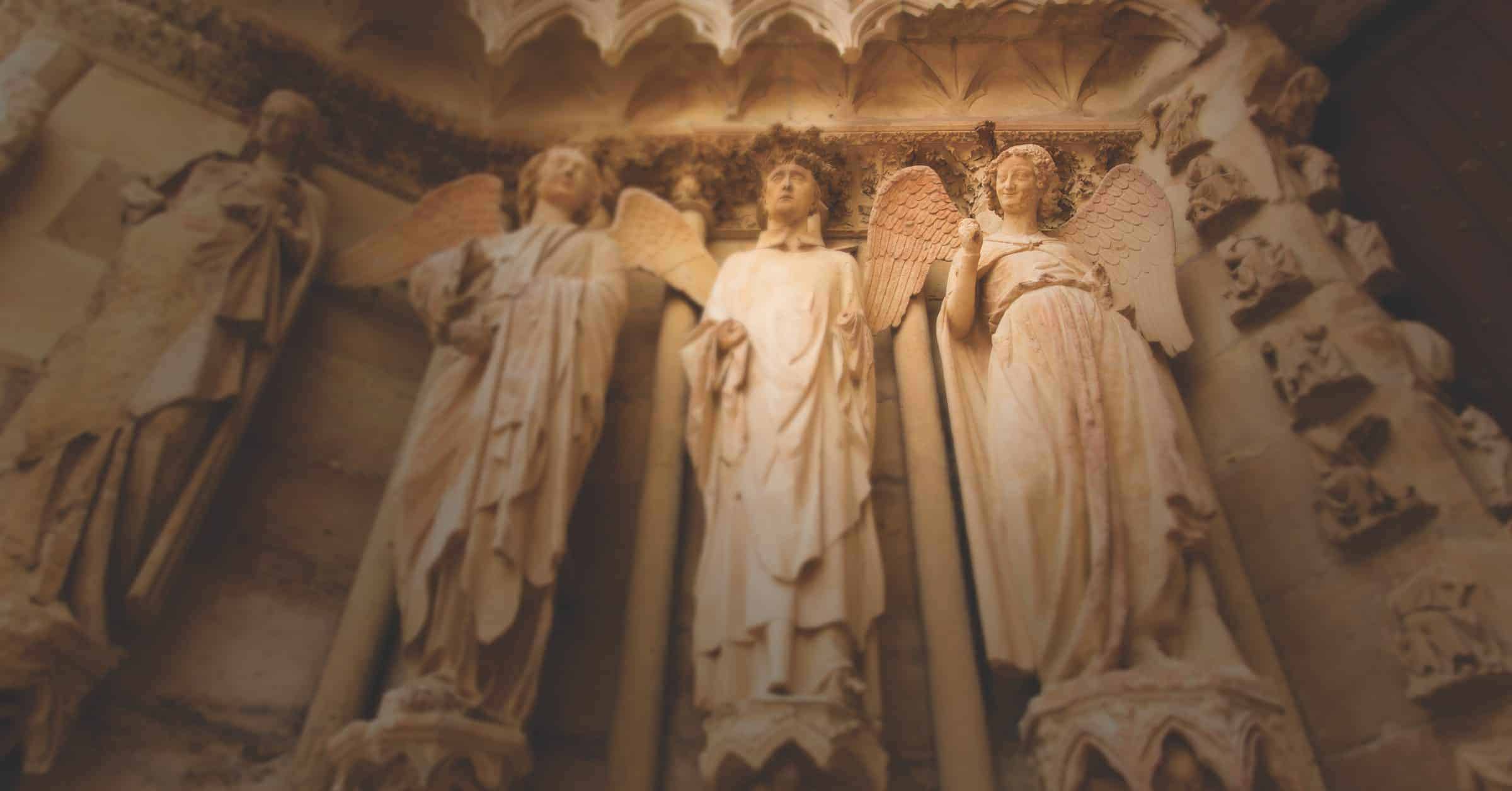
Northwest Focus features Machaut: Messe de Nostre Dame
In the lead-up to our Machaut: Messe de Nostre Dame series, Seattle’s KING FM will be previewing the performance with Cappella Romana recordings on the Northwest Focus program! See the schedule: Date Time Music Mon, Jan 29 9:00pm Byzas: Sticheron Apostichon Idiomelon for St. Basil Tues, Jan 30 9:21pm Dufay: Lamentatio Sanctae Matris Ecclesiae Constantinpolitanae
-
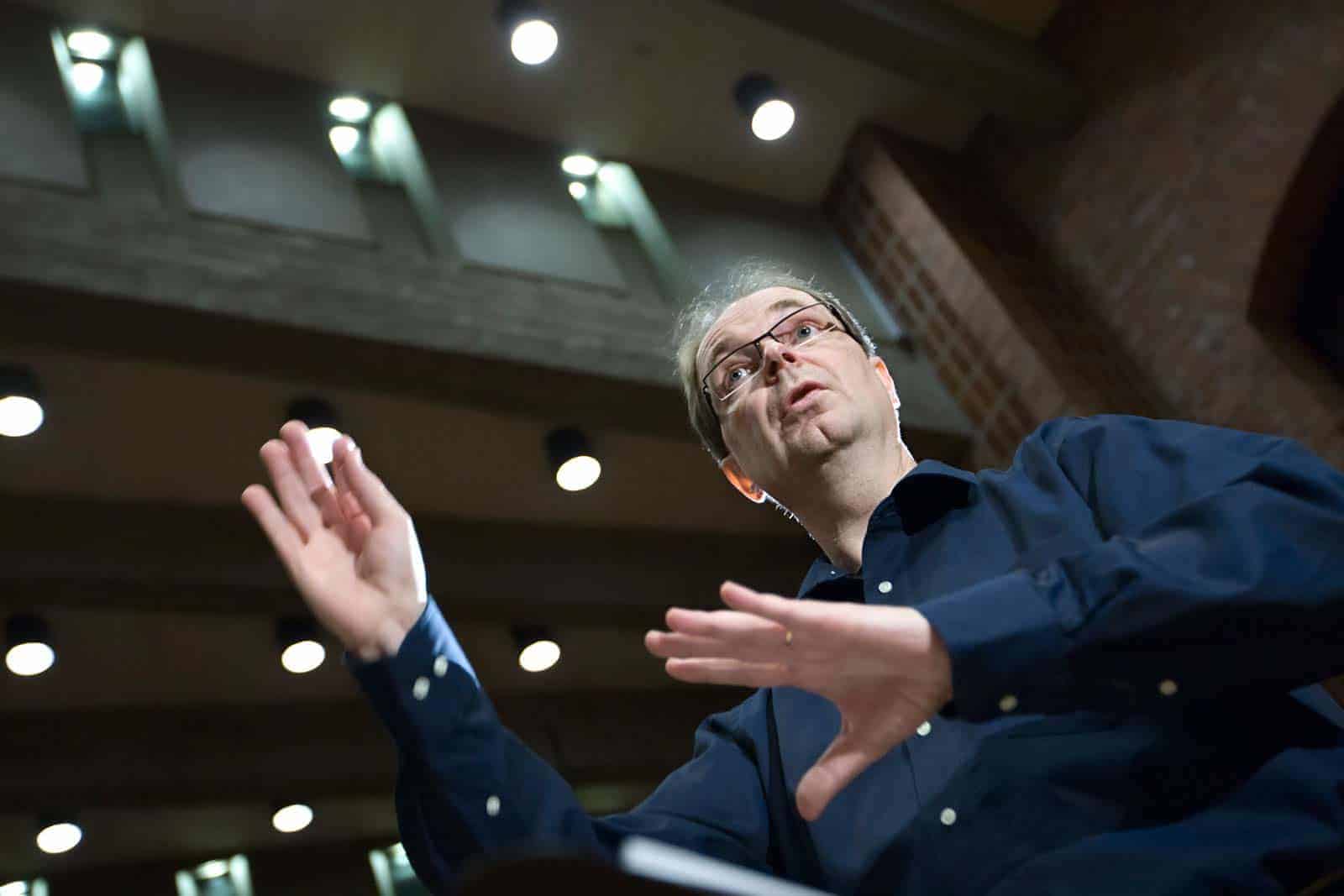
How Timo Nuoranne is coming back to Cappella Romana
Audiences in the Pacific Northwest know Timo Nuoranne from his Cappella Romana debut with Arctic Light in 2014: a concert program that was almost scrapped, as the program’s original director (Fr. Ivan Moody) was forced to cancel his appearance due to a recent injury that prevented him from flying. The project was a brilliant success,
-
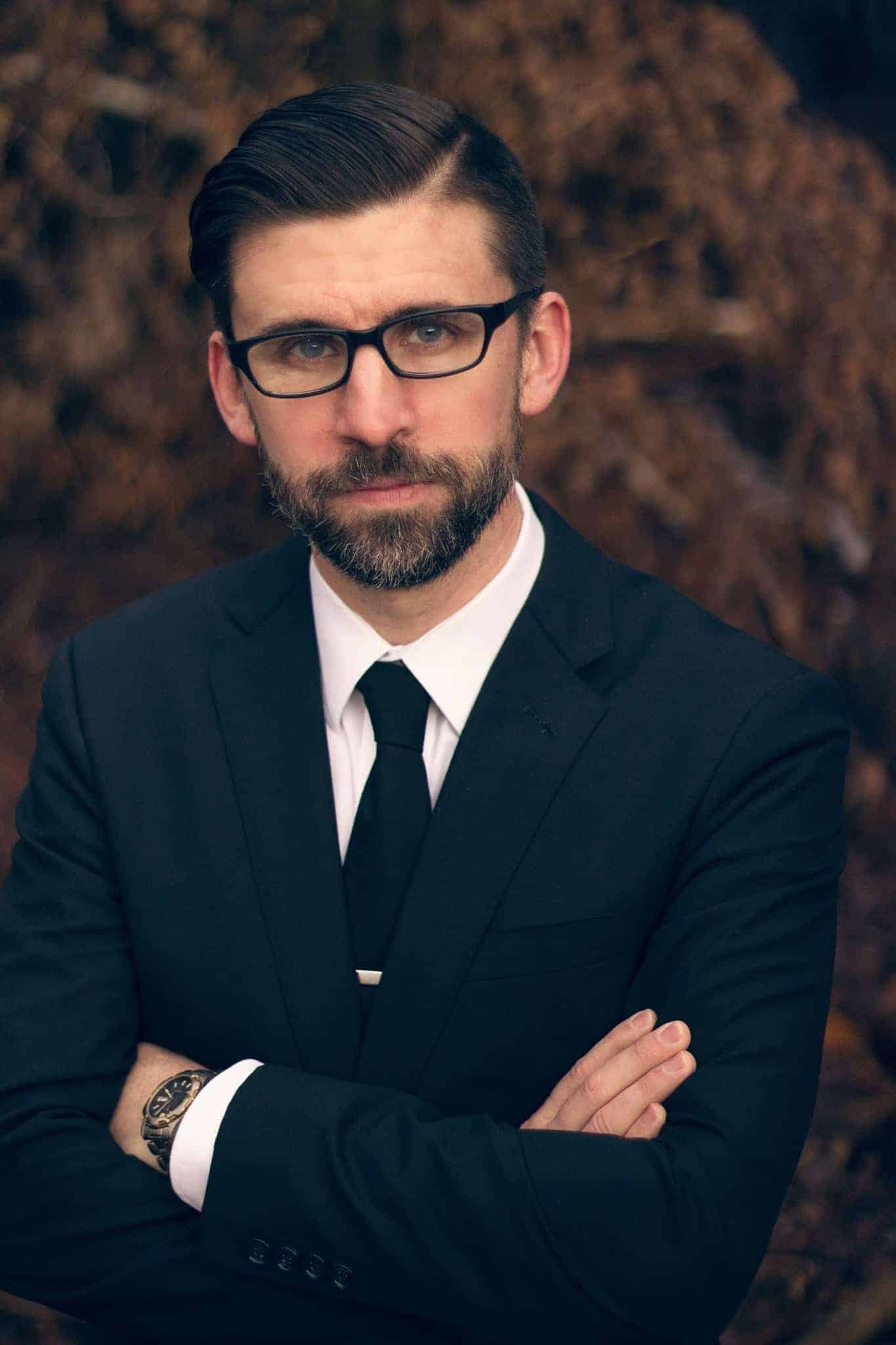
Meet Benedict Sheehan
Guest Director October 20-22 Benedict Sheehan is a composer, conductor, arranger, writer about, and teacher of, music. He is Director of Music at St. Tikhon’s Orthodox Theological Seminary and Monastery; and, since founding the group in 2015, he has served as Artistic Director of the Chamber Choir of St. Tikhon’s Monastery, a professional vocal ensemble.
-
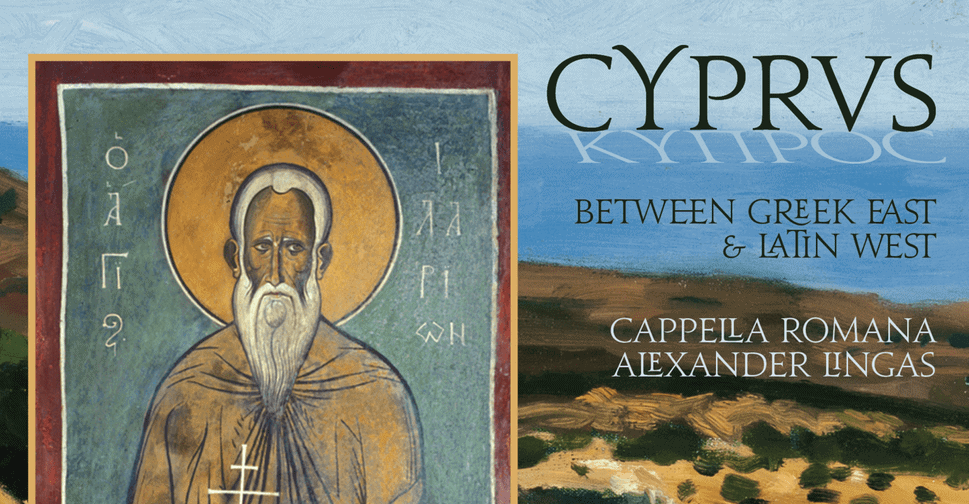
American Record Guide Review for Cyprus
Buy Now “Alexander Lingas is one of today’s leading experts on Byzantine music, but he has also developed a vocal group, the Cappella Romana, that has been building an impressive catalog of recordings ranging through the span of Greek Orthodox music, including contemporaneous practice both abroad and in the USA. The present program is an
-
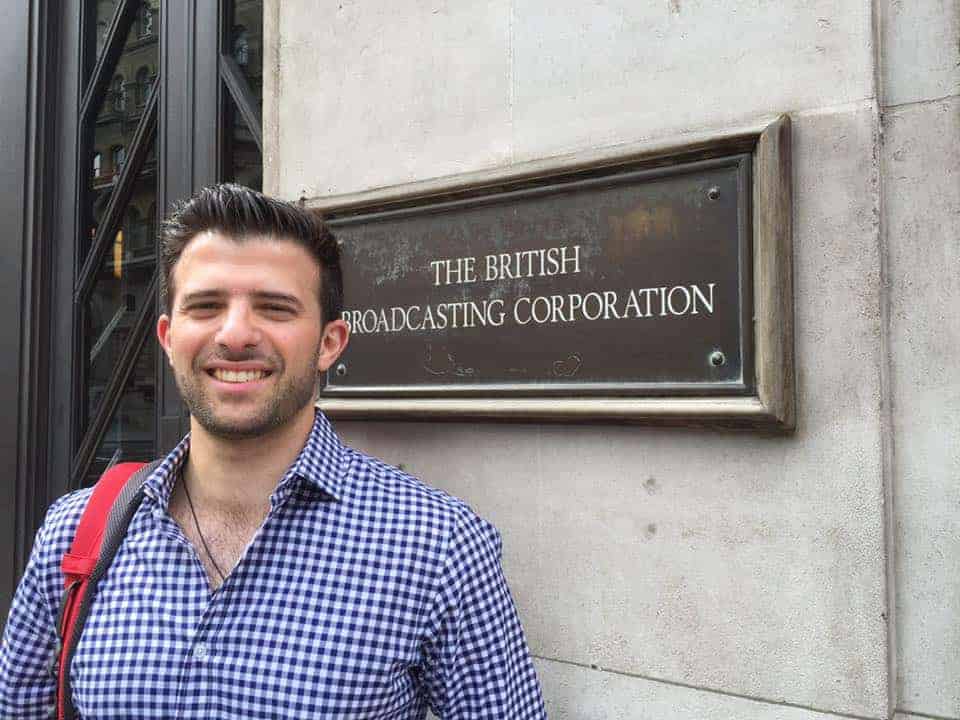
Spyridon Antonopoulos on Medieval Church Acoustics
The Red Bull Music Academy features an interview with Cappella Romana’s own Dr. Spyridon Antonopoulos and Emma Warren for an exploration of the transcendent impact and contemporary relevance of medieval acoustics: “‘Kalophonic music was more embellished and abstract,’ explains Antonopoulos. ‘There are entire compositions of just syllables. It’s an evolution where music seems to usurp
-
Venice in the North
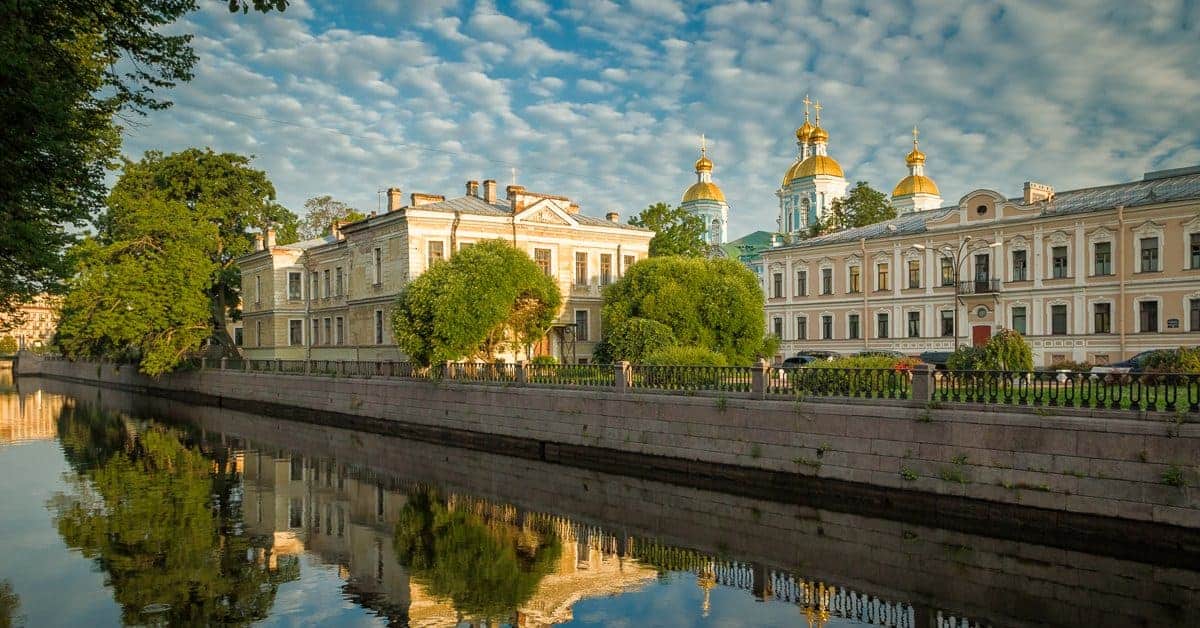
Following the Ottoman conquest of Constantinople in 1453, the peoples of Russia and Ukraine began to look to the West not only for trading partners, but also for political, intellectual and artistic models. The Westernization of northern Slavic societies rooted in Byzantine traditions of governance and religion accelerated during the tumultuous seventeenth century, which saw
-
The Russian Chant Revival
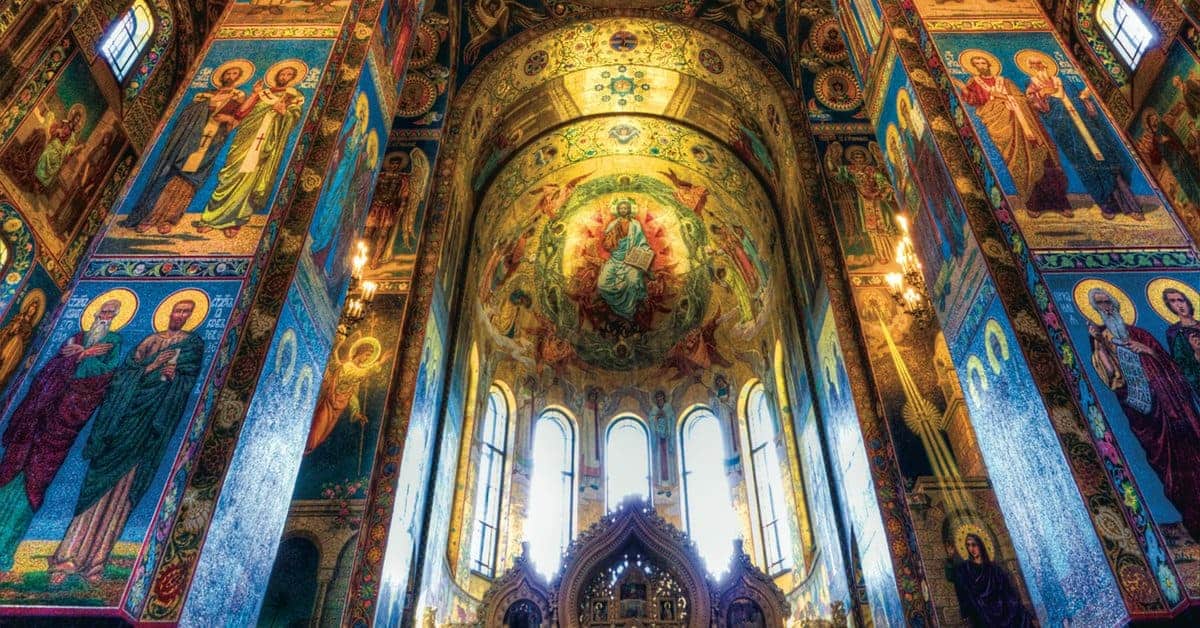
Major traditions of complex sacred music throughout Europe were shaped during the so-called “long nineteenth century” (the period of relative peace which lasted from the battle of Waterloo to the outbreak of World War I) by movements to recover elements of early traditions for modern use. These efforts, like contemporary “back-to-roots” endeavors in non-musical arts
-
Smithsonian Magazine Features Icons of Sound
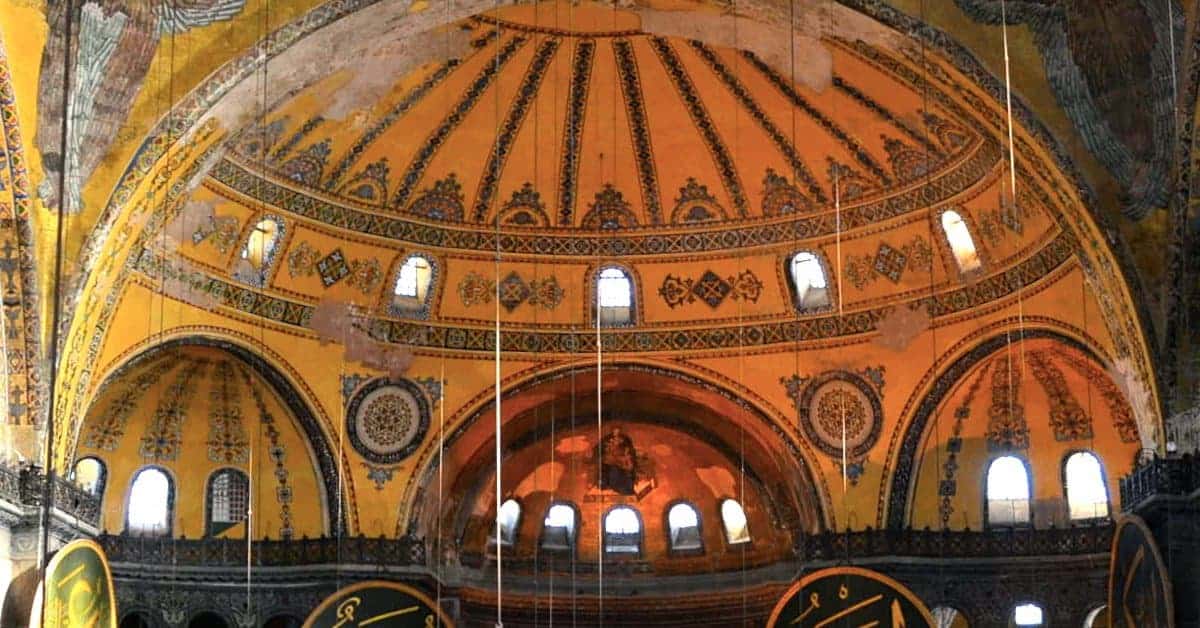
Our “Icons of Sound” concert and collaboration with Stanford University gets a fantastic feature in the Smithsonian Magazine: “Hagia Sophia, a former church and mosque, is an important part of Istanbul’s long history. Who knew its sublime sound could be transferred to Stanford? Twice in the past few years, Stanford scholars and scientists have worked

You must be logged in to post a comment.