-

Venice in the North
Following the Ottoman conquest of Constantinople in 1453, the peoples of Russia and Ukraine began to look to the West not only for trading partners, but also for political, intellectual and artistic models. The Westernization of northern Slavic societies rooted in Byzantine traditions of governance and religion accelerated during the tumultuous seventeenth century, which saw
-
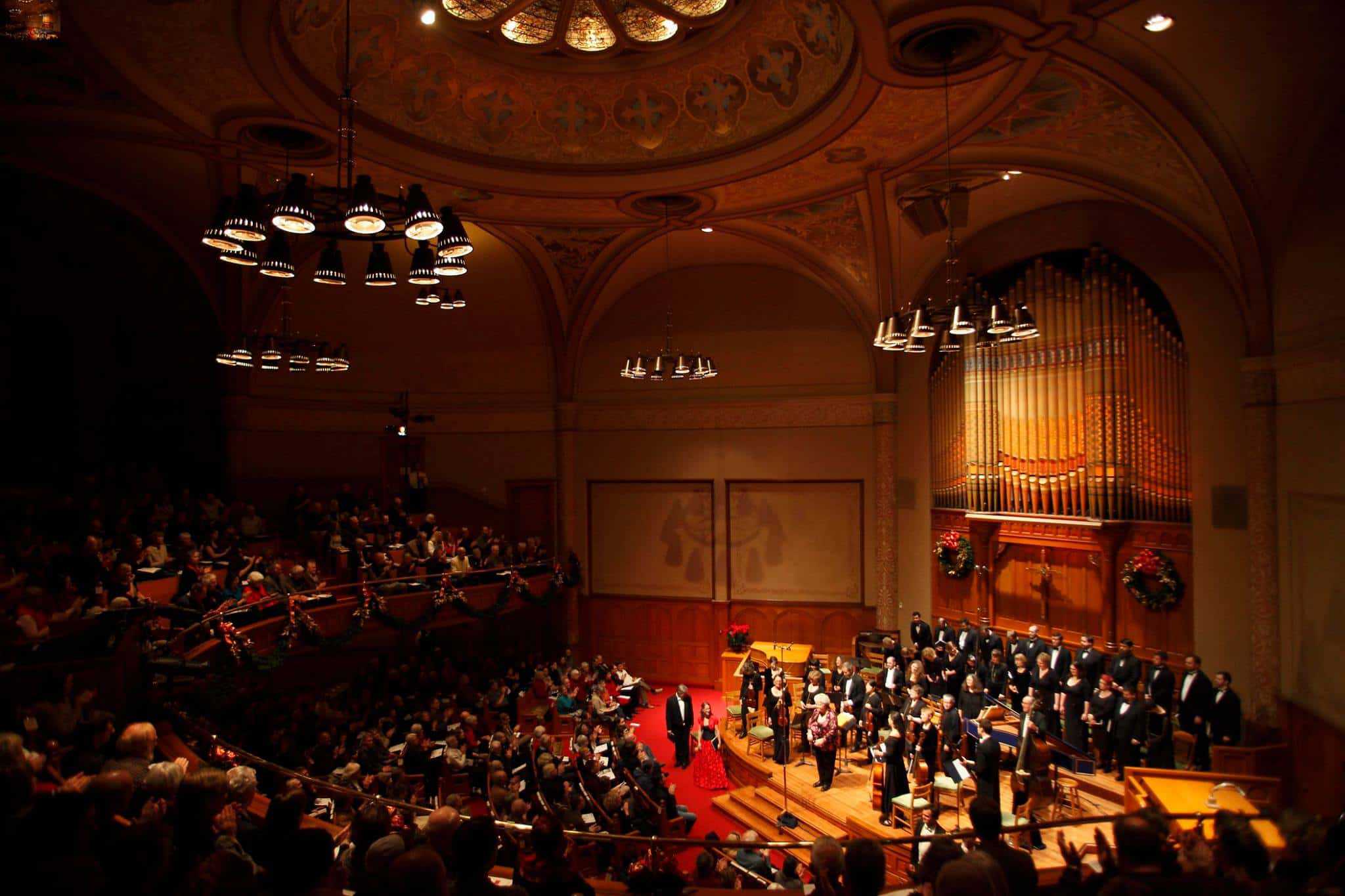
Artslandia Reviews Handel’s Messiah
“…since 2010 the choruses have been sung by Cappella Romana, the city’s finest choir.… Given their long experience with the piece (and a wide range of other music besides), Cappella Romana was unsurprisingly terrific; their performance was a model of Handel performance and worth the price of admission on its own. Within and across sections,
-
Kastalsky Requiem: Program Notes
Vasily Polikarpovich Titov (c.1650–c.1715) – Cherubic Hymn; Megalynarion Vasily Titov was one of two leading composers of Russian Baroque music, the other being Nikolai Diletsky (c. 1630–80). Titov’s life and work mark the mid-point of the process of Russia’s musical Westernization, which gained new momentum during the reign of Tsar Peter the Great (1689 –1725).
-
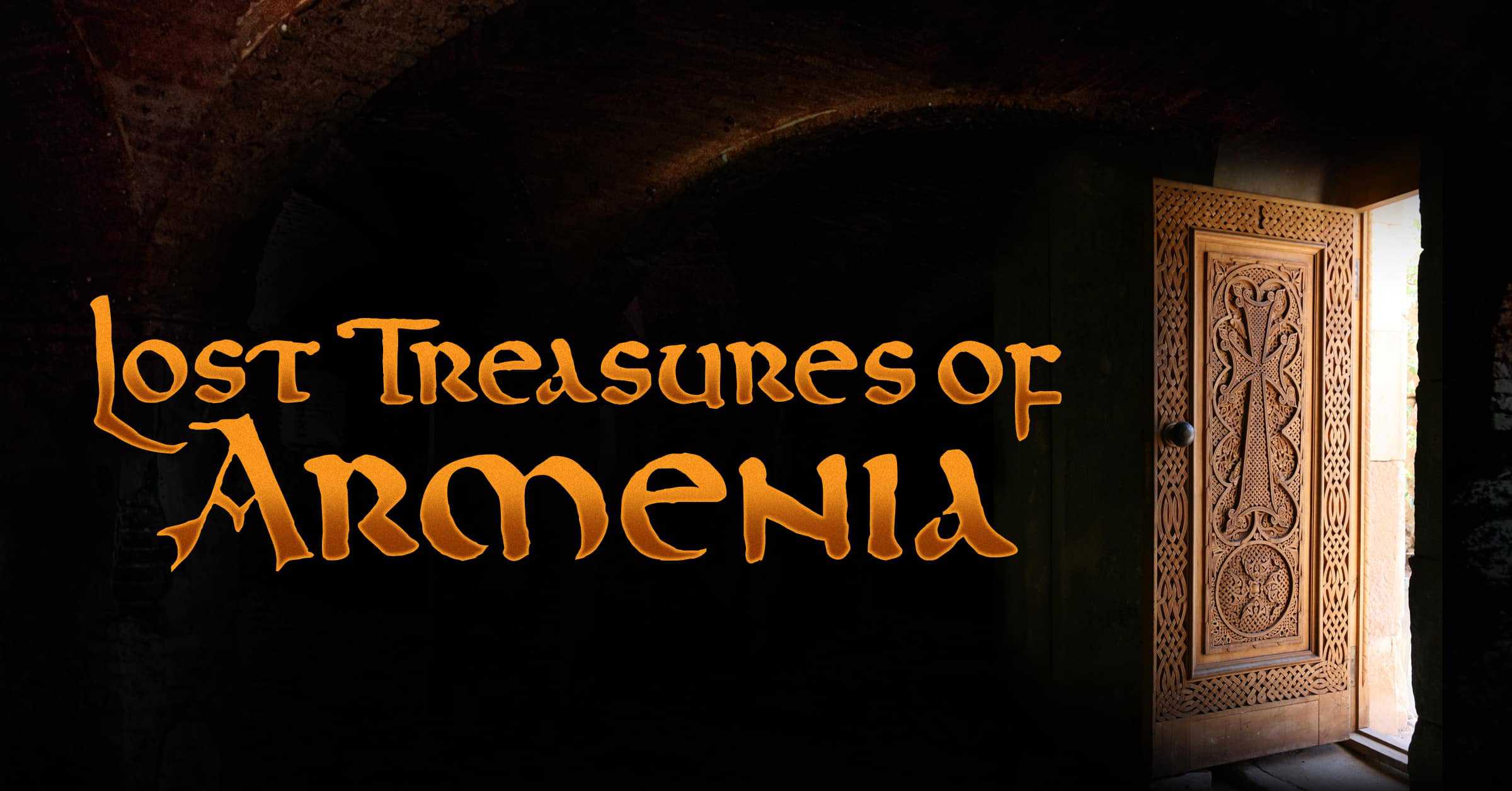
Lost Treasures of Armenia
The Holy Armenian Apostolic Orthodox Church continues to embody a living tradition of primarily monodic vocal music of exceptional richness and beauty. Though its hymnography is traditionally believed to have commenced with the invention of the Armenian alphabet in the fifth century, and the Hymnal as a canonical collection was definitively closed in the fourteenth
-

Machaut: Messe de Nostre Dame
Guillaume de Machaut (1300-1377) Guillaume de Machaut’s Messe de Nostre Dame (c. 1360-65) began to attract great interest during the 20th century. It is the first mass composed for four voices with a known composer, and as such, it is widely considered to mark the beginning of a new musical era. In addition, Machaut himself
-
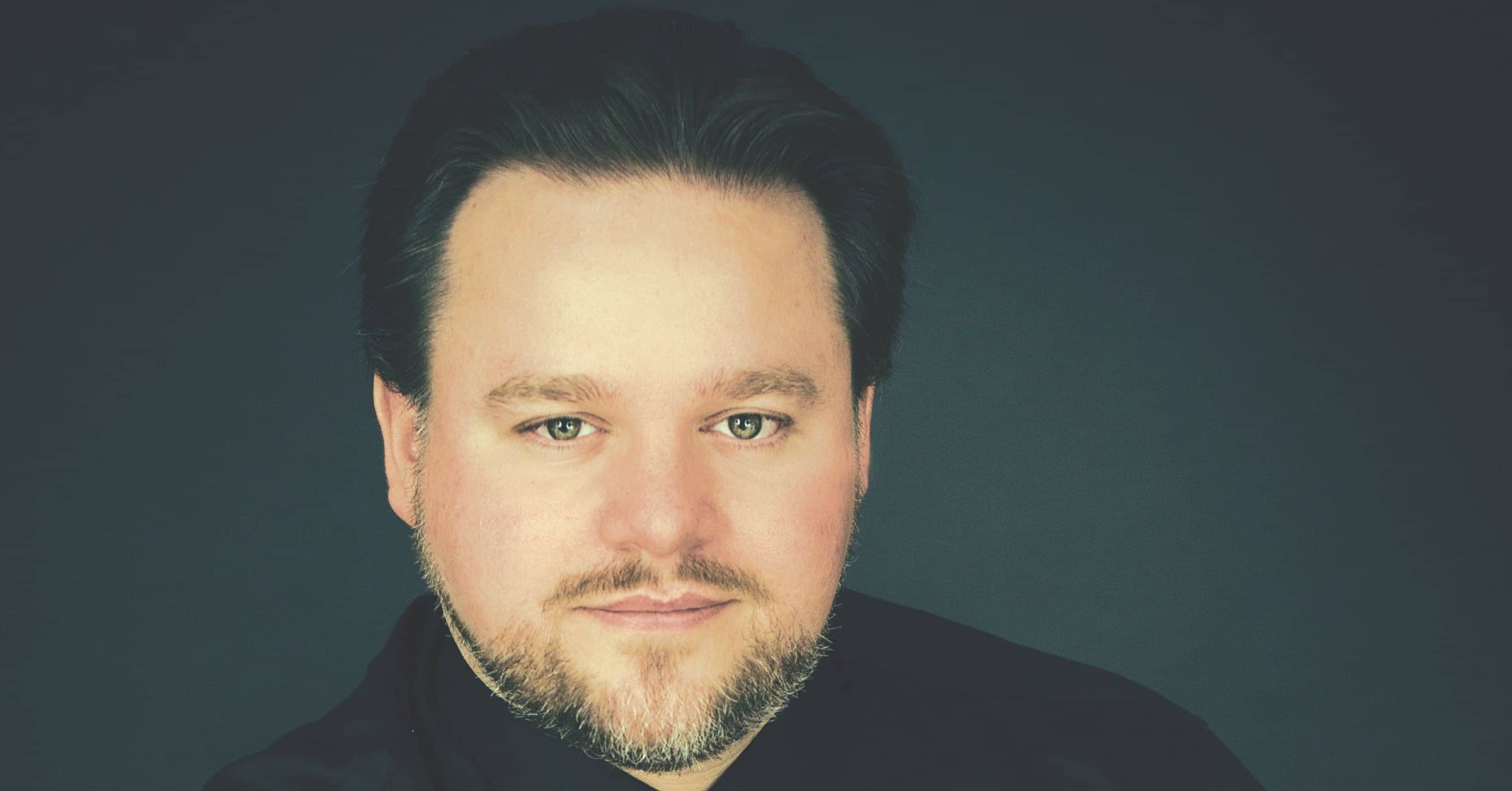
Sun of Justice: A Two-Fold Offering – Part Two
With this two-fold offering of traditional Byzantine Music, we seek to give the listener two distinct yet complementary experiences: first, that of being in a traditional Orthodox church somewhere in the Middle East, wherein one choir sings in Greek and the other in Arabic; and second: that of being in a traditional Orthodox church in
-
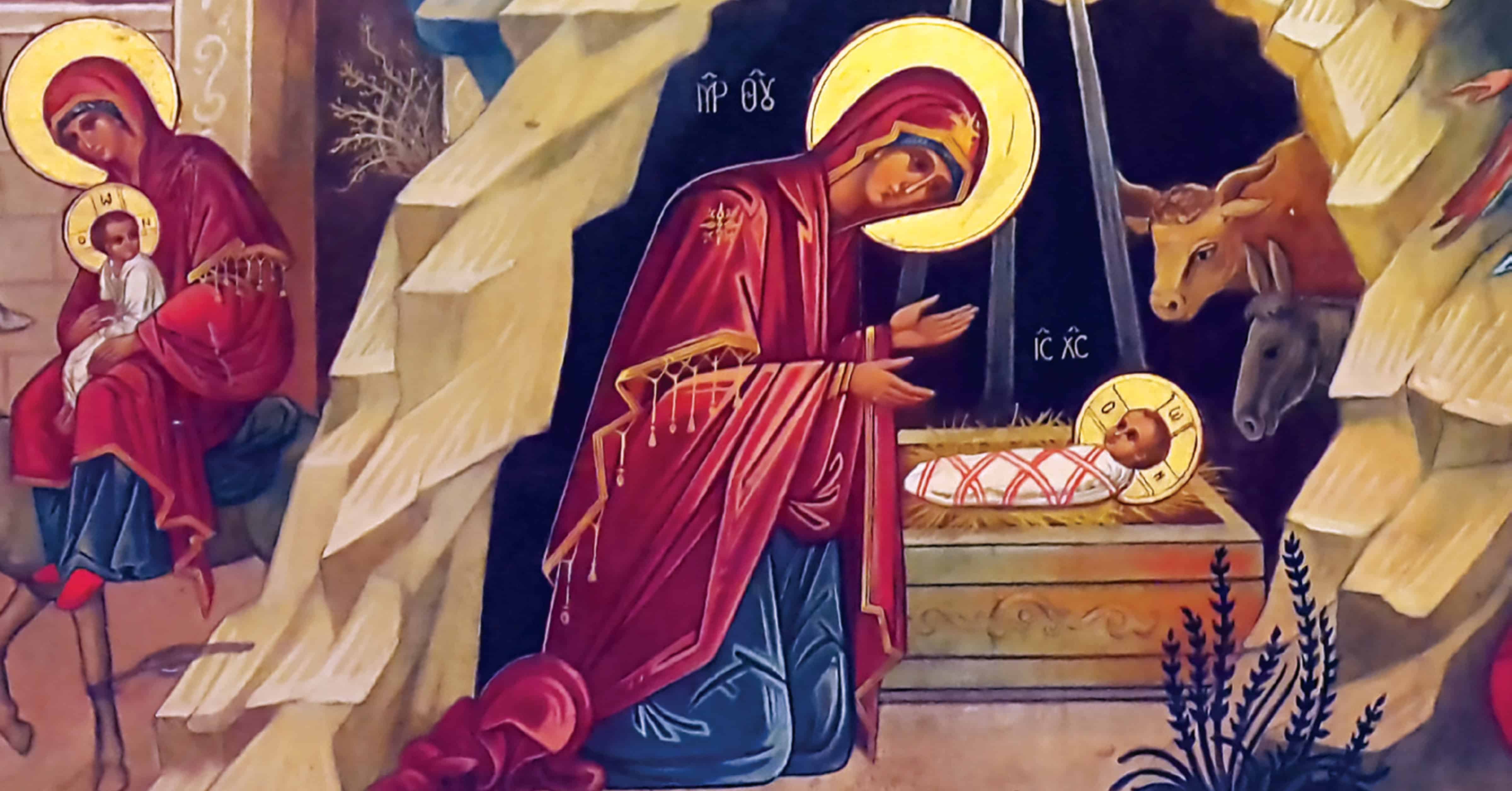
Sun of Justice: A Two-Fold Offering – Part One
With this two-fold offering of traditional Byzantine Music, we seek to give the listener two distinct yet complementary experiences: first, that of being in a traditional Orthodox church somewhere in the Middle East, wherein one choir sings in Greek and the other in Arabic; and second: that of being in a traditional Orthodox church in
-
Cappella Romana on Tour in Romania at the Iași Byzantine Music Festival
The Iași Byzantine Music Festival in Romania will present Cappella Romana, the world’s leading proponent of scholarship and performance of Medieval Byzantine Chant, in a concert on September 28, 2017, at 7:00 p.m., in the “Vasile Alecsandri” National Theatre. More information . Music director Dr. Alexander Lingas will lead a mixed ensemble of men and
-

Win the Trip of a lifetime at A Night on the Aegean
Join us for A Night on the Aegean Cappella Romana’s 25th Anniversary Gala! Seattle: Friday, September 23rd at St. James Cathedral following the Cappella Romana performance Portland: Saturday, September 24th at Trinity Episcopal Cathedral following the Cappella Romana performance The Honorable Charles & Nancy Hales, Chairs Remarks by The Honorable Charles & Nancy Hales (in
-
Singer Spotlight: Richard Barrett
Our Singer Spotlight series continues with Richard Barrett! What Was Your Introduction to Cappella Romana? In 1996, as a sophomore voice major, I was introduced to a gentleman named Mark Powell, who was organizing a tour that my college choir was going on. I wound up not going on the tour, but a year and a half
-
Somewhere In Between: Ivan Moody’s Greek Liturgy
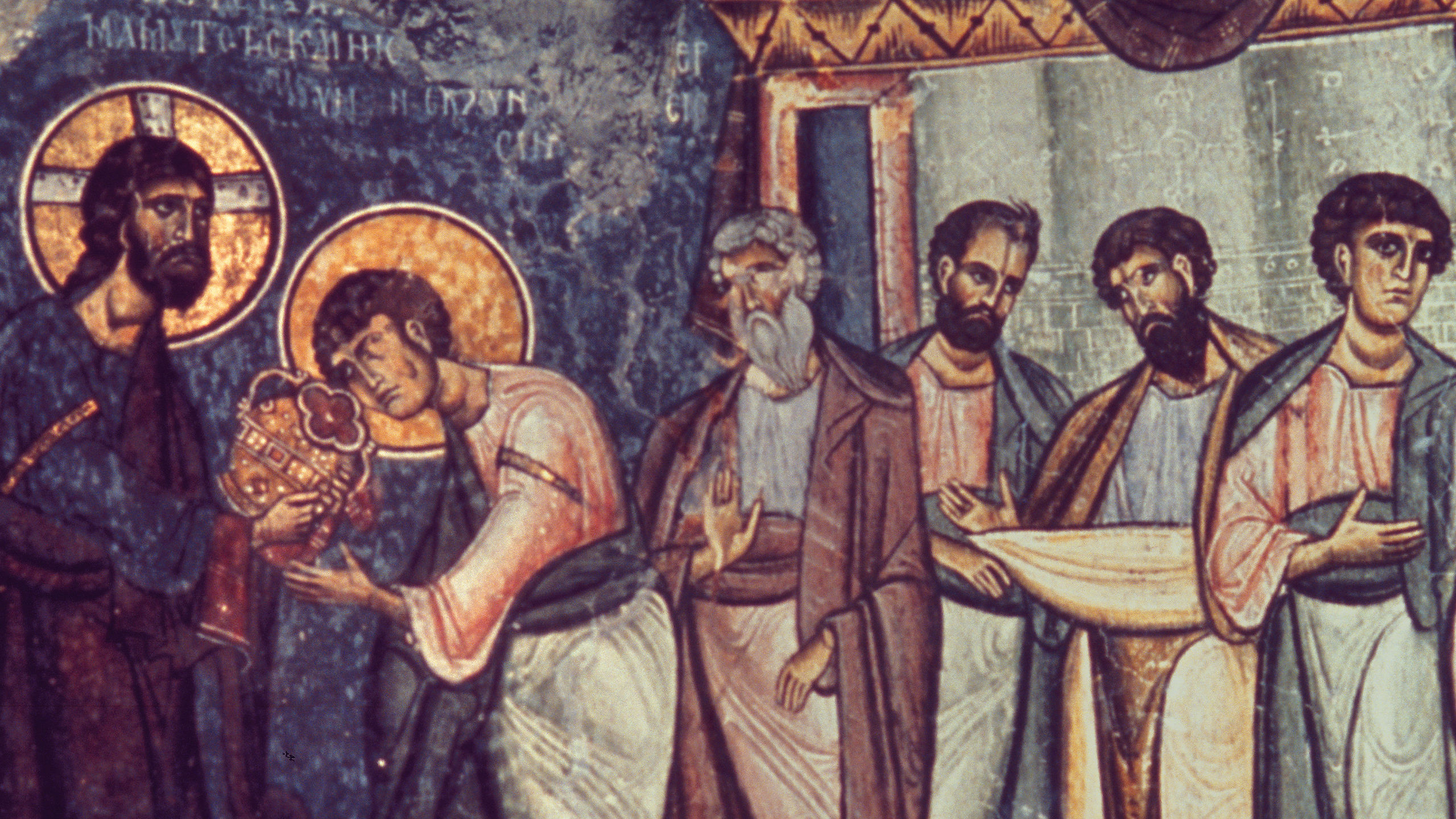
For someone familiar with Greek Orthodox liturgy, today’s performance will echo the experience of actual services, with abbreviations appropriate to a concert. At the same time, those new to the form may experience the performance as though it were liturgically complete even with the adjustments made for a concert context. Cappella Romana presents here the
-
Memory Eternal: Lycourgos Angelopoulos
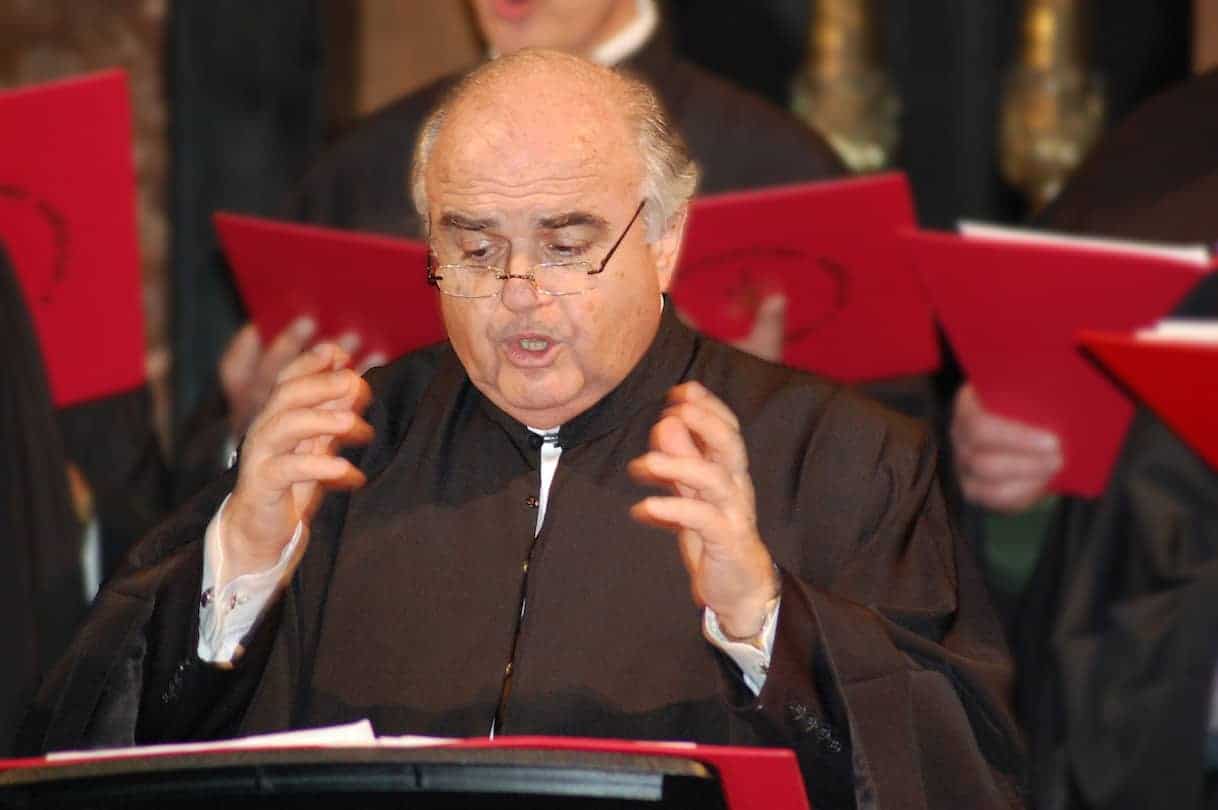
A great friend of Cappella Romana, the Byzantine cantor and teacher Lycourgos Angelopoulos died on Sunday. Memory Eternal. Mr. Angelopoulos was the teacher of Dr. Alexander Lingas, and in many respects was the inspiration for the founding of Cappella Romana. John Michael Boyer was also his student. Both Dr. Lingas and Mr. Boyer will attend

You must be logged in to post a comment.