-
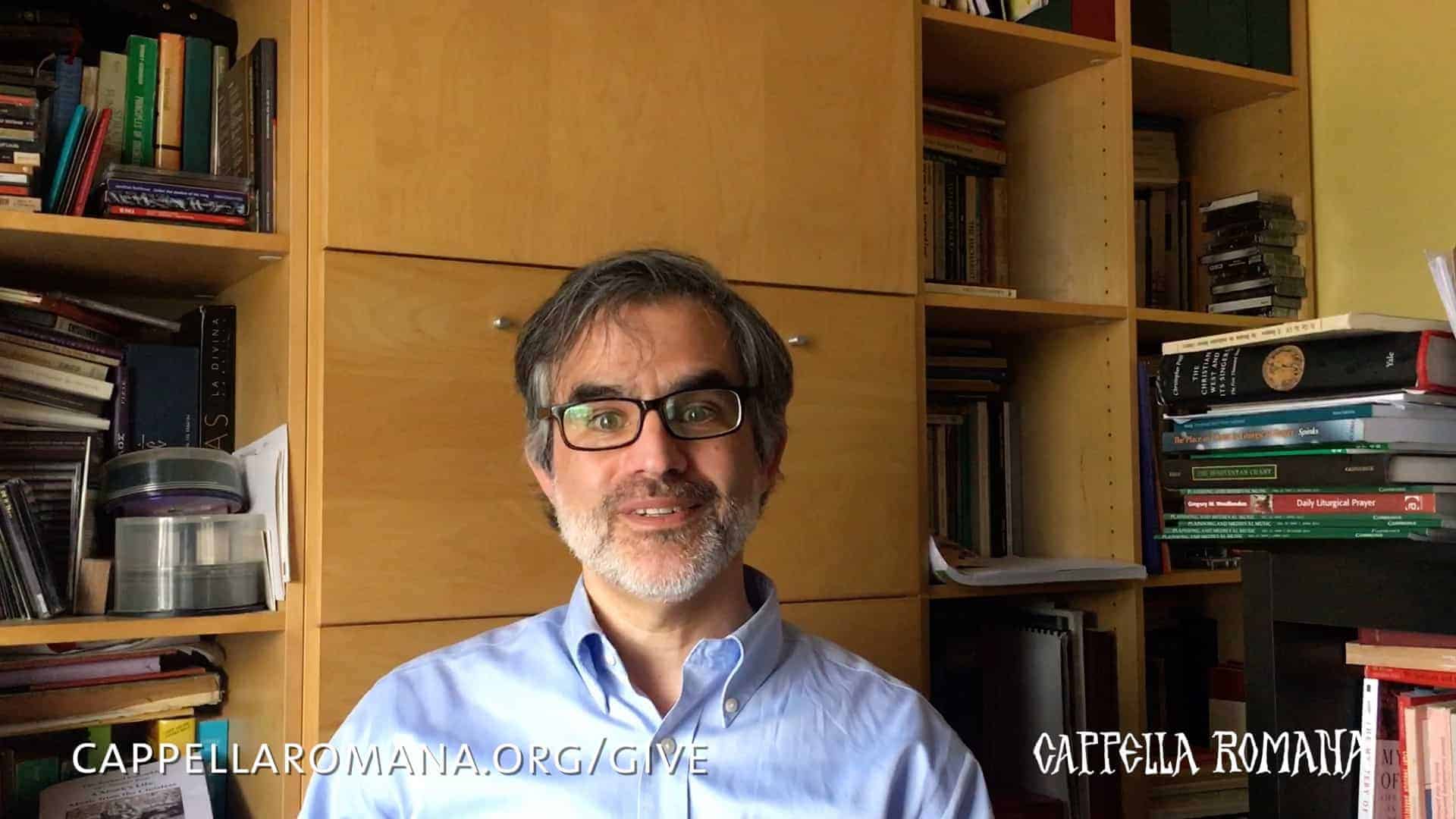
Alexander Lingas’s Cappella Romana Playlist: Holy Week 1
Welcome to the second episode in this new series of playlists from the archives of Cappella Romana. During this week and the next in 2020, Western and Eastern Christians are journeying through Holy Week – the devotionally intense period from Palm Sunday through Good Friday to Easter Sunday. This year instead of attending or, more
-
Lost Voices of Hagia Sophia is Out TODAY!
Amazon Apple Music Spotify YouTube Music Qobuz Primephonic ArkivMusic Cappella Romana Lost Voices of Hagia Sophia: Medieval Byzantine Chant Lost Voices of Hagia Sophia is the first vocal album in the world to be recorded entirely in live virtual acoustics. It brings together art history, music history, performance, and technology to re-create medieval sacred sound in
-
5-Star Blu-Ray Review for Lost Voices of Hagia Sophia
Blu-Ray.com gives our Lost Voices of Hagia Sophia Blu-Ray/CD a Five-Star Rating in a review by Jeffrey Kauffman: I’m fortunate to live in Portland, Oregon, where Cappella Romana is based, and I can tell you from personal experience their live concerts are often amazing, even if they’re not, as in this instance, absolutely drenched in
-
Kastalsky Requiem: Program Notes
Vasily Polikarpovich Titov (c.1650–c.1715) – Cherubic Hymn; Megalynarion Vasily Titov was one of two leading composers of Russian Baroque music, the other being Nikolai Diletsky (c. 1630–80). Titov’s life and work mark the mid-point of the process of Russia’s musical Westernization, which gained new momentum during the reign of Tsar Peter the Great (1689 –1725).
-
Pre-Order Lost Voices of Hagia Sophia TODAY!
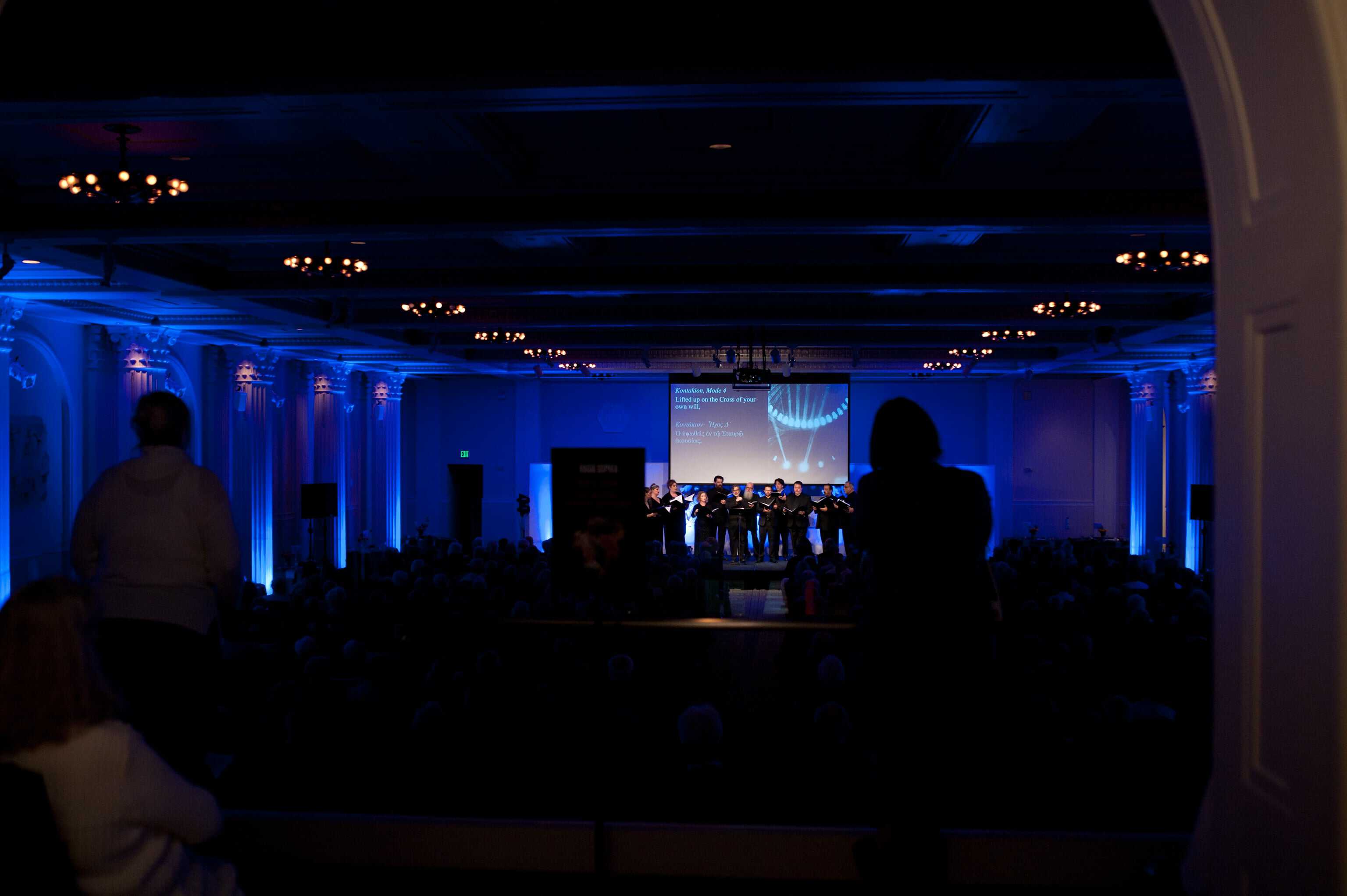
Cappella Romana’s highly anticipated recording, Lost Voices of Hagia Sophia: Medieval Byzantine Chant, is coming out on November 29! Pre-order your copy today, and help put this record on the Billboard Classical Charts. You can also add the recording to your Wishlist, and make sure to share it with your friends! Pre-Order and Help Put
-

Why Is There Water Dripping down My Face? A Night at Pop-Up Magazine.
“my whole body shivered and the tears started up.” Review from the Stranger, Seattle: Still, it wasn’t just the sad stories that triggered crying. Sam Harnett brought along the Cappella Romana choir, a vocal ensemble based in Portland that sings ancient religious chants. The singers were brilliant on their own, but then Harnett told us
-
Cappella Romana performs before 7,000 in Pop-Up Magazine Winter Issue Experience
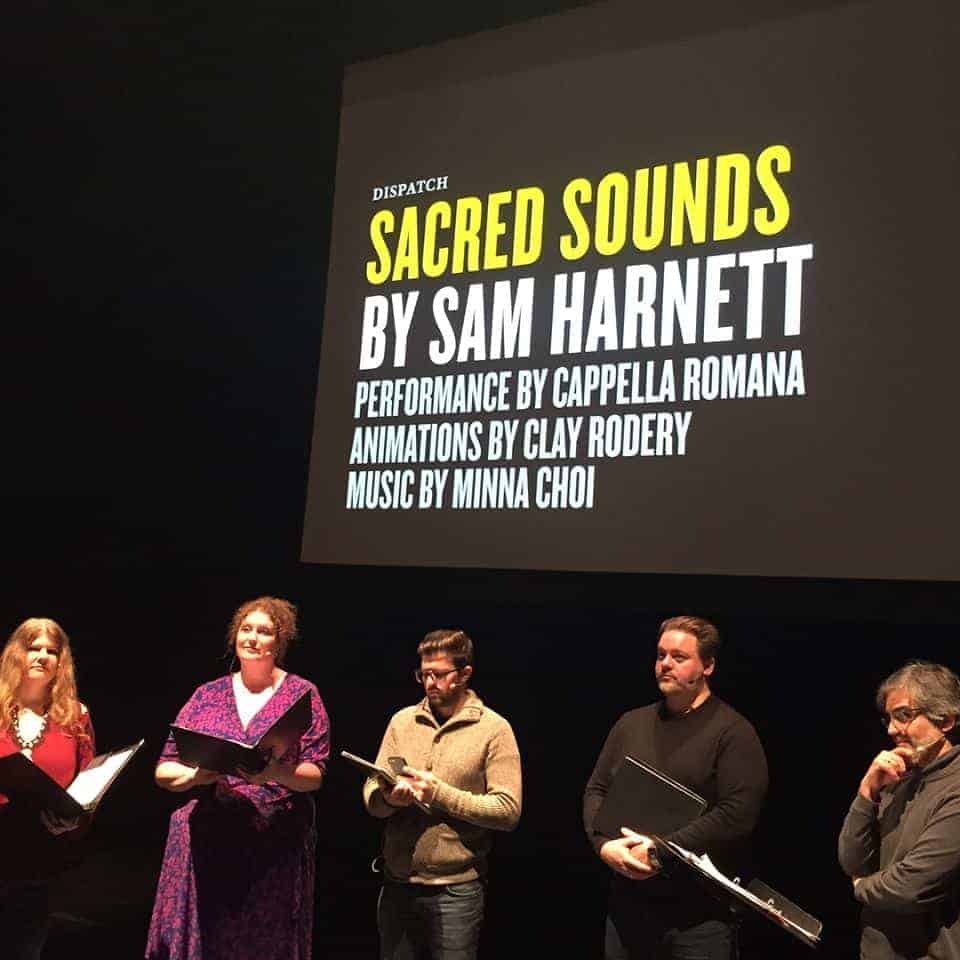
During our time with the Pop-Up Magazine this February, Cappella Romana performed medieval Byzantine chant from its Hagia Sophia program before a total of 7,000 people across three sold-out theaters in Oakland, Brooklyn, and Washington D.C. The story in which we appeared was called “Sacred Sounds,” which describes how our friends at Stanford University figured
-
Oregon Arts Watch Review for “A Song of Creation”
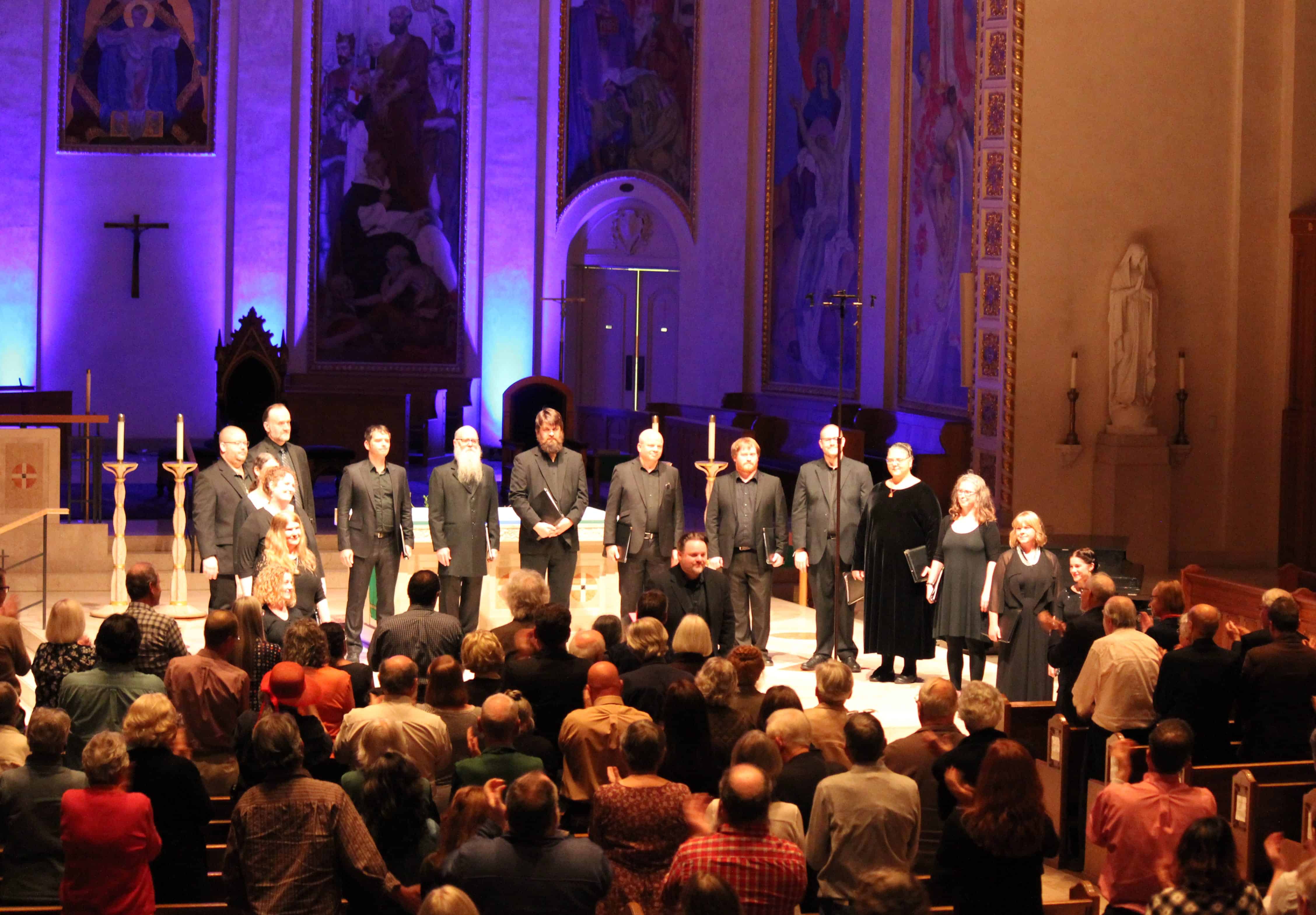
Cappella Romana’s performance…was an electrifying, bristlingly intense superabundance of laser-beam monody and…florid counterpoint in the Eastern Orthodox style. … Here, the modern music was a vivid variety of sacred choral music by contemporary composers Matthew Arndt, John Michael Boyer, Alexander Khalil, Kurt Sander, Richard Toensing, and Tikey Zes. The six composers, according to the program,
-
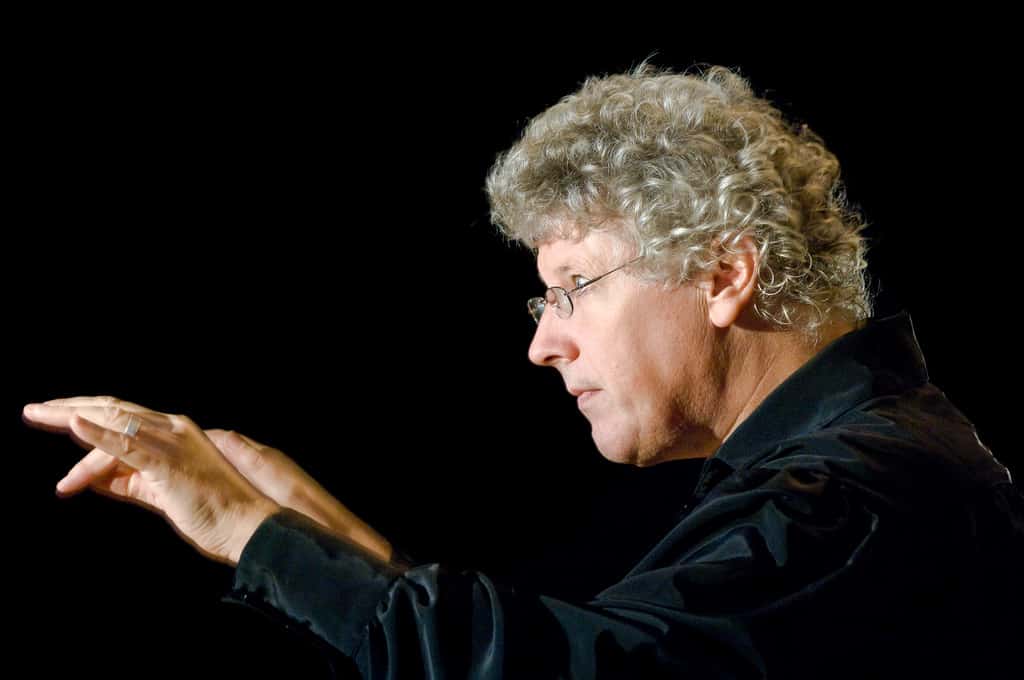
They Are At Rest – Program Notes
At the eleventh hour of the eleventh day of the eleventh month of 1918, an armistice was signed which brought to a close the greatest human conflict so far known to man. What had begun as a border dispute in the Balkan States of South-Eastern Europe in 1914, expected to last but a few weeks,
-
Alexander Lingas Receives New Title
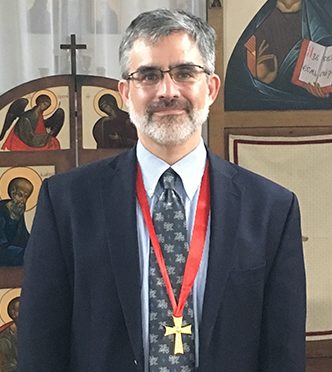
Cappella Romana artistic director Alexander Lingas has received the title of Archon Mousikodidaskalos (Music Teacher) of the Great Church of Christ on behalf of His All-Holiness, Bartholomew I, Archbishop of Constantinople-New Rome and Ecumenical Patriarch. Dr. Lingas said “I am humbled to receive this title from His All-Holiness, Ecumenical Patriarch Bartholomew I. I am also
-
Venice in the East
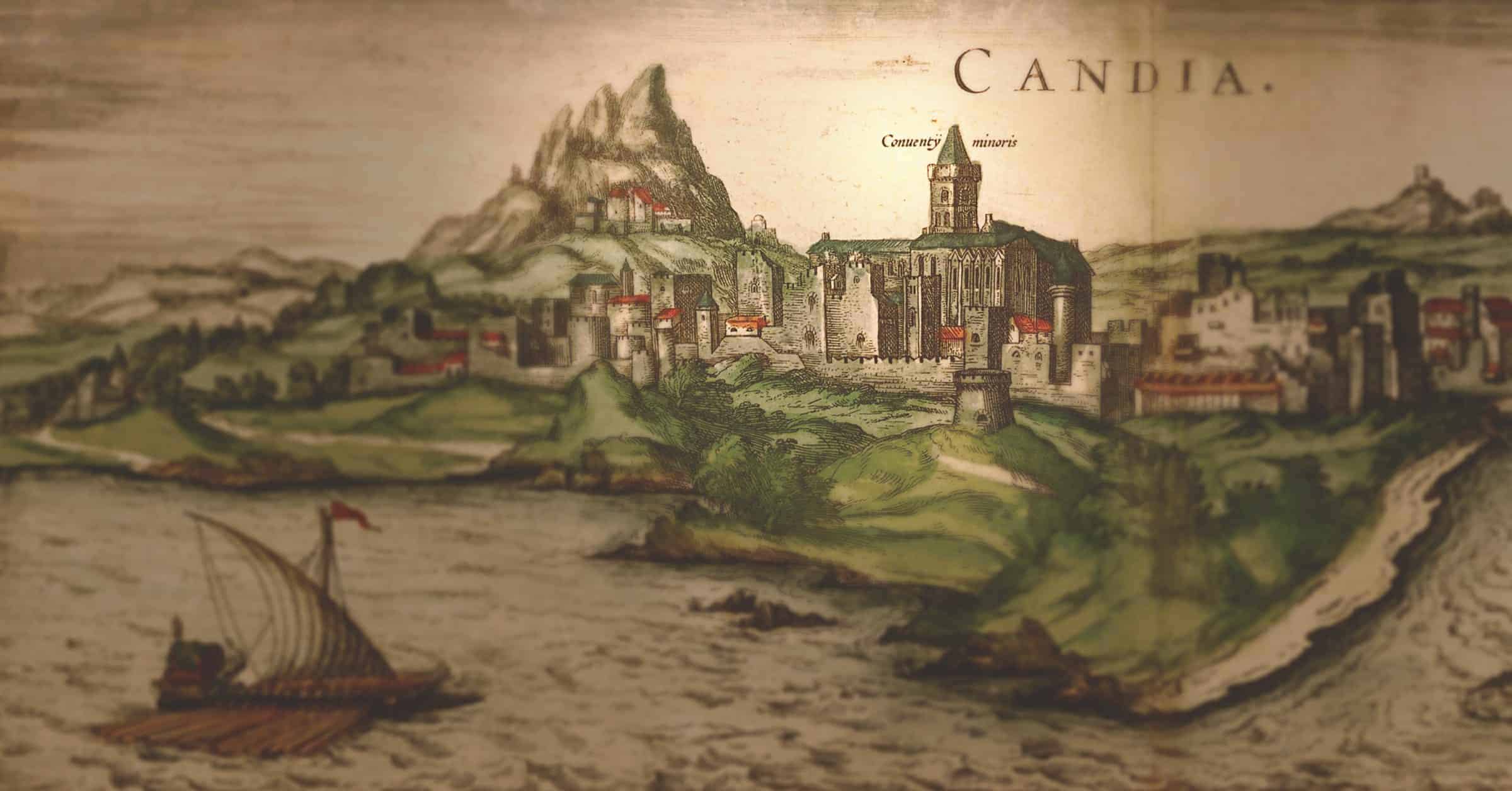
Venice In The East: April 27-29, 2018 Program Notes by Alexander Lingas From its emergence as a significant political entity in the sixth century under the rule of the Eastern Roman (“Byzantine”) Empire to the dissolution of the Republic by Napoleon in 1797, the city of Venice remained closely tied to the Greek East. Following
-
Ivan Moody Talks Akáthistos Hymn With iClassics
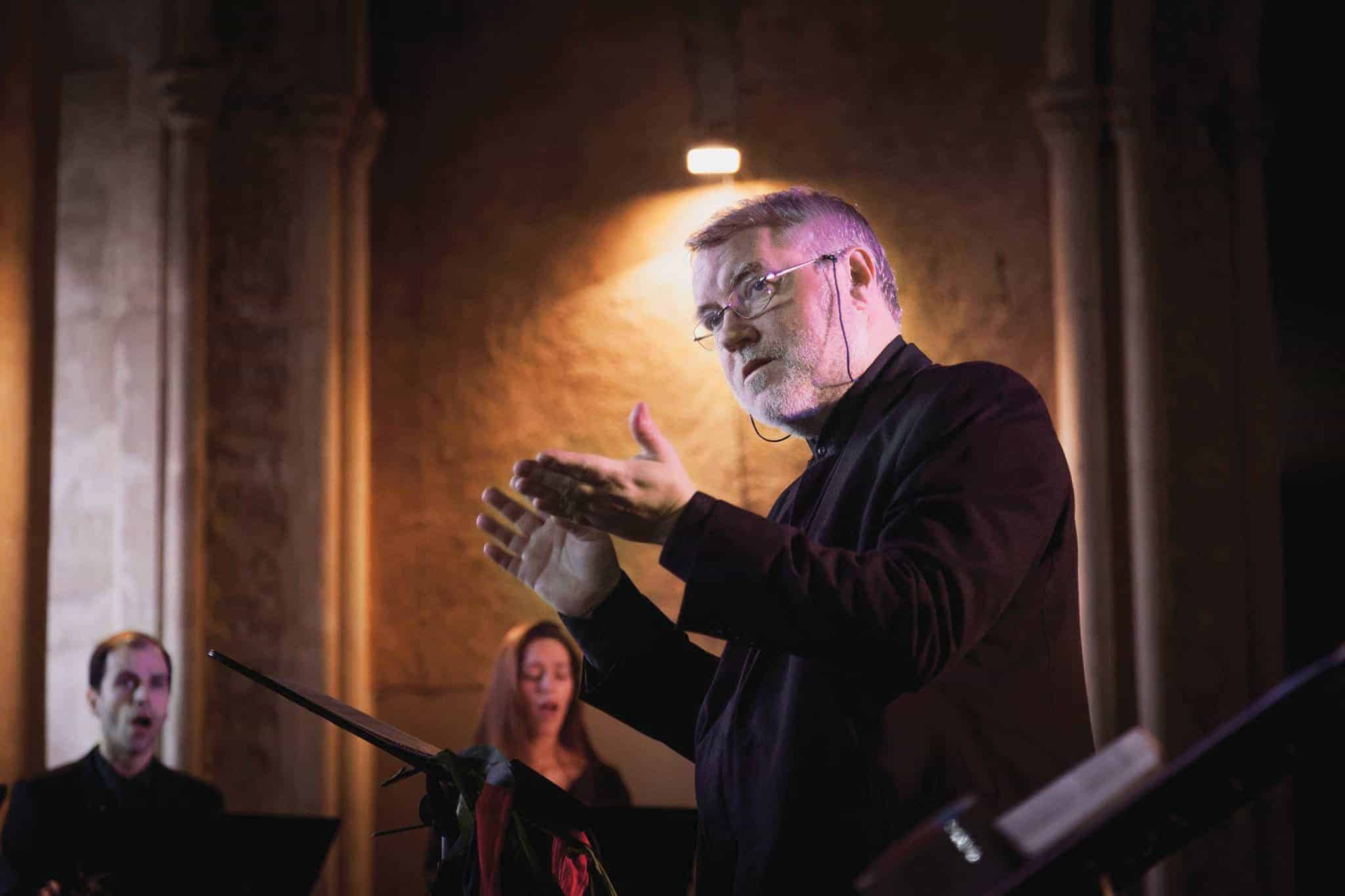
“The harmonies are lush and dark in Russian style, though periodically the shadows disperse as in a cloud-break and the sound brightens. The effect over the whole hymn is of a slow revelation of light and warmth over an ancient musical ground.” (Willamette Week) “Something new, substantial, and profound” (Sunday Oregonian) Standing Room Only — Ivan

You must be logged in to post a comment.