-
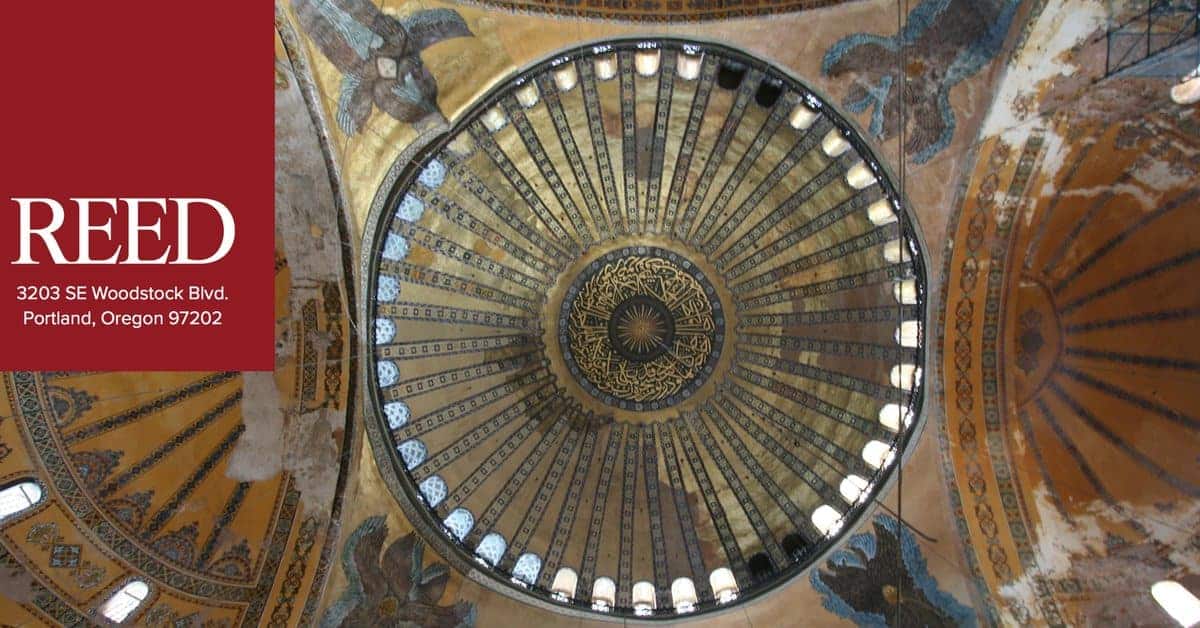
Hagia Sophia: A Space In Between Heaven and Earth
Professor Bissera Pentcheva presents Hagia Sophia: A Space In Between Heaven and Earth at Reed College Tuesday, November 15, 2016 – 4:45pm Eliot Hall 314 Free and open to the public More Information ** This event follows Cappella Romana’s residency with Dr. Pentcheva at Stanford, where the ensemble performed medieval Byzantine chant from Hagia Sophia
-
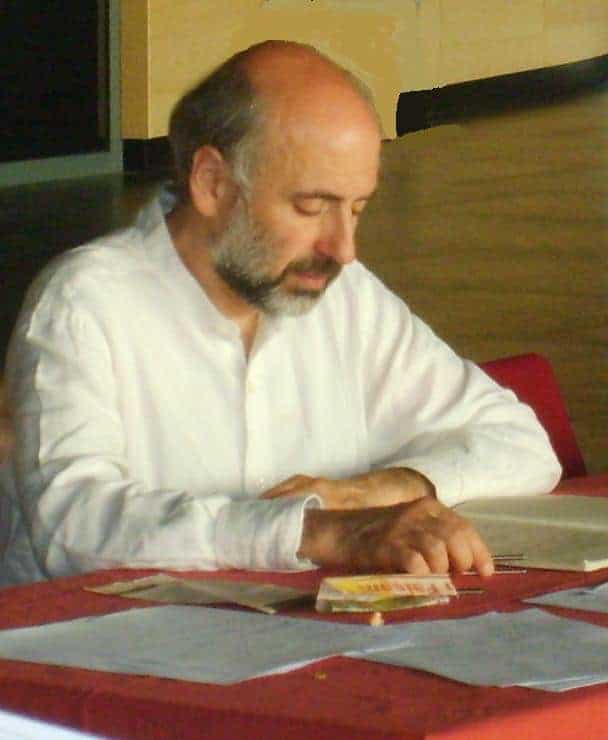
About Ensemble Organum
We are very excited about our upcoming concert featuring Marcel Pérès, so we wanted to share a little about his own ensemble — Ensemble Organum! The Organum Ensemble was founded in 1982 by Marcel Pérès at Sénanque Abbay (France) and has been supported since 1984 by the Fondation Royaumont. The Ensemble develops programmes which combine
-
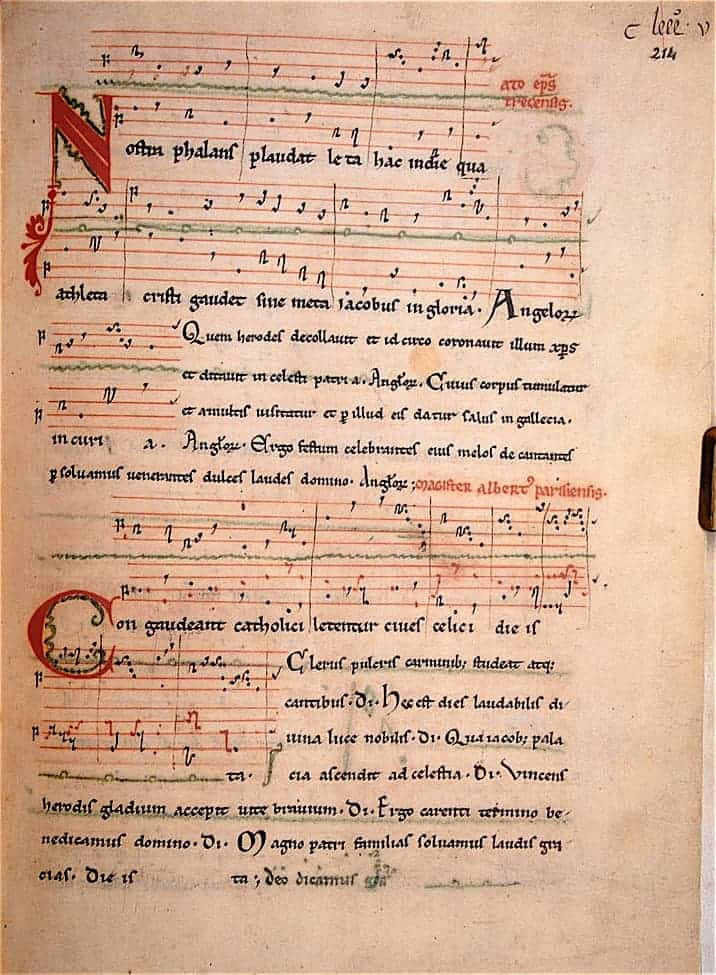
Marcel Pérès offers program notes for Codex Calixtinus Concert
Ibi barbare gentesomnium mundi climatumcatervatim occurrunt,munera laudis Domino deferentes, Alleluia Foreign nations hasten therefrom all over the world,bringing with them gifts of praiseto the Lord. Alleluia!(First antiphon, Vespers of St James) Since the ninth century the apostle St James has been the object of great faith and fervour in the Western Christian world. Even today
-
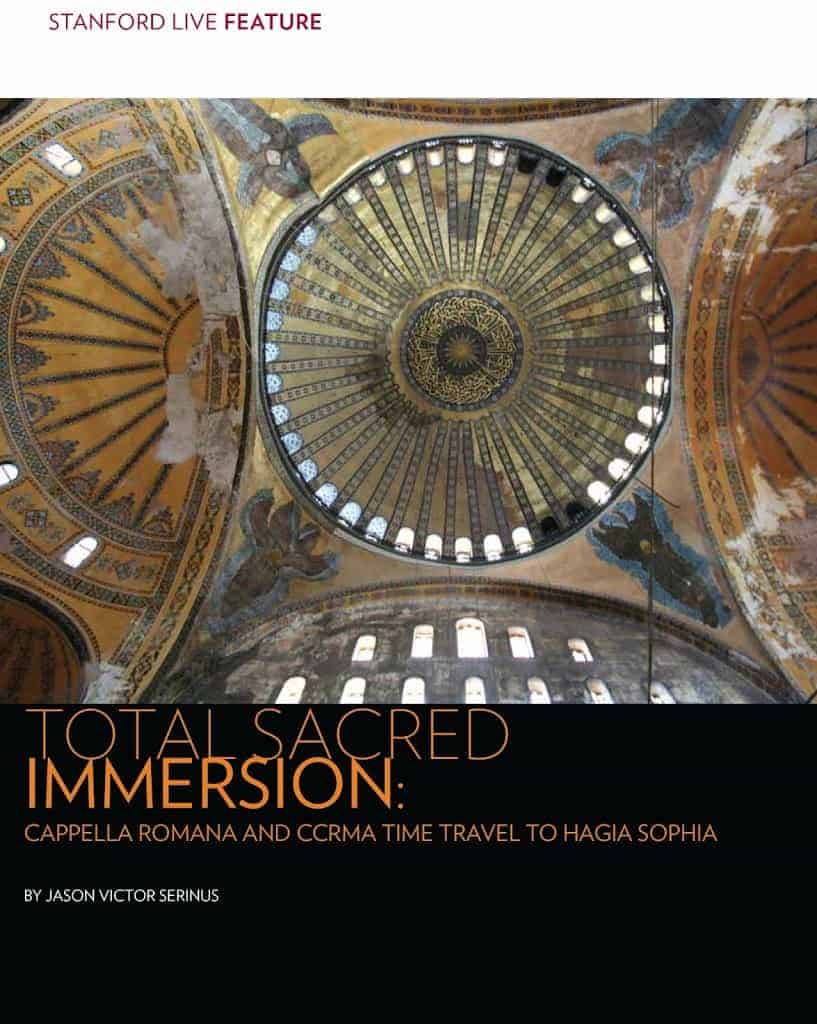
Cappella Romana and CCRMA Time Travel to Hagia Sophia
Stanford Live Magazine has a fantastic article chronicling the process of re-creating the Hagia Sophia in our upcoming “From Constantinople to California” performance. Read the introduction by author Jason Victor Serinus here, and then find the full article at www.livelyarts.stanford.edu! Total Sacred Immersion: Cappella Romana and CCRMA Time Travel to Hagia Sophia The universe may
-
Kastalsky Requiem: Program Notes
Vasily Polikarpovich Titov (c.1650–c.1715) – Cherubic Hymn; Megalynarion Vasily Titov was one of two leading composers of Russian Baroque music, the other being Nikolai Diletsky (c. 1630–80). Titov’s life and work mark the mid-point of the process of Russia’s musical Westernization, which gained new momentum during the reign of Tsar Peter the Great (1689 –1725).
-
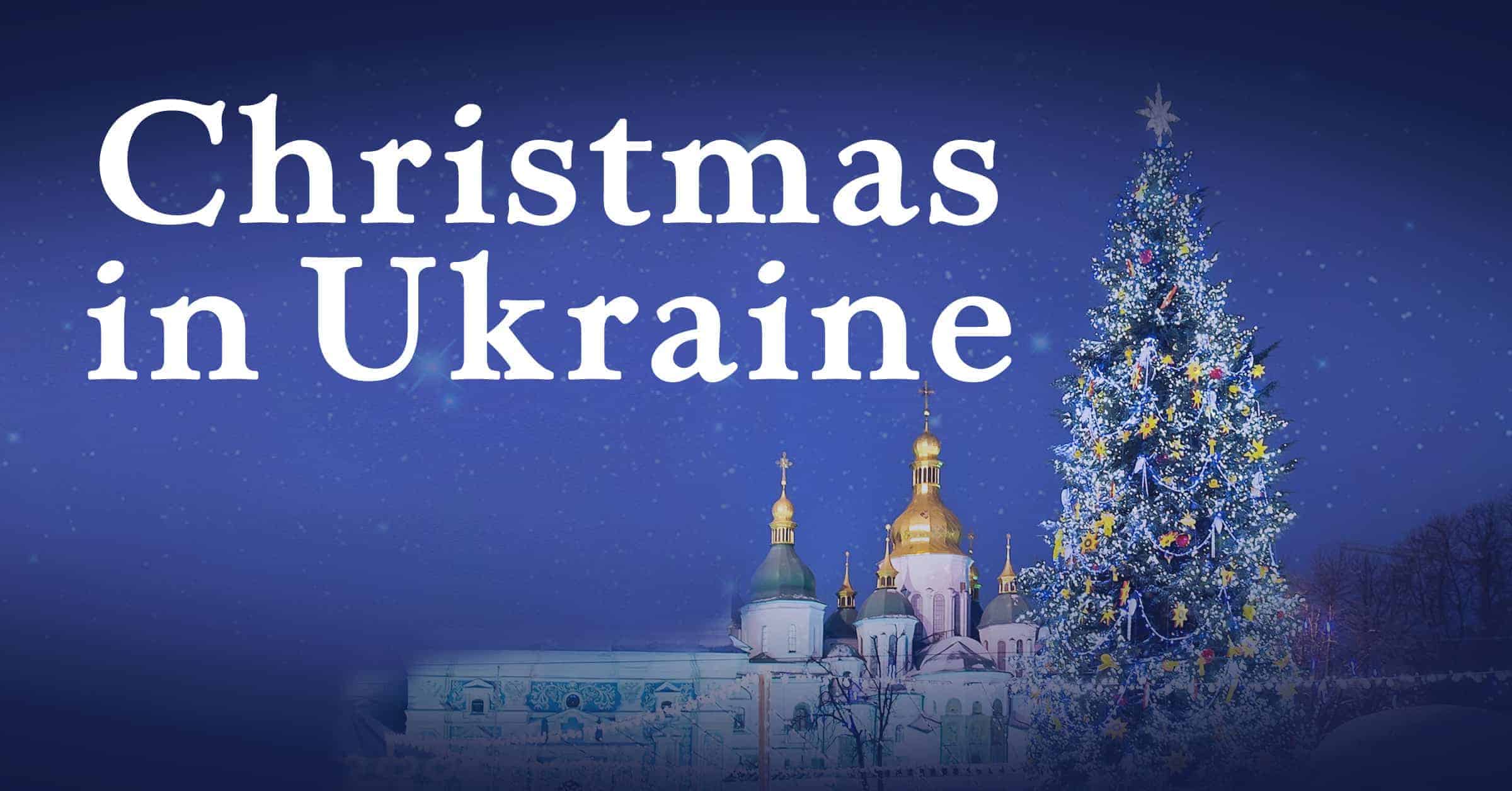
Christmas in Ukraine
Khrïstos razhdayetsia! Slavite yeho! Christ is born! Glorify Him! When Cappella Romana invited me to prepare this concert “Christmas in Ukraine,” a wealth of musical memories came into my imagination. Since I am of Ukrainian descent, I felt instant inspiration and also a sense of responsibility. How can I represent the many centuries of Ukraine’s sacred
-
Machaut: Messe de Nostre Dame
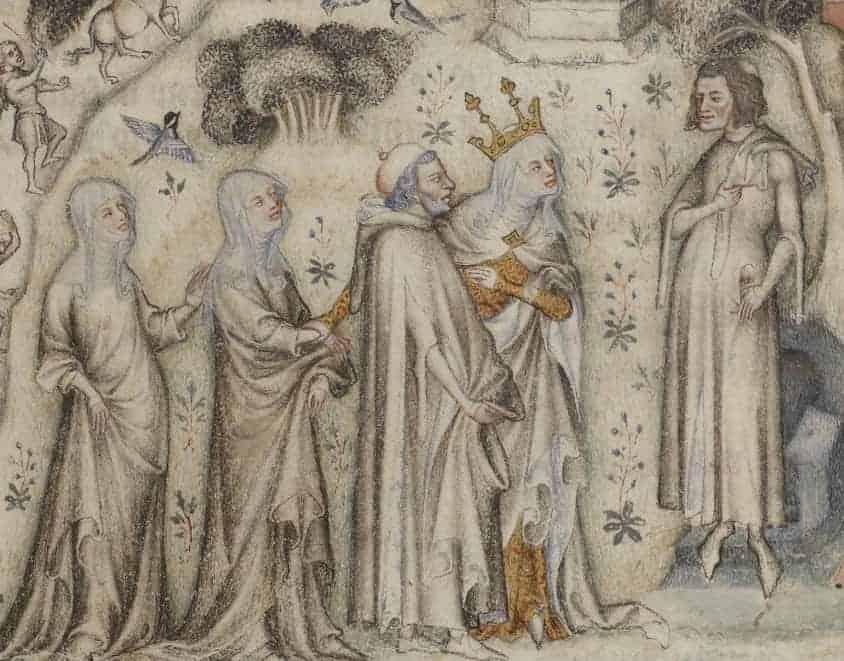
Guillaume de Machaut (1300-1377) Guillaume de Machaut’s Messe de Nostre Dame (c. 1360-65) began to attract great interest during the 20th century. It is the first mass composed for four voices with a known composer, and as such, it is widely considered to mark the beginning of a new musical era. In addition, Machaut himself
-
The Russian Chant Revival
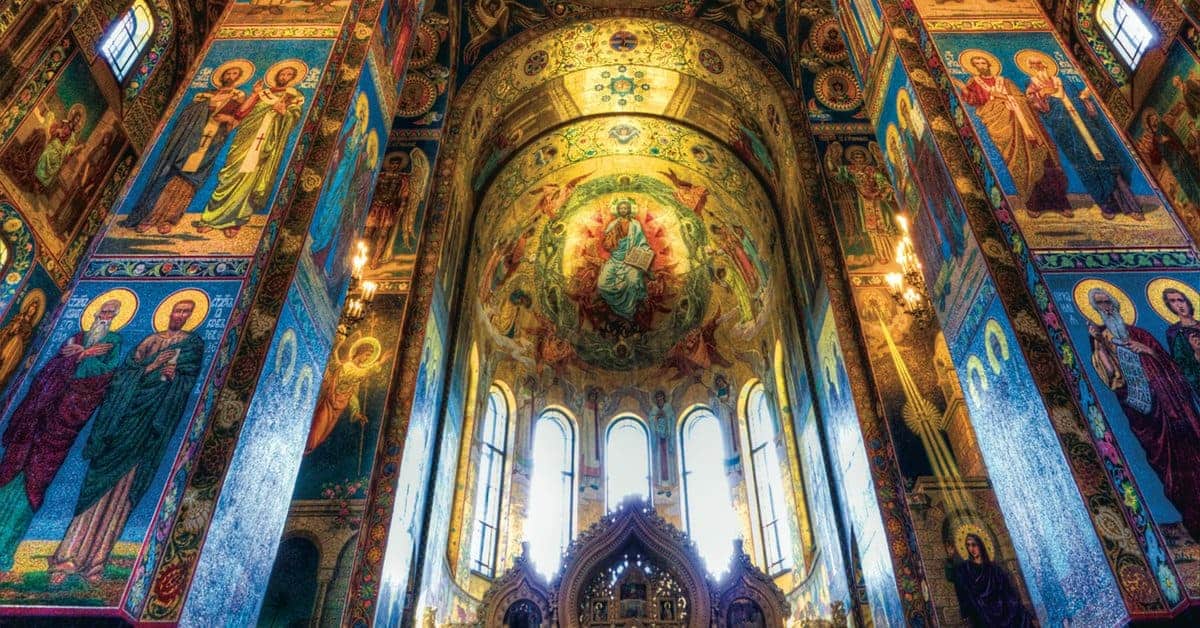
Major traditions of complex sacred music throughout Europe were shaped during the so-called “long nineteenth century” (the period of relative peace which lasted from the battle of Waterloo to the outbreak of World War I) by movements to recover elements of early traditions for modern use. These efforts, like contemporary “back-to-roots” endeavors in non-musical arts
-
Early Music America: Reveling in Byzantine Chant
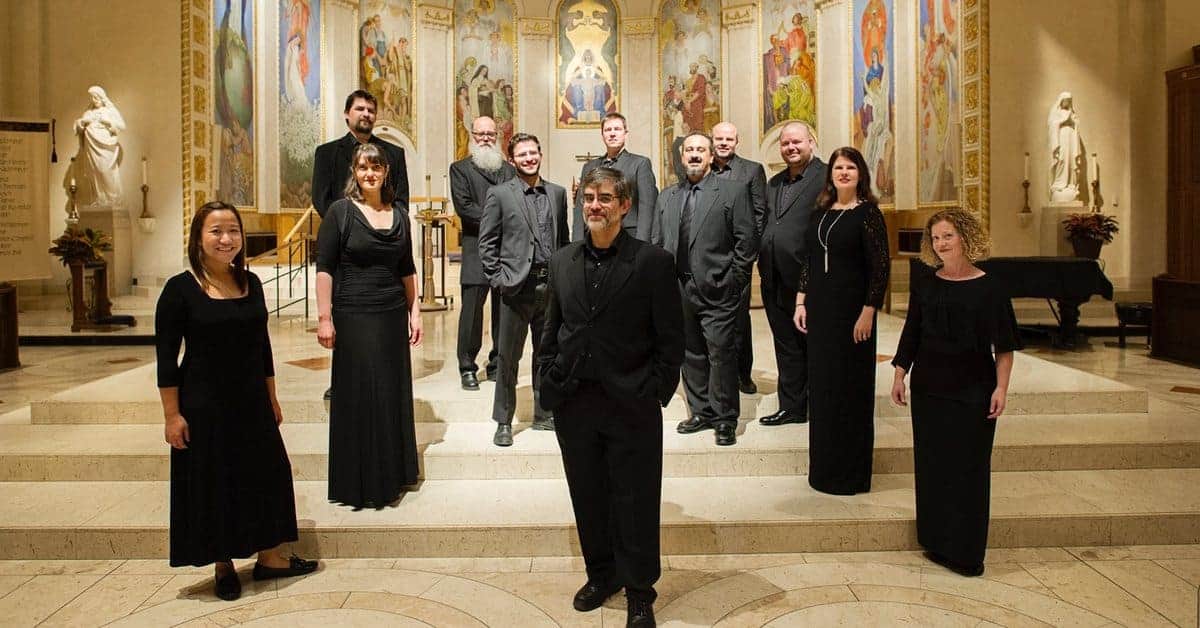
Philippa Kiraly has published a wonderful feature including reviews and interviews with Mark Powell and Alexander Lingas in honor of our 25th Season, as well as a preview of our upcoming Hagia Sophia “Icons of Sound” recording: “Cappella Romana opened its 25th season in October in Seattle and Portland with “Icons of Sound: Byzantine Chant
-
Cyprus — The Ars nova and its Byzantine Counterpart
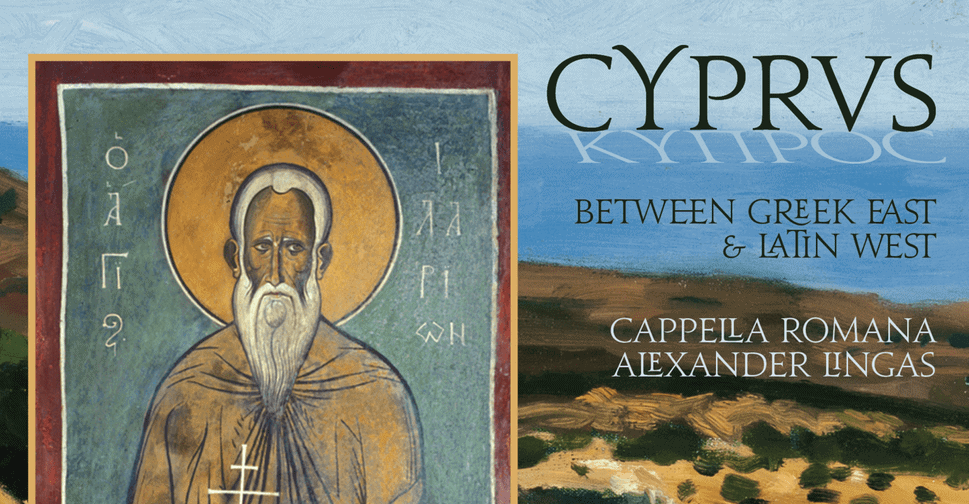
Latin and Greek sacred music of the Middle Ages shared both roots in the Christian psalmody of Roman Late Antiquity and a common inheritance of Ancient Greek musical theory. Despite centuries of troubled relations between Byzantine Christianity and the Church of Rome that went from bad to worse with the Crusader sack and occupation of
-
Meet Bogdan Djaković
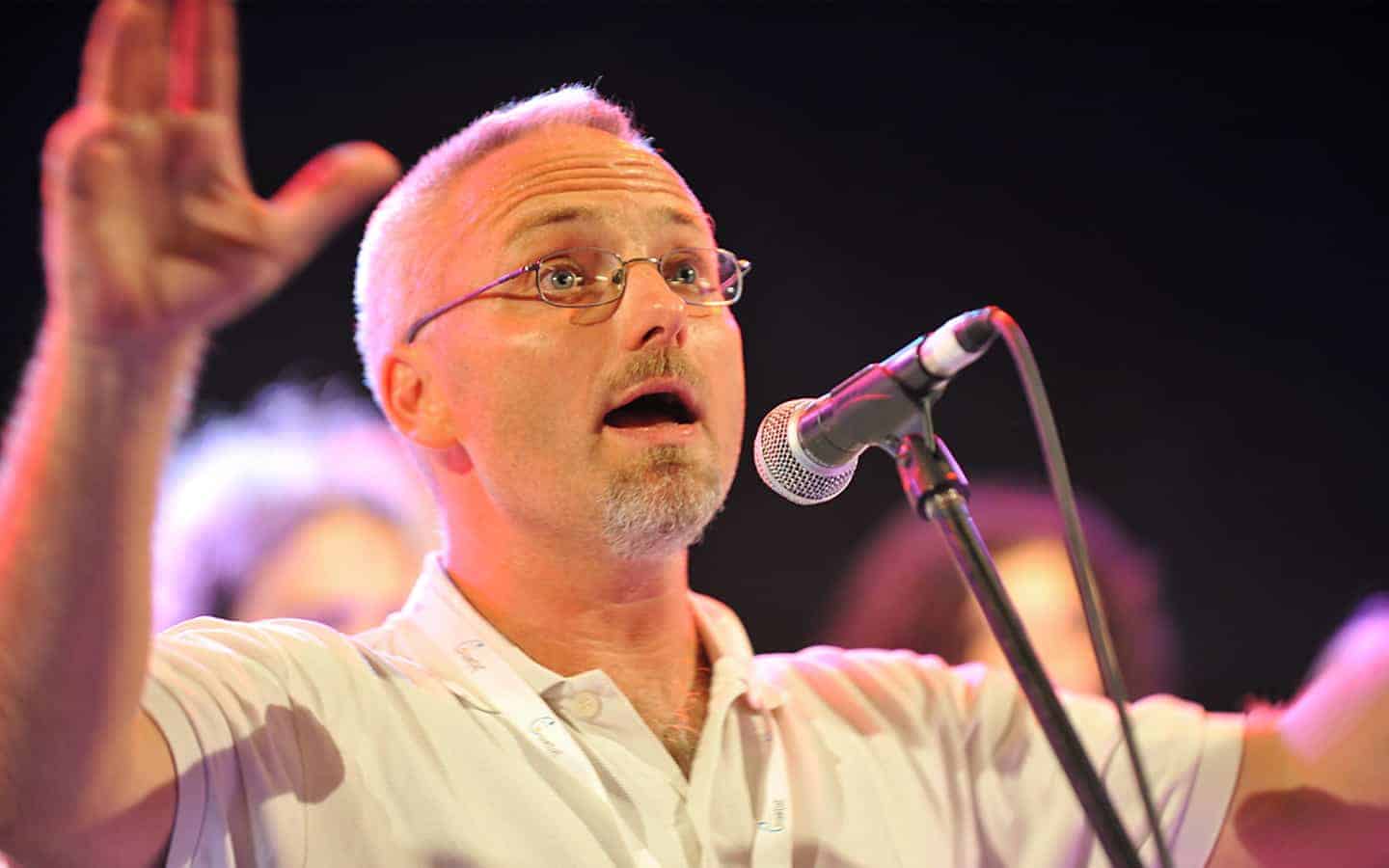
Now in his 27th season directing the Choir of St. George’s Cathedral in Novi Sad, Serbia, Bogdan Djaković is one of the world’s leading experts in Serbian Orthodox Choral Music. Bogdan Djaković has established himself as an international director, leading performances in Italy, Great Britain, France, Spain, Germany, Greece, Slovenia, Croatia, Portugal, Switzerland and Sweden.
-
More on Ensemble Organum and Marcel Peres
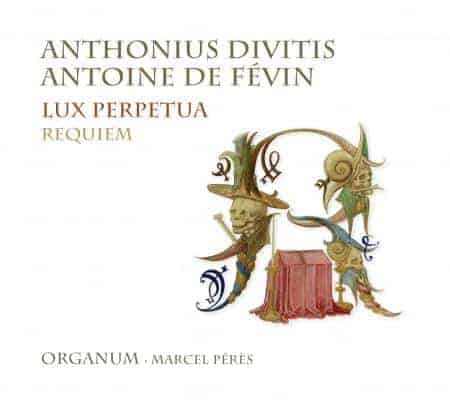
About Ensemble Organum’s last record: Requiem of Divitis (16th century) For thirty years now, the vocal ensemble Organum has slowly but surely, far from the eye of the public at large, pieced together a veritable history of the singing of sacred music. With this new disc, Organum adds yet another layer to the knowledge of

You must be logged in to post a comment.