-
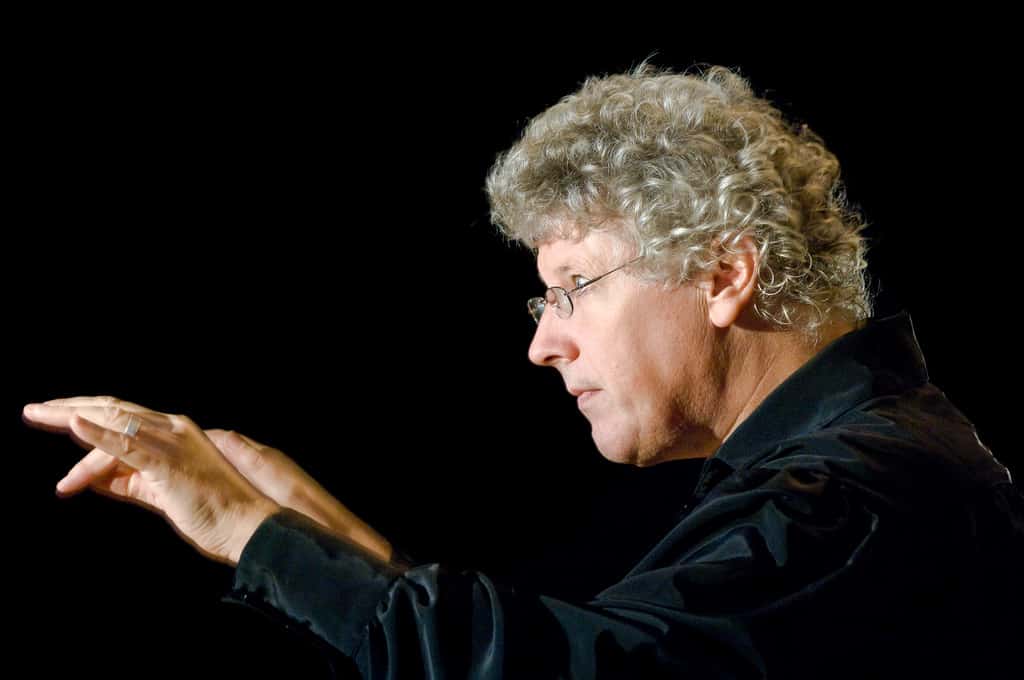
They Are At Rest – Program Notes
At the eleventh hour of the eleventh day of the eleventh month of 1918, an armistice was signed which brought to a close the greatest human conflict so far known to man. What had begun as a border dispute in the Balkan States of South-Eastern Europe in 1914, expected to last but a few weeks,
-
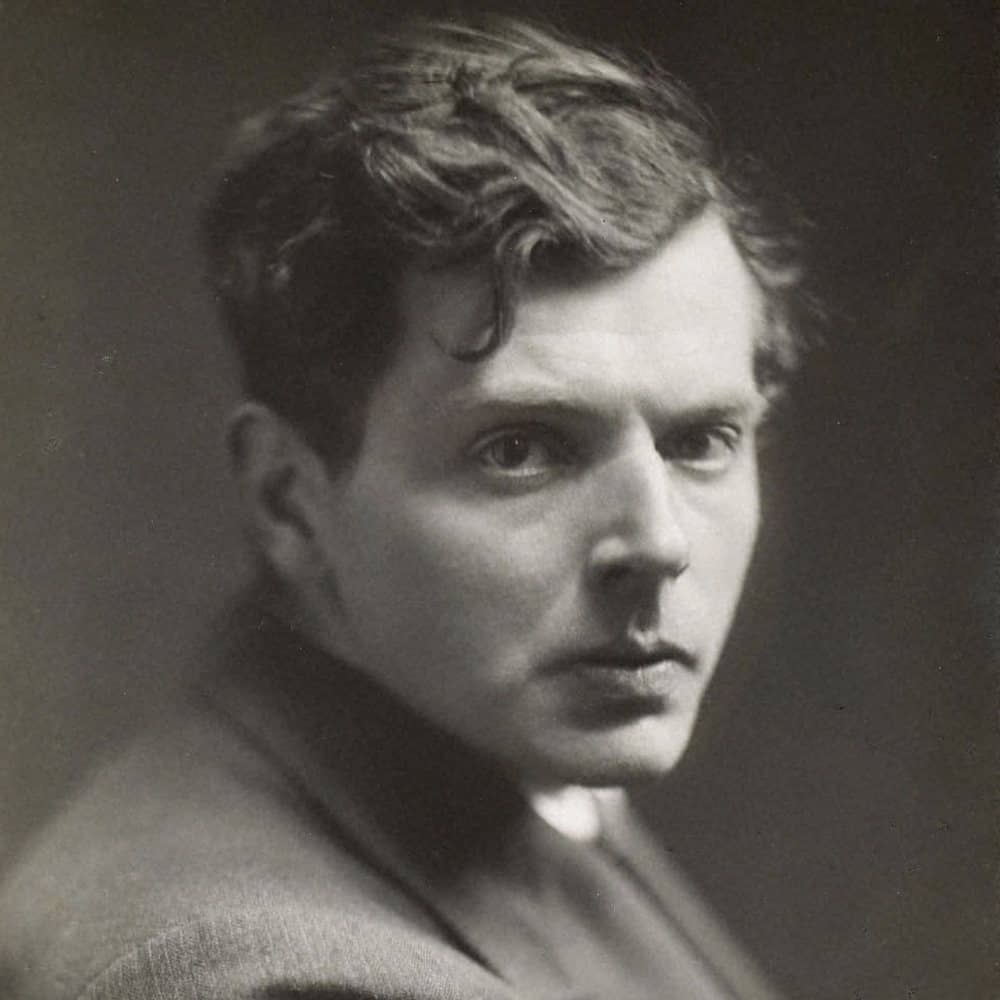
Ivor Gurney: “Since I Believe”
Choir & Organ Magazine has a wonderful feature on the recent publication of Ivor Gurney’s Since I Believe in God the Father Almighty Motet. Cappella Romana is excited to be giving the North American premiere performance on our They Are At Rest series November 9 and 11, 2018: “Composed in June 1925, the motet for
-
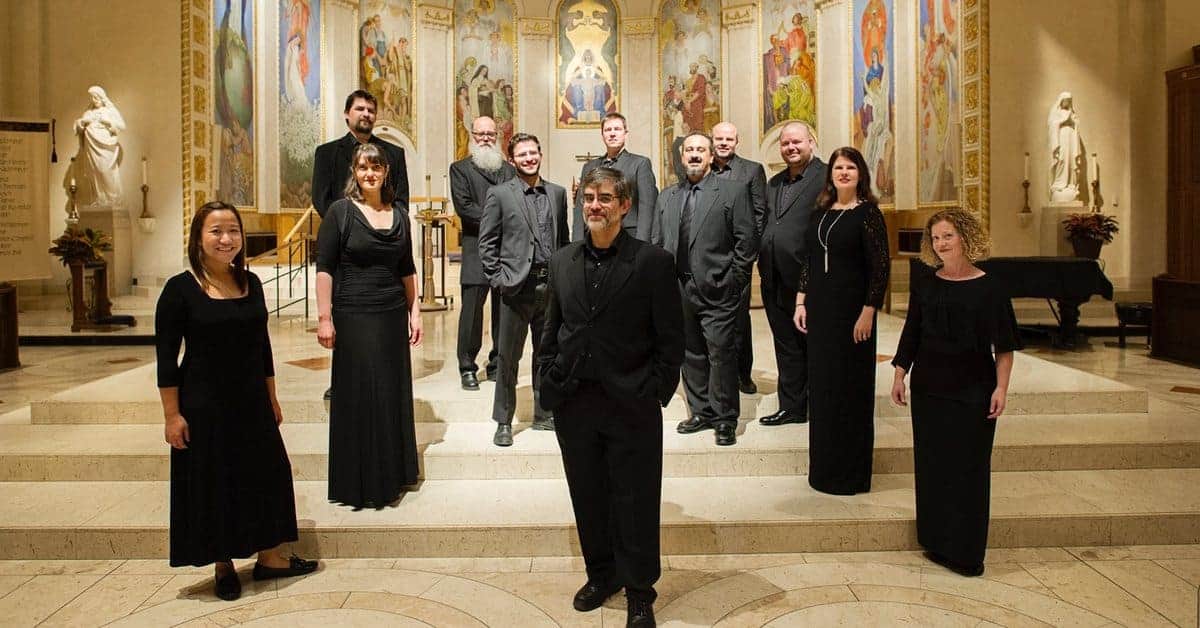
The Oregonian Explores Cappella Romana’s History
Brett Campbell explores Cappella Romana’s history in The Oregonian before this weekend’s 25th Anniversary Celebrations: “When Alexander Lingas moved to San Francisco in 1990, the Greek Orthodox cathedral where he’d just been appointed associate cantor lay in ruins, devastated by the 1989 Loma Prieta earthquake. Lingas wanted to help the church rebuild – and the
-
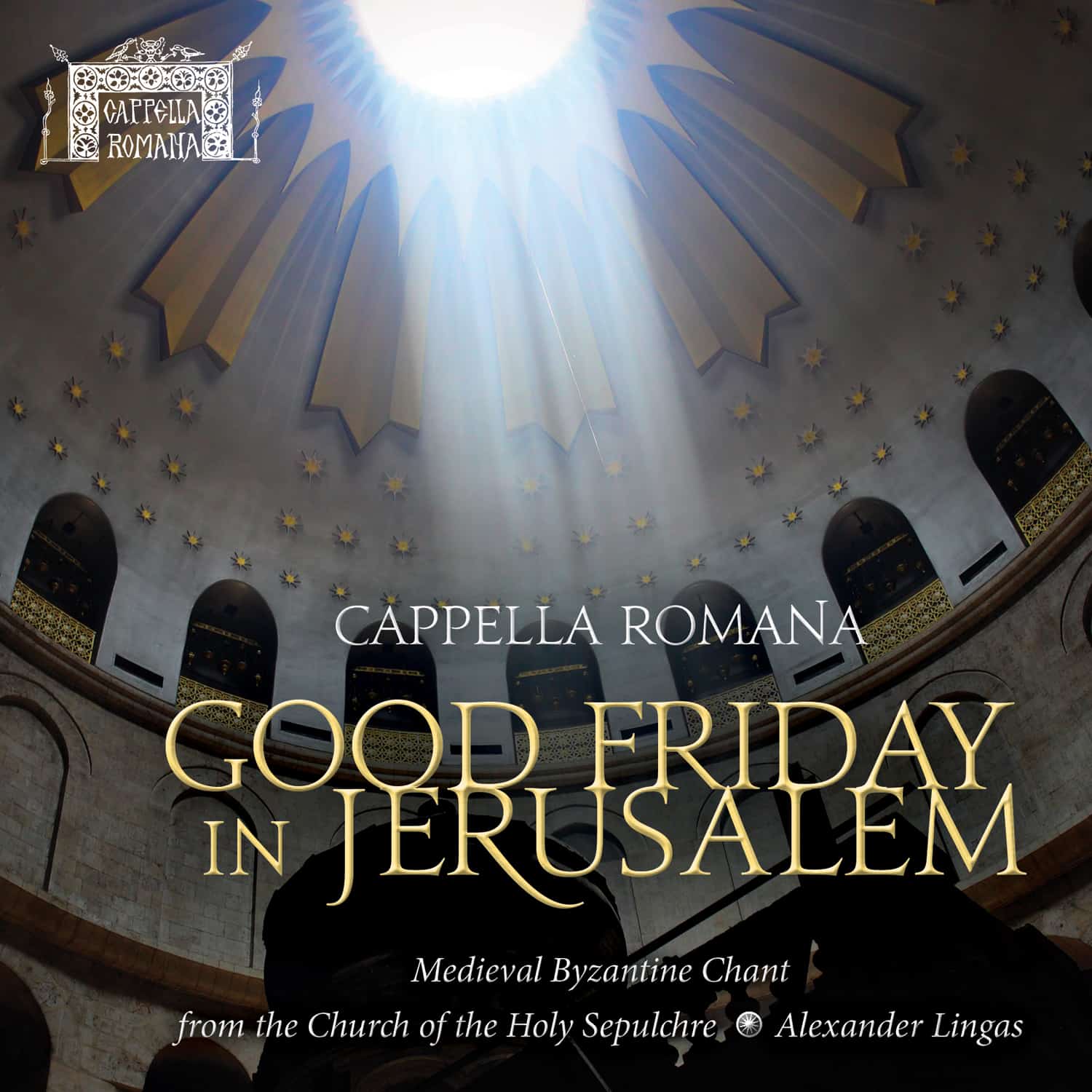
Orthodox Arts Journal Review for Good Friday
The Orthodox Arts Journal asks “How can music be alive?” in On History and Tradition: A Review of Cappella Romana’s “Good Friday in Jerusalem”. “Good Friday in Jerusalem is no exception to the level of quality that audiences have come to expect from Cappella Romana’s recordings; the singing on the disc is at once rich,
-
Good Friday In Jerusalem Liner Notes
In the year 637 AD the orthodox Christian Patriarch Sophronios (d. 638) surrendered Byzantine Jerusalem to the Arab Caliph Umar, inaugurating a period of Muslim rule in the Holy City that would last until its conquest by Latin Crusaders in 1099. Although subject to tribute, Jerusalem’s Christian inhabitants retained the right to continue celebrating both
-
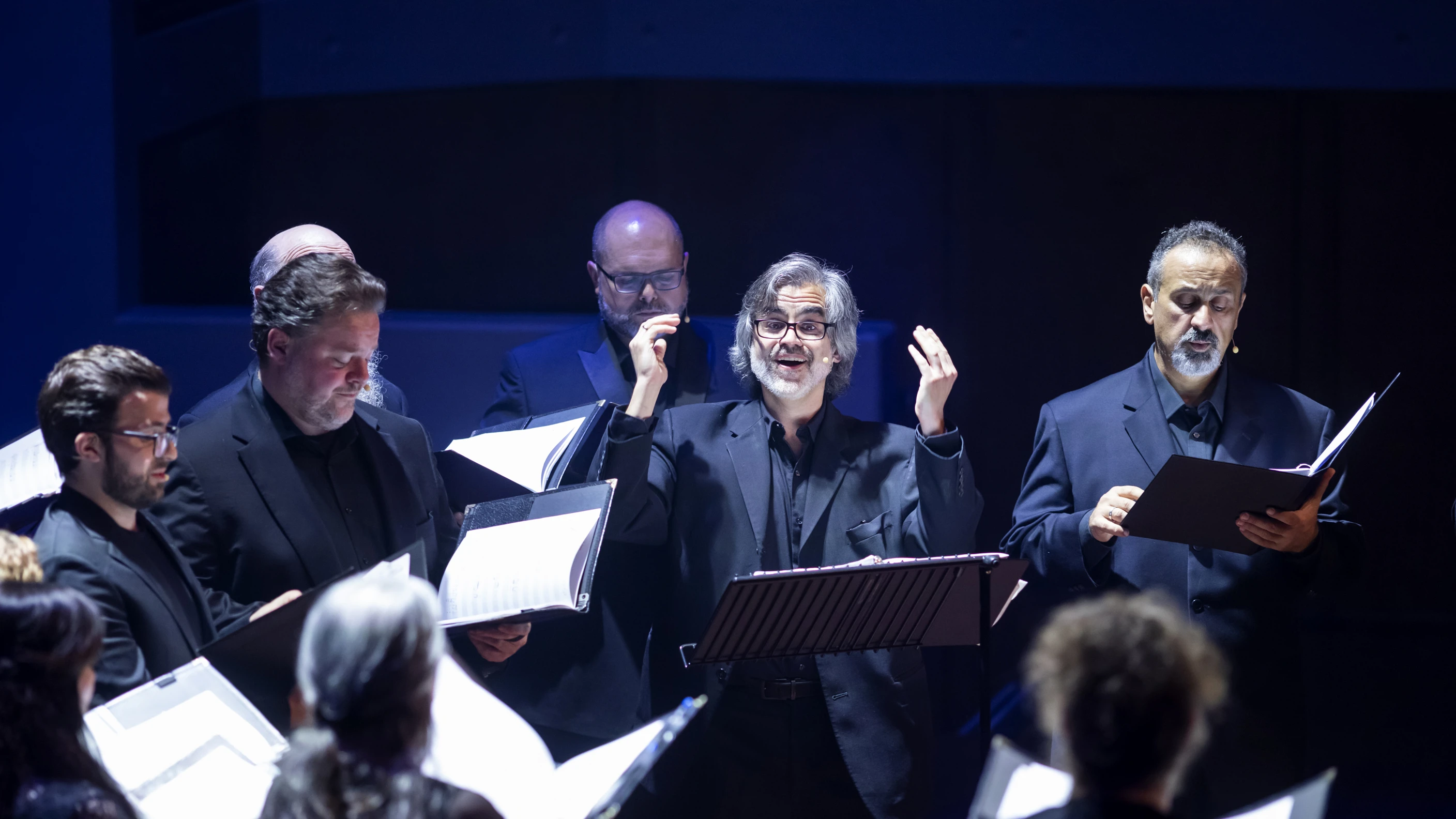
After 35 years, founder Alexander Lingas retires as Music Director of celebrated vocal ensemble Cappella Romana
Founder and Music Director Alexander Lingas will move into a new role as Music Director Emeritus this spring, passing the baton to a new generation while redirecting his focus towards academic work. Dr. Lingas will conduct the final concerts of Cappella Romana’s current season on March 6 and 7, 2026, featuring Maximilian Steinberg’s extraordinary Passion
-
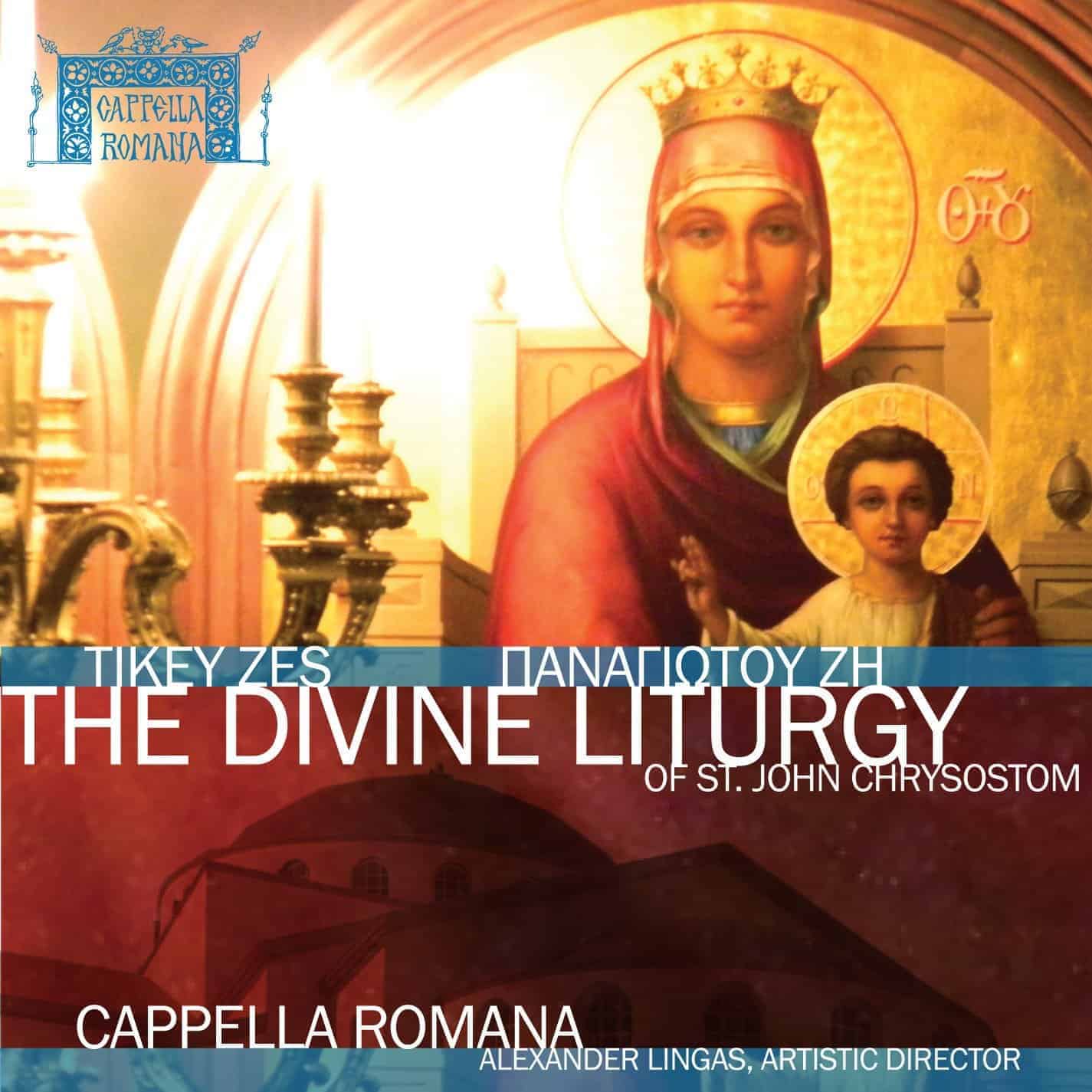
Echoes of the Renaissance — Program Notes
In his magisterial The Rise of European Music, 1380–1500, Reinhard Strohm traces the development and dissemination of complex styles of music written with multiple voice parts using measured (‘mensural’) notation that enabled precise rhythmic coordination of the voices. By the middle of the fifteenth century the most notable centers for the production of this polyphonic
-
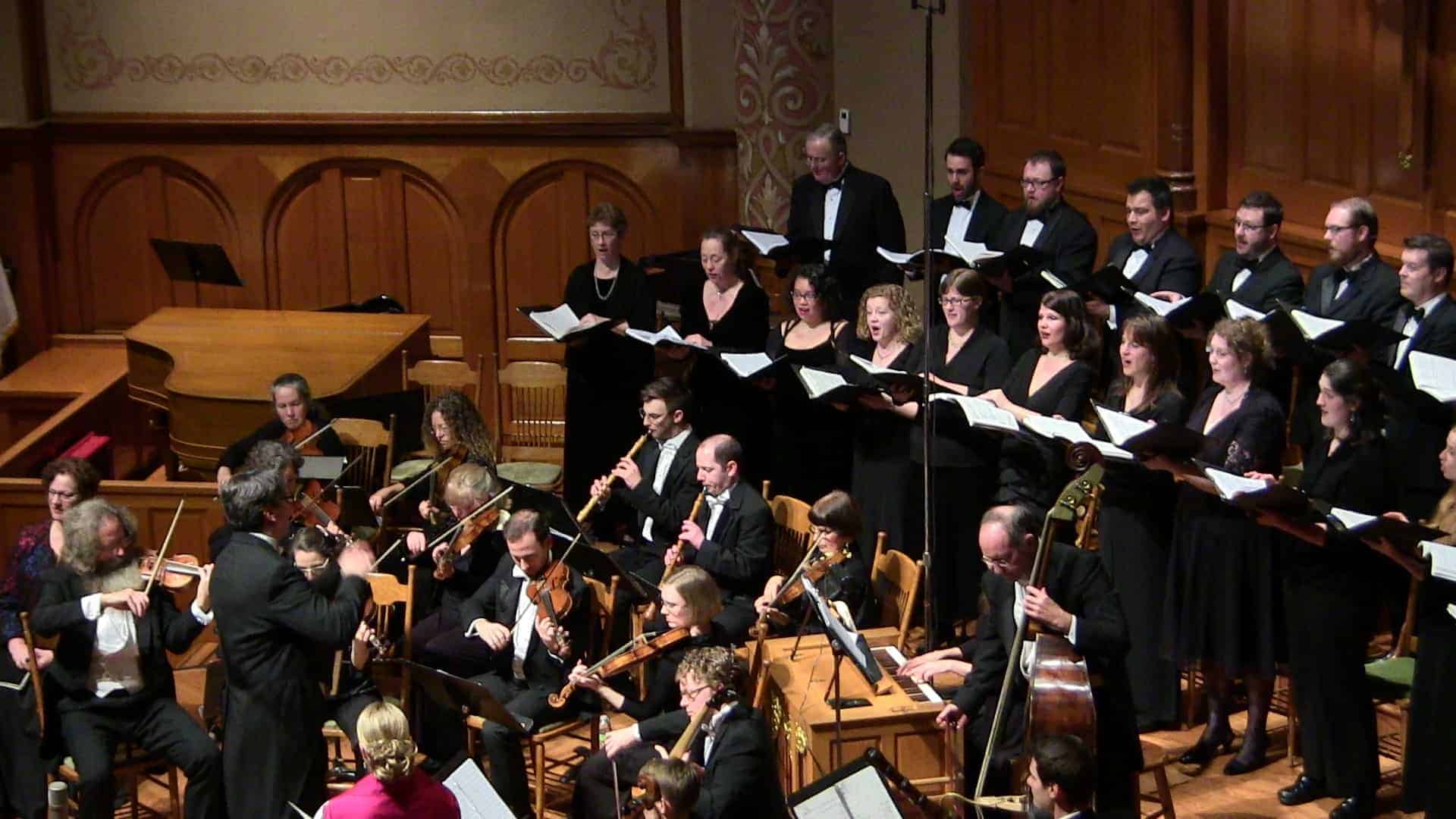
Handel’s Messiah — Notes by John Butt
Messiah The libretto that the irascible Charles Jennens sent to Handel at some point in the summer of 1741 was not in itself an extraordinary document within the Christian tradition. After all, the Gospels and Epistles already made ample reference to the way in which the New Testament was foretold in the Old, and this tradition
-
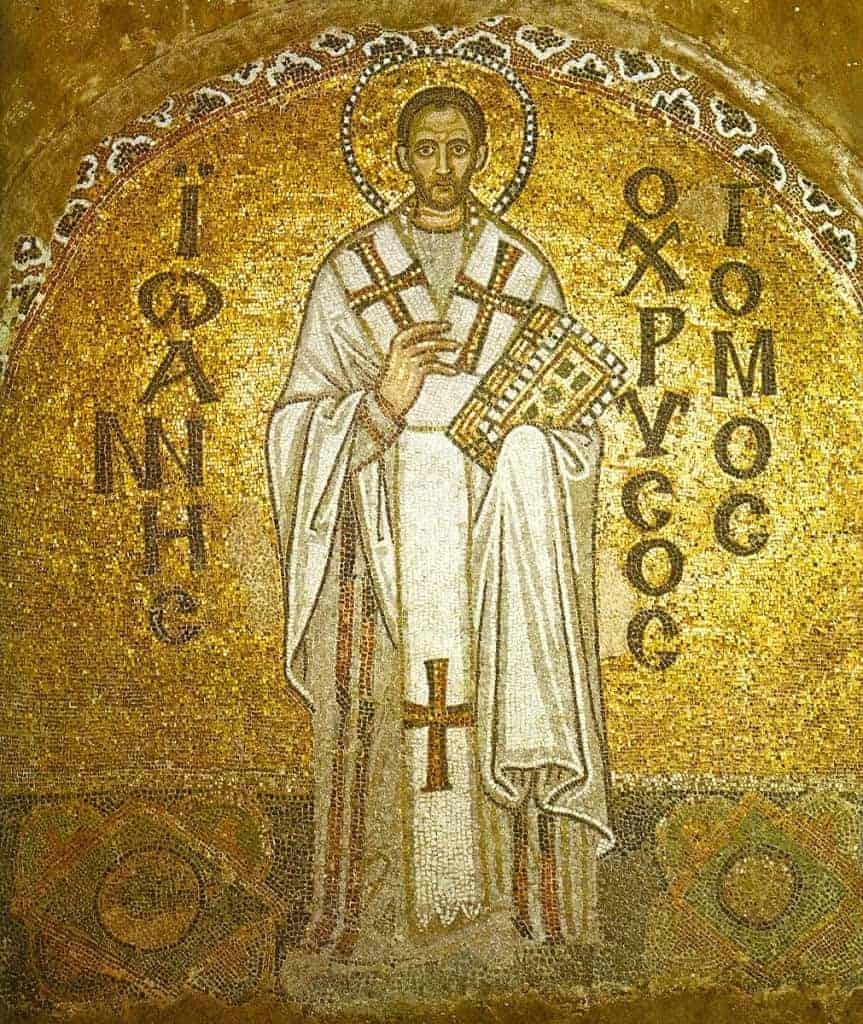
Ivan Moody on the Rachmaninoff Divine Liturgy of St. John Chrysostom
Following three sold-out performances last season of Rachmaninoff’s All-Night Vigil (“Vespers”), this year Cappella Romana presents Rachmaninoff’s earlier sacred masterpiece, the Divine Liturgy of St. John Chrysostom (1910). Composer (and friend of Cappella Romana) Fr. Ivan Moody, published some wonderful program notes for the Corydon Singers recording of this work, and we’ll quote some of
-
TWO New Cappella Romana CDs in Just FIVE Days!
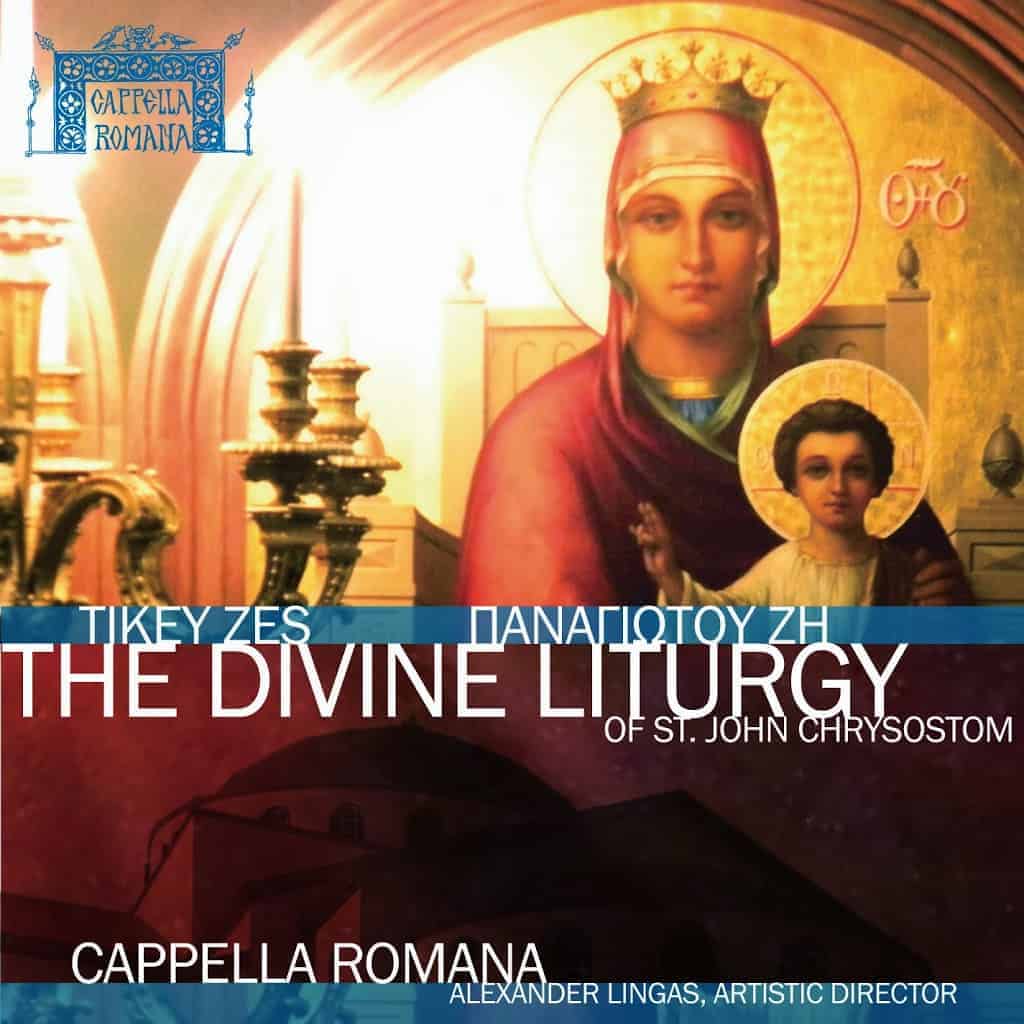
We are officially FIVE days away from the release of TWO new Cappella Romana recordings! And the best part is, you can purchase BOTH recordings before they are officially released during this weekend’s concerts! Tikey Zes: Divine Liturgy Dr. Tikey Zes (b. 1927) is the most prolific composer of Greek Orthodox liturgical music in America.
-
Keeping Up with the Venetians — Part One
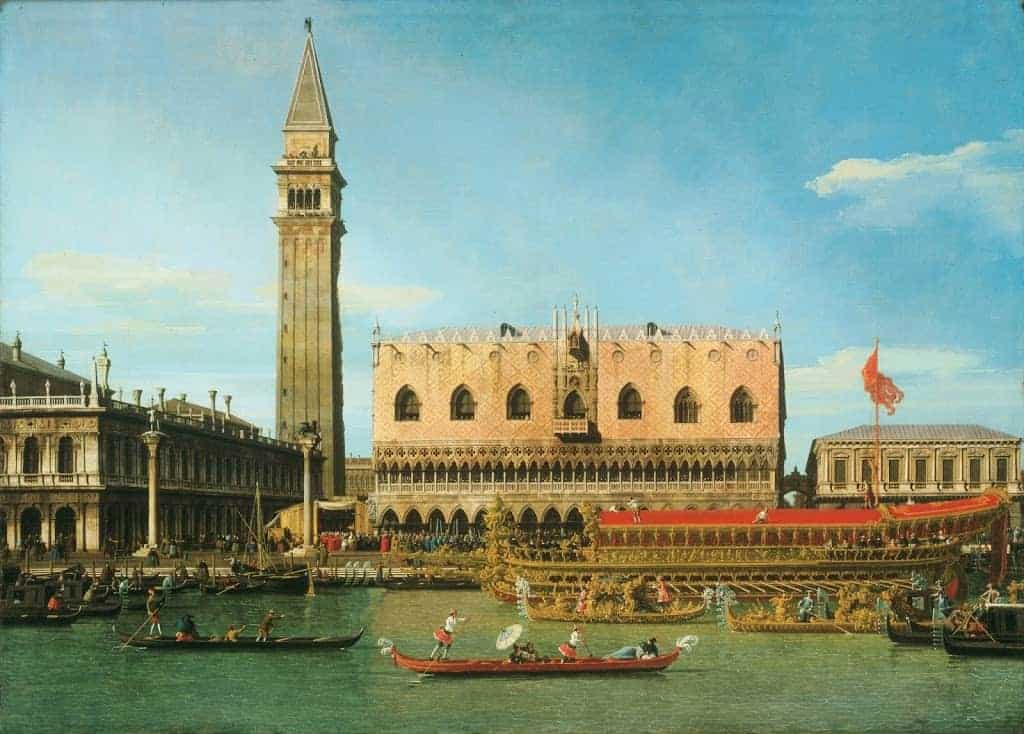
Keeping Up with the Venetians Program Notes for Venetian Baroque: Galuppi + Vivaldi + Bortniansky The islands in the Venetian lagoon, which by the 8th century had banded together to ally themselves with the Empire of the Romans governed from Constantinople (Byzantium), quickly became one of the inhabited world’s great centers of power and wealth.
-
Alexander Lingas’s Cappella Romana Playlist: Music for Easter Sunday
Welcome to the fourth playlist from the archives of Cappella Romana, we turn to music celebrating the Resurrection of Jesus on Easter Sunday, a feast called ‘Pascha’ in Greek and Slavonic. As a way of offering you my own seasonal greetings, I am concluding this week’s list with a choral setting of this hymn that

You must be logged in to post a comment.