-
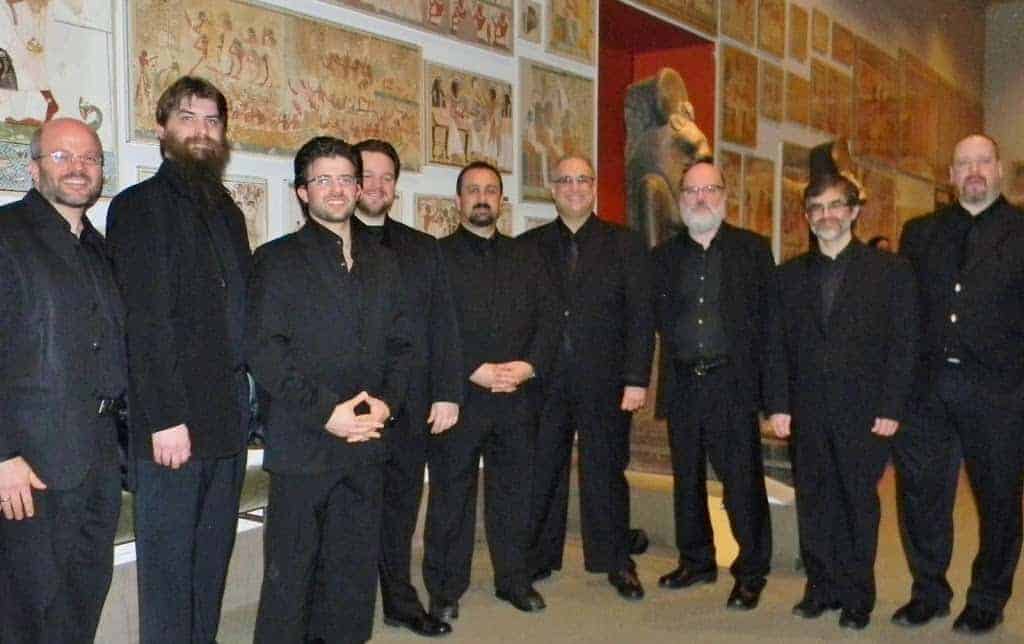
Cappella Romana 2012 Highlights
As we get ready for an exciting 2013, we’re taking some time to look back on the highlights of 2012! January – Sold-Out Rachmaninoff Vigil Concerts March – Tour to Metropolitan Museum NY, Boston and environs May – World premieres in “Be Radiant O Peoples!” concert series July – Abbey Bach Festival LIVE IN GREECE:
-
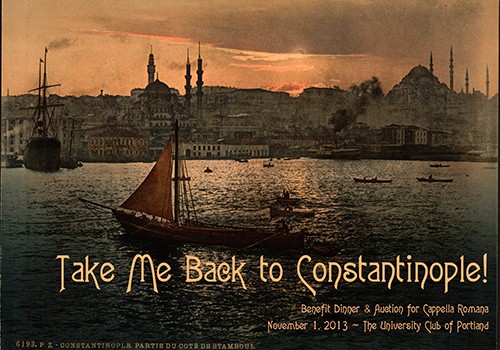
Take Me back to Constantinople!
Take Me Back to Constantinople — Benefit Dinner & Auction The University Club of Portland — November 1 Presenting Dr. Achilleas Chaldaiakis from Athens performing Constantinopolitan Songs from the Dawn of the Modern Age! Request Your Invitation Today! The University Club of Portland1225 SW 6th Avenue at JeffersonCocktail Attire
-
Dr. Achilleas Chaldaiakis Sings “The only son, Constantis”
Get a “taste” of Dr. Achilleas Chaldaiakis performing Constantinopolitan works in the folks song The only son, Constantins below from a reception at The International Society for Orthodox Church Music Conference in Finland: Dr. Achilleas Chaldaiakis will be performing many of these Constantinopolitan Songs from the Dawn of the Modern Age during our Take Me
-
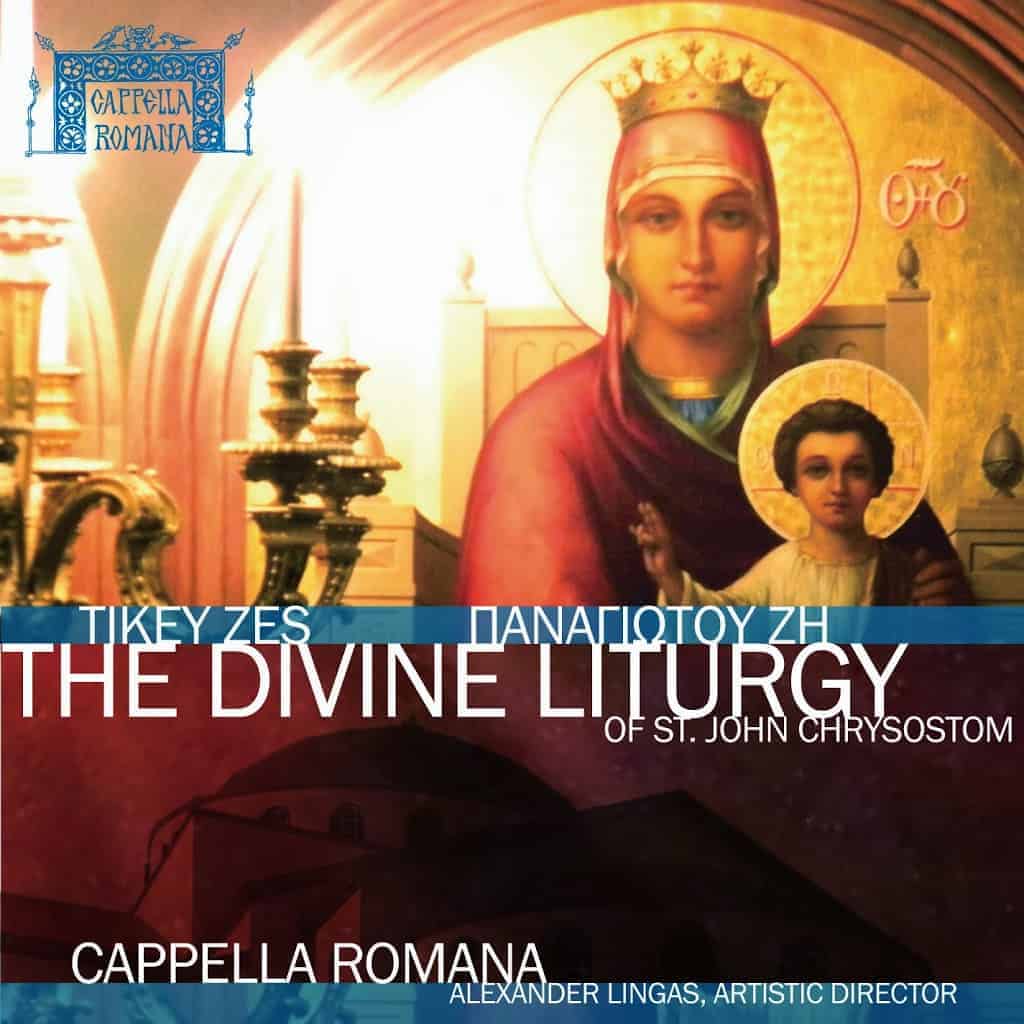
The Divine Liturgy of St. John Chrysostom
The Divine Liturgy bearing the name of St. John Chrysostom (d. 407) is the form of the Eucharist celebrated most frequently in the modern Byzantine rite. Like the communion services of most other Christian traditions, it features two large sections: a service of the Word that climaxes with readings from the New Testament and concludes
-
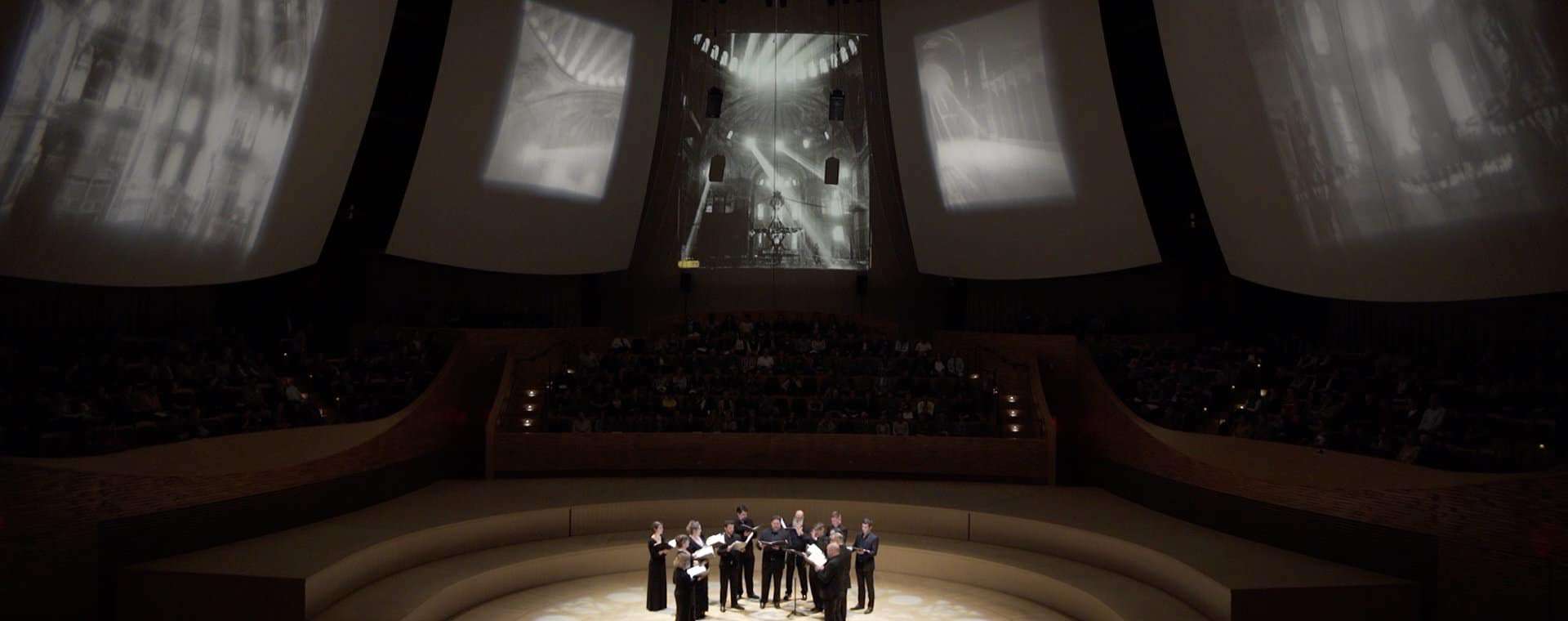
Early Music America Reviews Lost Voices of Hagia Sophia
Karen Cook reviews our Lost Voices of Hagia Sophia recording for Early Music America: “Thanks to the wonders of modern technology and painstaking work of two college professors, however, it is possible to imagine what a medieval Byzantine service might have sounded like. … The prolonged phrases flow over each other in layers and waves,
-
Kastalsky Requiem: Program Notes
Vasily Polikarpovich Titov (c.1650–c.1715) – Cherubic Hymn; Megalynarion Vasily Titov was one of two leading composers of Russian Baroque music, the other being Nikolai Diletsky (c. 1630–80). Titov’s life and work mark the mid-point of the process of Russia’s musical Westernization, which gained new momentum during the reign of Tsar Peter the Great (1689 –1725).
-
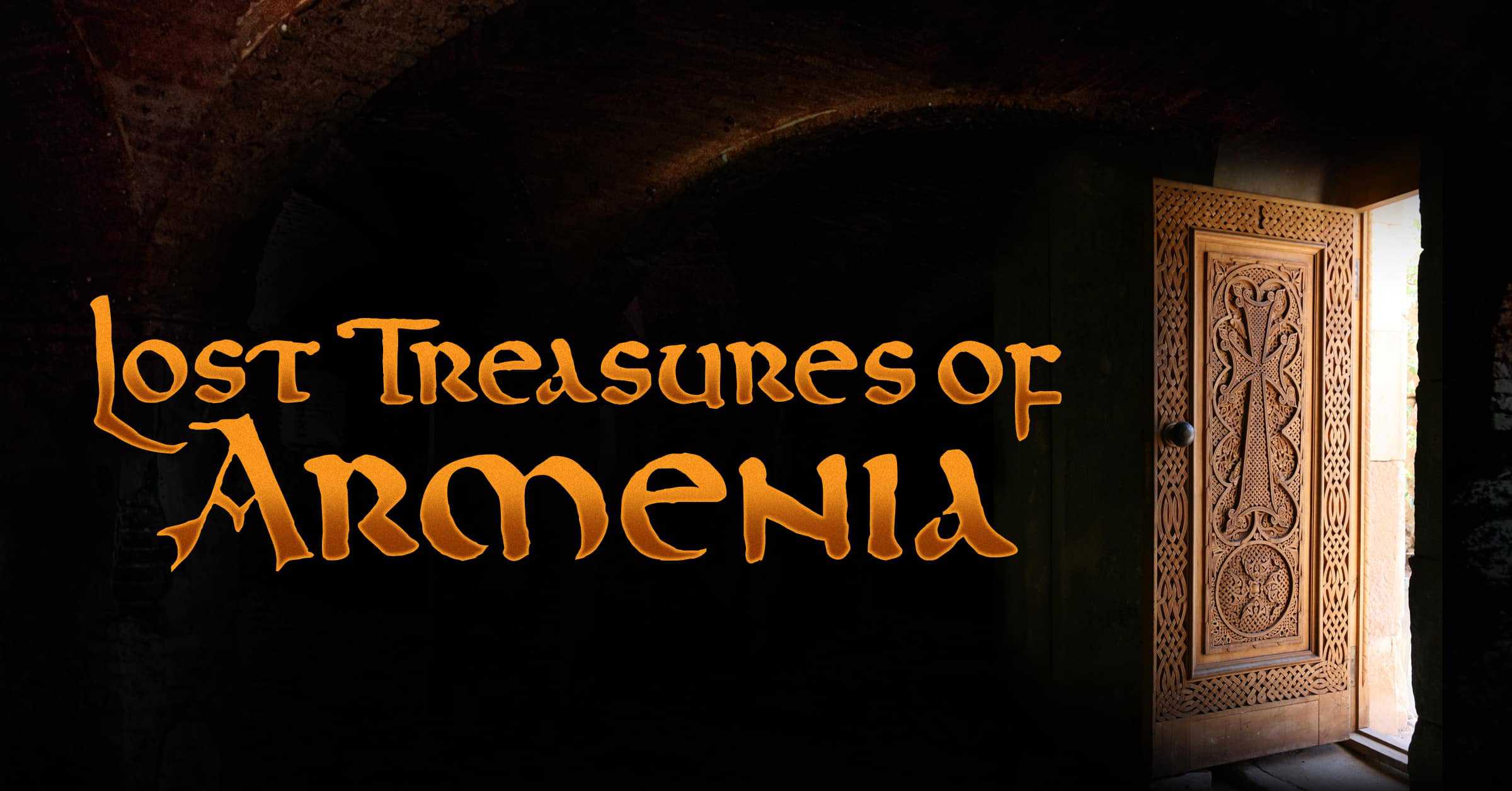
Lost Treasures of Armenia
The Holy Armenian Apostolic Orthodox Church continues to embody a living tradition of primarily monodic vocal music of exceptional richness and beauty. Though its hymnography is traditionally believed to have commenced with the invention of the Armenian alphabet in the fifth century, and the Hymnal as a canonical collection was definitively closed in the fourteenth
-
Notes on Heaven and Earth: A Song of Creation
Heaven and Earth: A Song of Creation Dedicated to Richard Toensing (+2014) and Archimandrite Ephrem Lash (+2016) of blessed memory Program Notes by Richard Barrett, Artistic Director, The Saint John of Damascus Society HEAVEN AND EARTH TICKETS 10/12 SEATTLE TICKETS 10/13 PORTLAND TICKETS 10/14 PORTLAND TICKETS The Saint John of Damascus Society is a sacred arts
-
The Psalm 103 Project
Heaven and Earth: A Song of Creation 12-14 Oct, 2018 TICKETS & INFO Cappella Romana’s Heaven and Earth: A Song of Creation Series (October 12-14, 2018) is a collaboration with the Saint John of Damascus Society. A musical meditation on Psalm 103 (“Bless the Lord, O my soul”), the Orthodox Vesperal Psalm, the program premieres
-
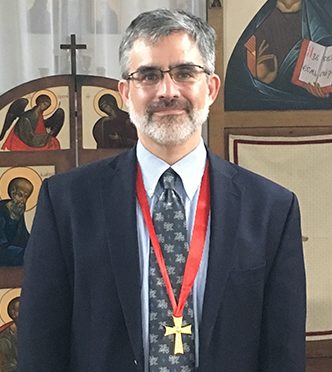
Alexander Lingas Receives New Title
Cappella Romana artistic director Alexander Lingas has received the title of Archon Mousikodidaskalos (Music Teacher) of the Great Church of Christ on behalf of His All-Holiness, Bartholomew I, Archbishop of Constantinople-New Rome and Ecumenical Patriarch. Dr. Lingas said “I am humbled to receive this title from His All-Holiness, Ecumenical Patriarch Bartholomew I. I am also
-
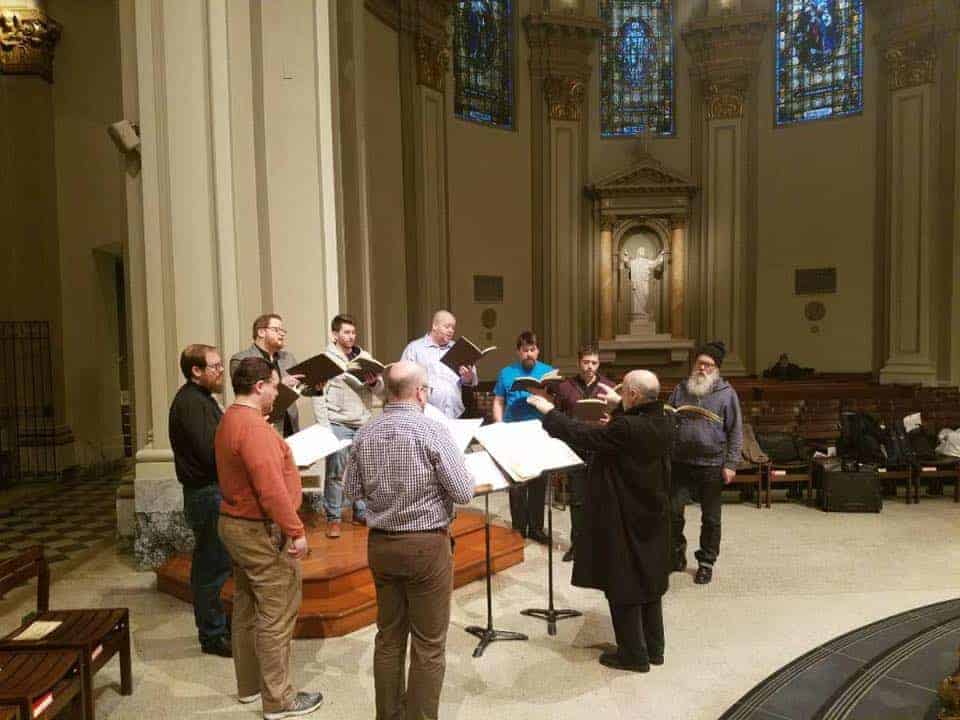
Seattle Machaut Review
“The most visceral part of the recital was simply the experience of hearing this music in a close approximation to its original acoustical and architectural context. What’s more, partaking in Machaut’s Messe reinforces why Medieval music is so fascinating to contemporary composers. Listening to it is rather like listening to a 20th century landmark composition
-
Machaut: Messe de Nostre Dame
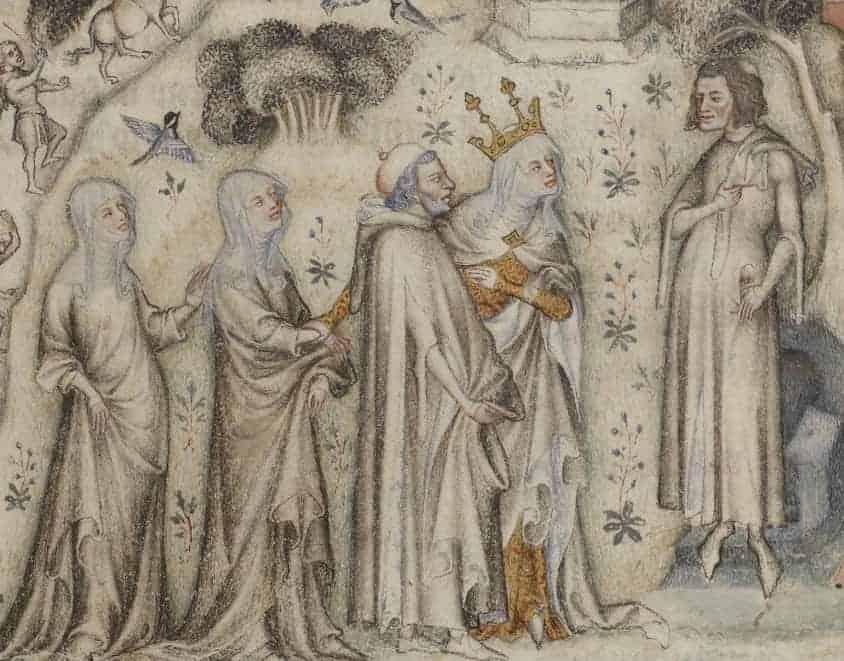
Guillaume de Machaut (1300-1377) Guillaume de Machaut’s Messe de Nostre Dame (c. 1360-65) began to attract great interest during the 20th century. It is the first mass composed for four voices with a known composer, and as such, it is widely considered to mark the beginning of a new musical era. In addition, Machaut himself

You must be logged in to post a comment.