-
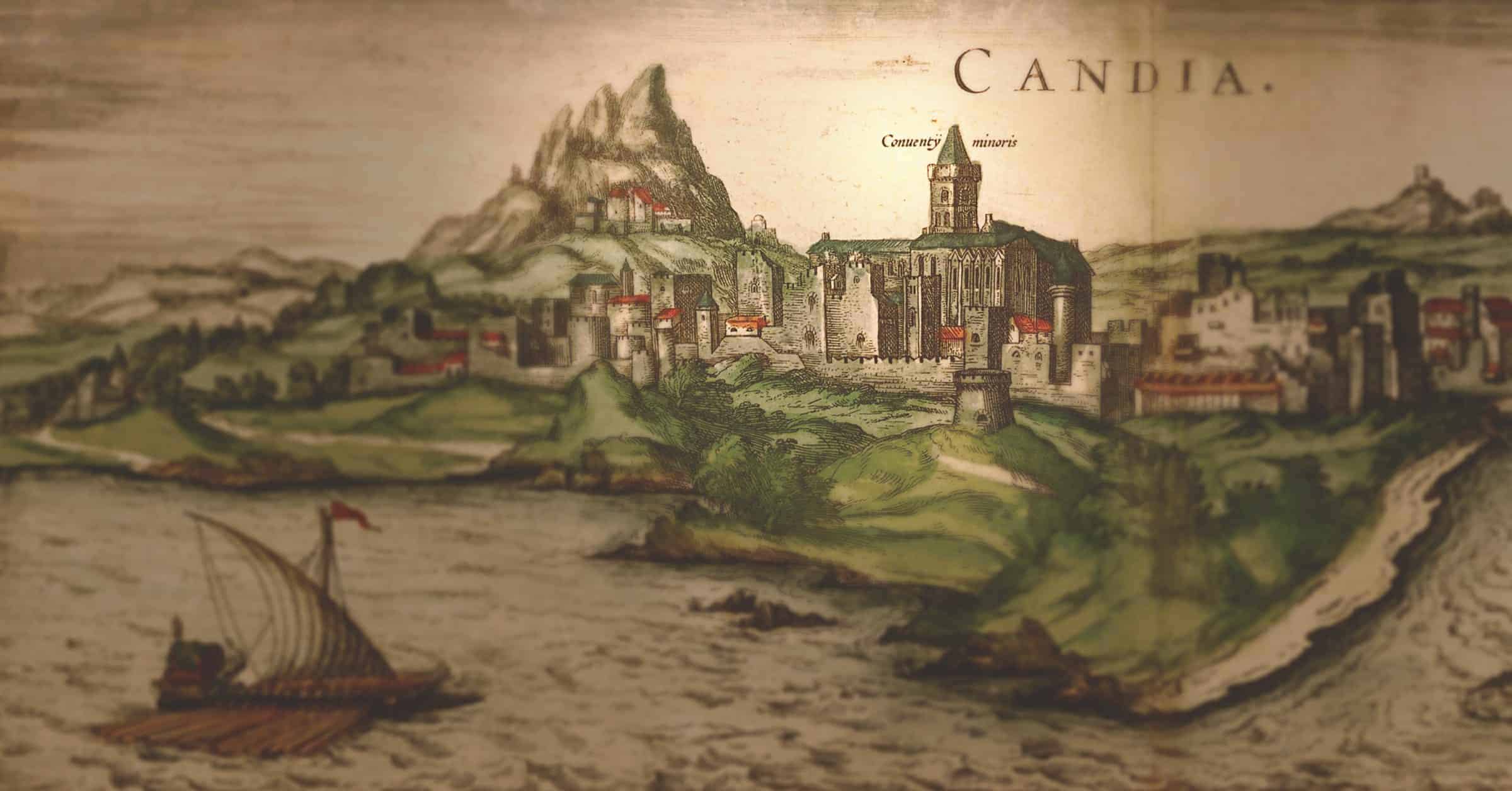
Venice in the East
Venice In The East: April 27-29, 2018 Program Notes by Alexander Lingas From its emergence as a significant political entity in the sixth century under the rule of the Eastern Roman (“Byzantine”) Empire to the dissolution of the Republic by Napoleon in 1797, the city of Venice remained closely tied to the Greek East. Following…
-
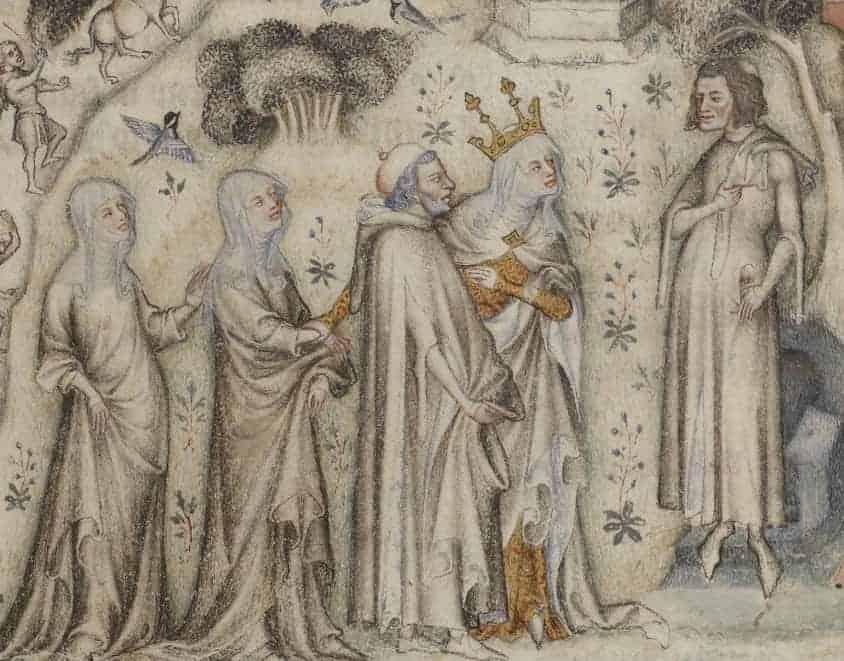
Machaut: Messe de Nostre Dame
Guillaume de Machaut (1300-1377) Guillaume de Machaut’s Messe de Nostre Dame (c. 1360-65) began to attract great interest during the 20th century. It is the first mass composed for four voices with a known composer, and as such, it is widely considered to mark the beginning of a new musical era. In addition, Machaut himself…
-
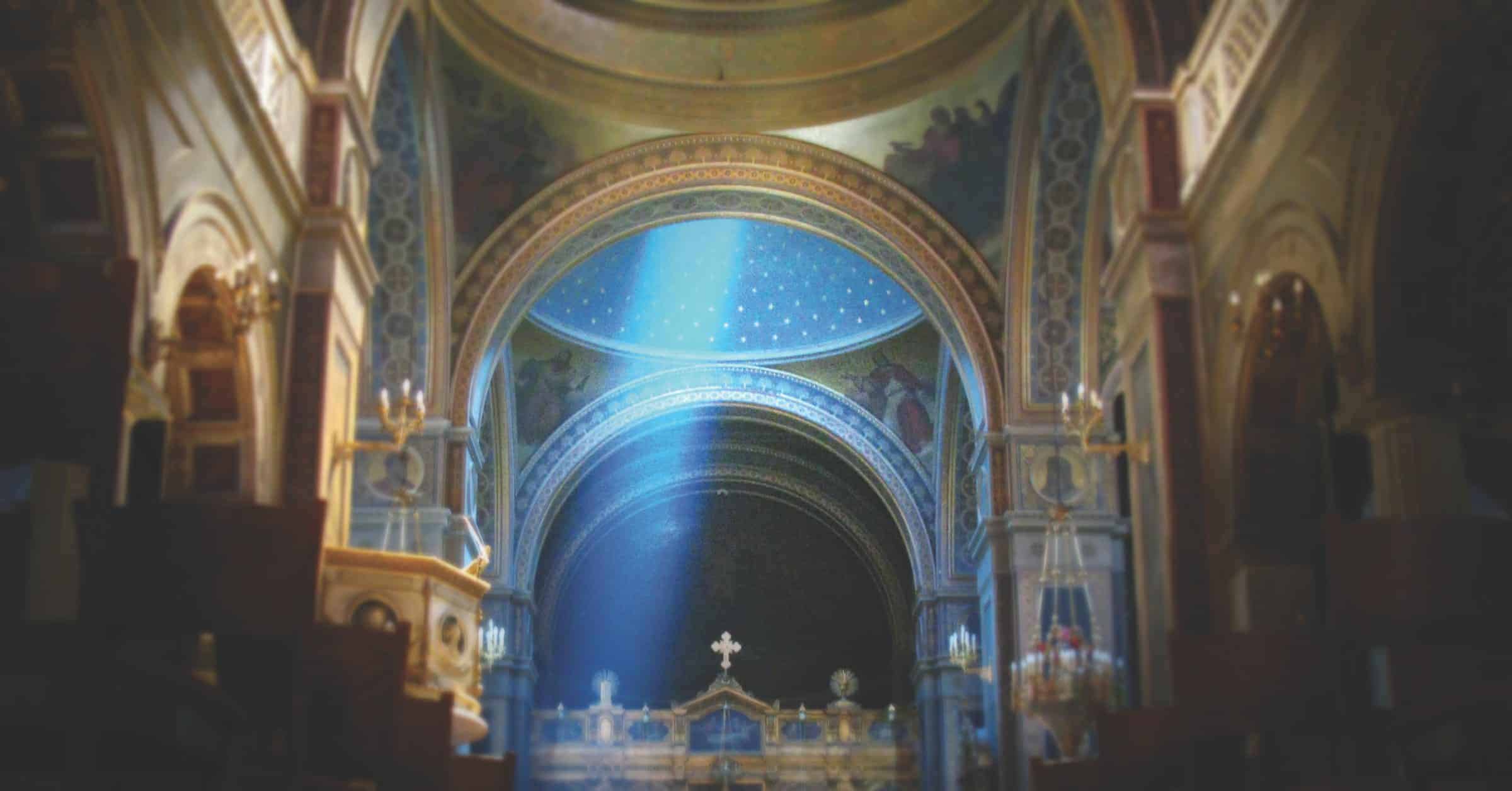
Byzantine Christmas: Sun of Justice – Taking the Journey
The ecclesiastical feast day celebrating the Nativity of Jesus Christ – which came to be called simply “Christ’s Mass,” or “Christmas” in English – was added to the calendar in the Eastern Church somewhat later than other major feasts. Originally, Christ’s Nativity and Baptism were celebrated on the same day: Epiphany (January 6). Much has…
-
Sun of Justice: A Two-Fold Offering – Part Two
With this two-fold offering of traditional Byzantine Music, we seek to give the listener two distinct yet complementary experiences: first, that of being in a traditional Orthodox church somewhere in the Middle East, wherein one choir sings in Greek and the other in Arabic; and second: that of being in a traditional Orthodox church in…
-
Sun of Justice: A Two-Fold Offering – Part One
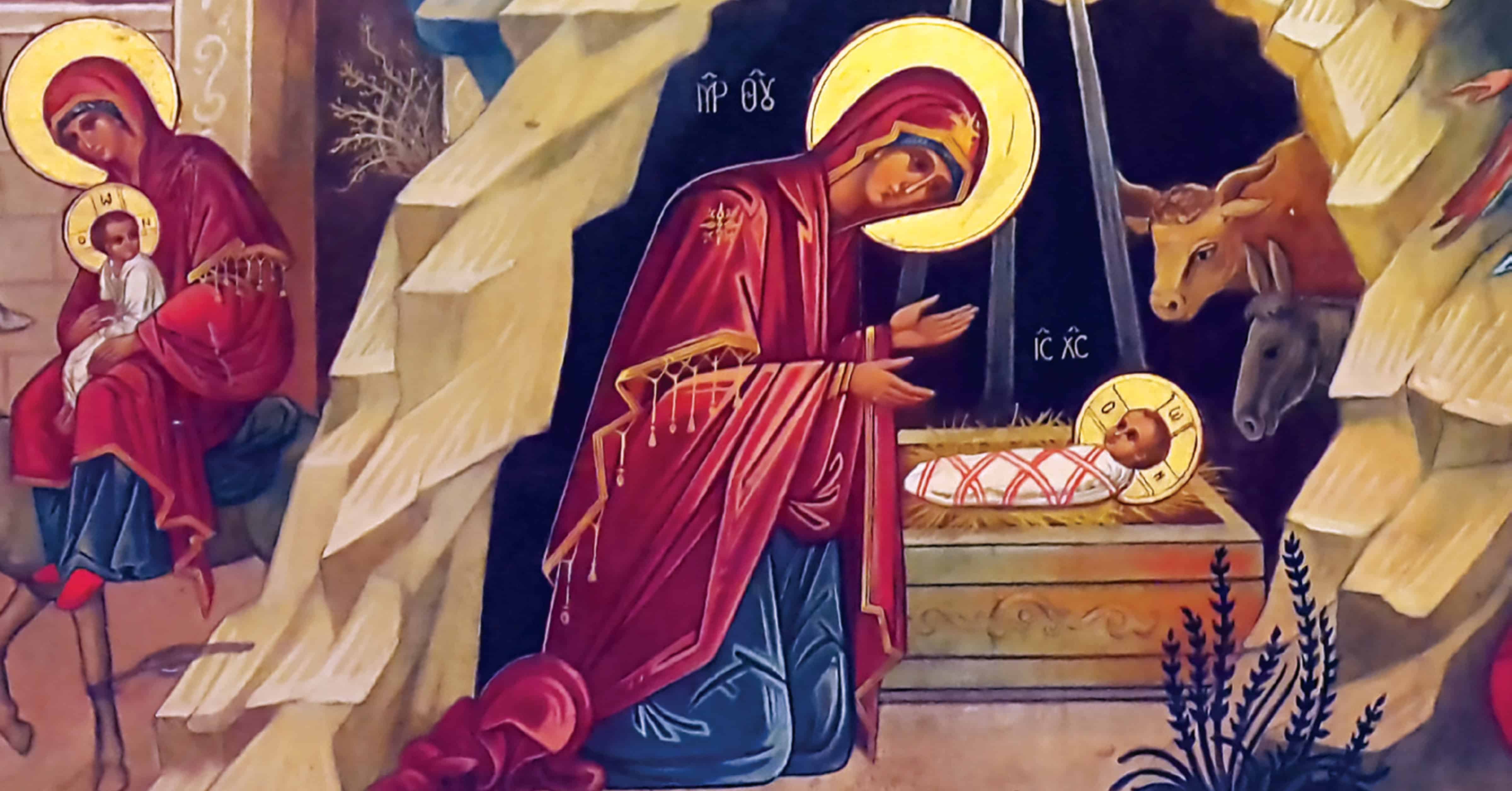
With this two-fold offering of traditional Byzantine Music, we seek to give the listener two distinct yet complementary experiences: first, that of being in a traditional Orthodox church somewhere in the Middle East, wherein one choir sings in Greek and the other in Arabic; and second: that of being in a traditional Orthodox church in…
-
Why “Sun of Justice”?
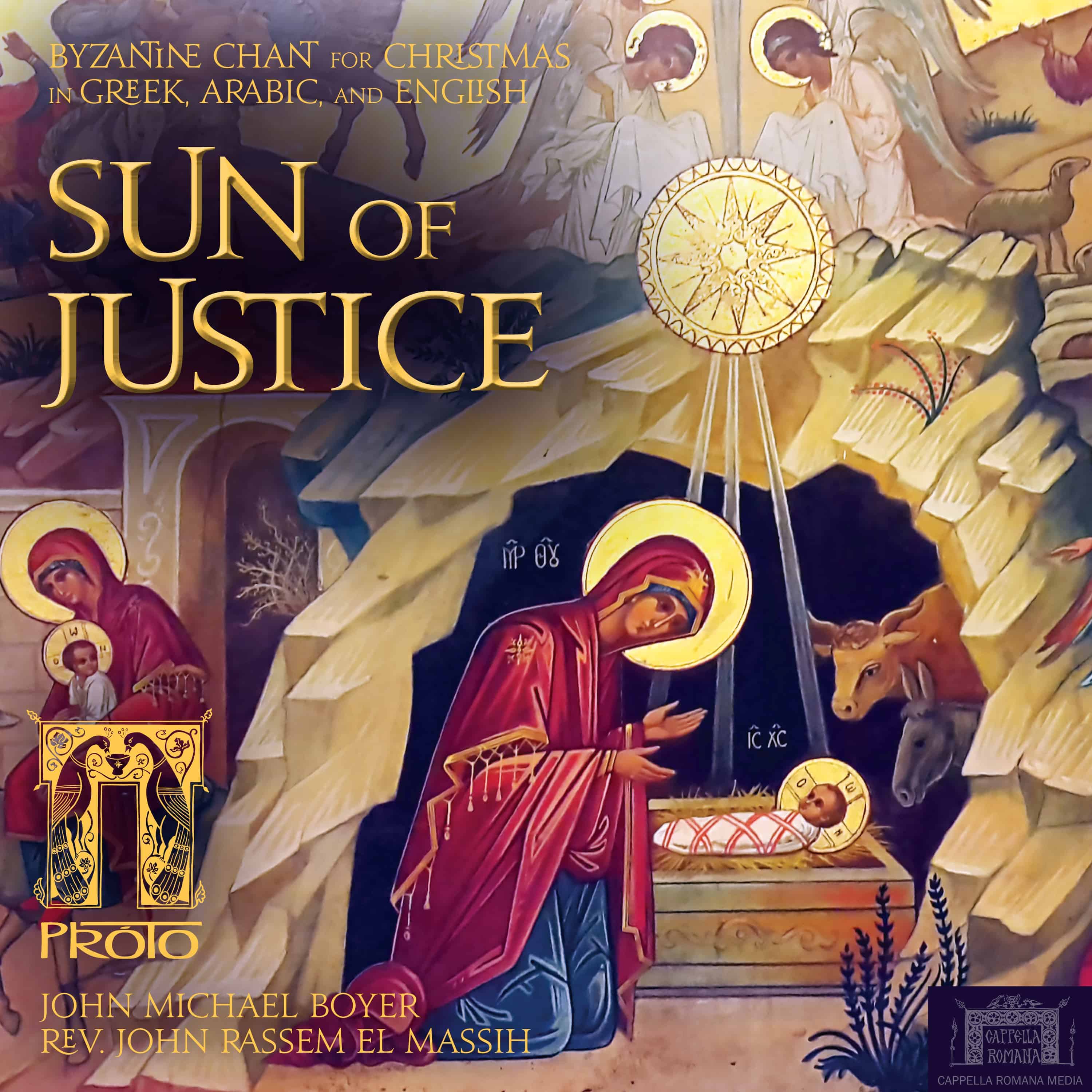
John Michael Boyer explains the meaning behind the name of our Sun of Justice concert series and the new PRÓTO ensemble recording: The ecclesiastical feast day celebrating the Nativity of Jesus Christ—which came to be called simply “Christ’s Mass,” or “Christmas” in English—was added to the calendar in the Eastern Church somewhat later than were…
-
Arctic Light II: Northern Exposure – Program Notes
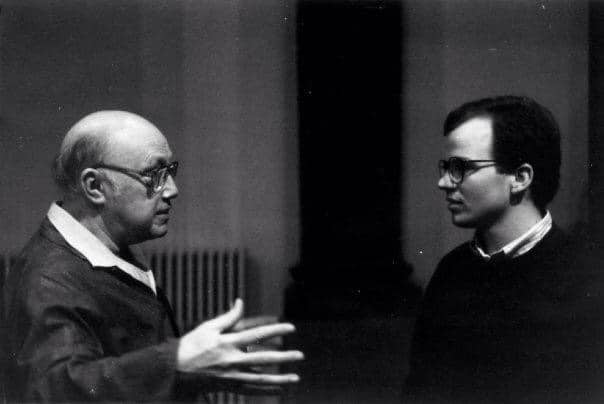
The genesis of this concert program occurred last season in January 2017 after renowned Finnish choral conductor Timo Nuoranne was slated to appear with Cappella Romana to direct Einojuhani Rautavaara’s Vigilia (All-Night Vigil). Timo Nuoranne has championed that work in particular throughout his career, having performed it with both Finnish and non-Finnish choirs, and made…
-
Venice in the North
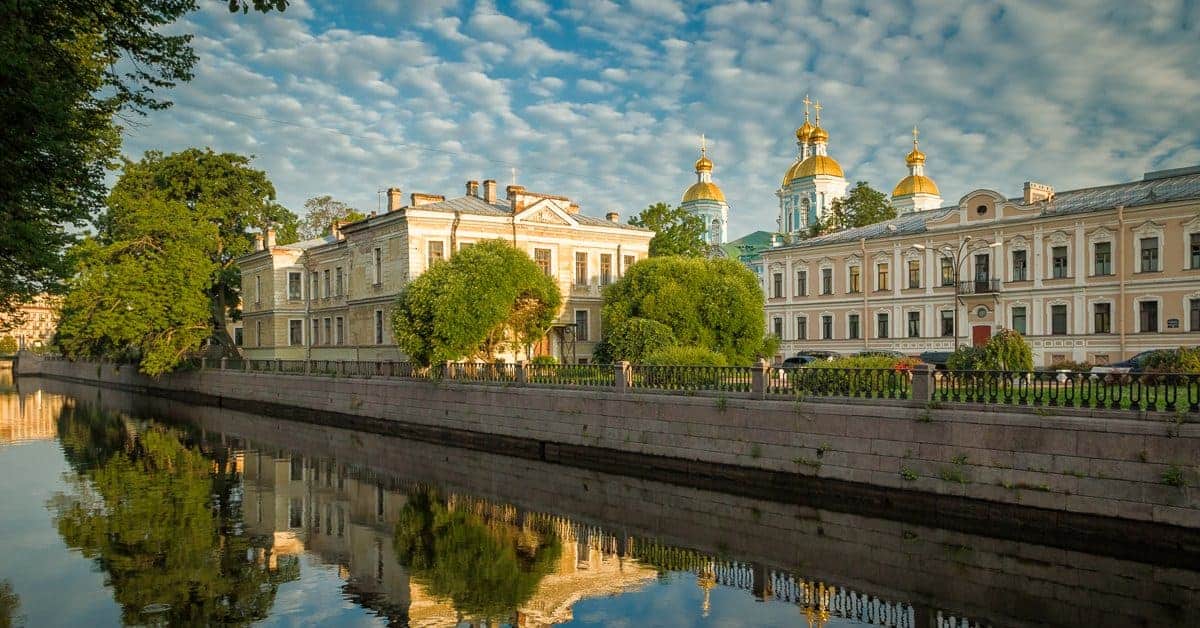
Following the Ottoman conquest of Constantinople in 1453, the peoples of Russia and Ukraine began to look to the West not only for trading partners, but also for political, intellectual and artistic models. The Westernization of northern Slavic societies rooted in Byzantine traditions of governance and religion accelerated during the tumultuous seventeenth century, which saw…
-
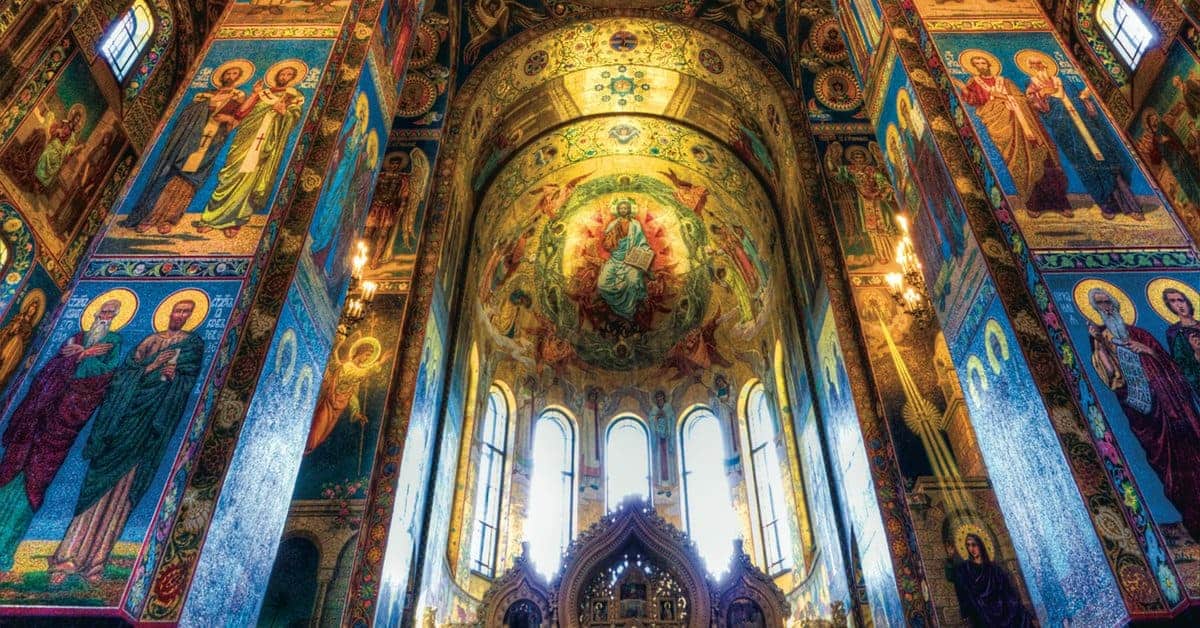
The Russian Chant Revival
Major traditions of complex sacred music throughout Europe were shaped during the so-called “long nineteenth century” (the period of relative peace which lasted from the battle of Waterloo to the outbreak of World War I) by movements to recover elements of early traditions for modern use. These efforts, like contemporary “back-to-roots” endeavors in non-musical arts…
-
The Tallis Scholars: Metamorphosis
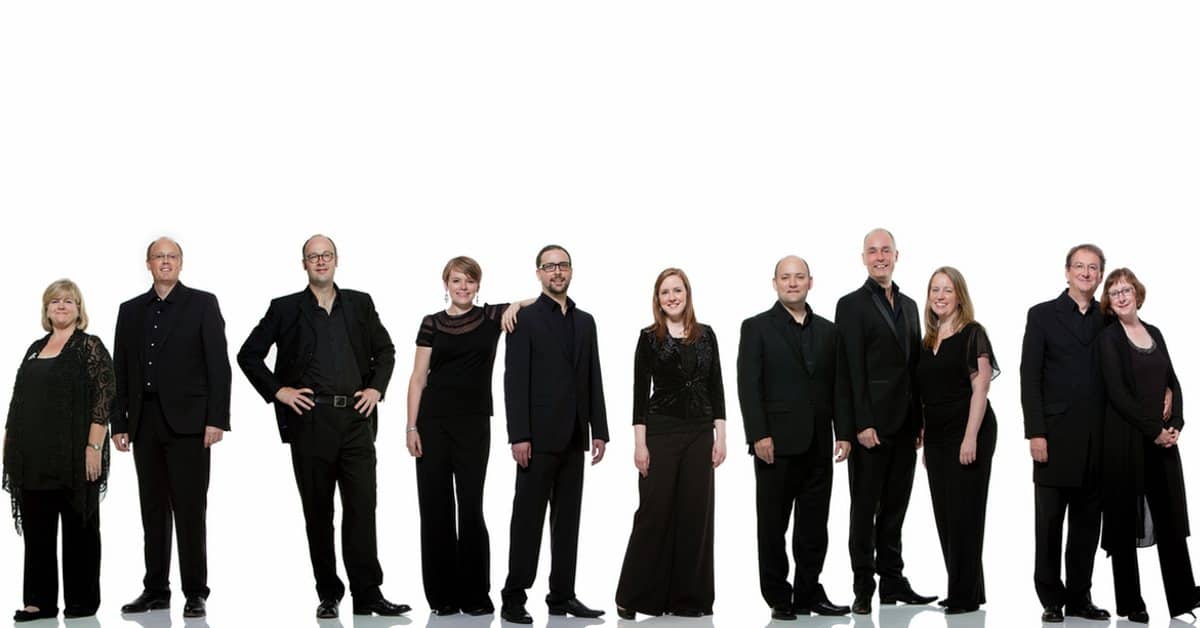
METAMORPHOSIS H. Praetorius: Magnificat IV Gibbons: Magnificat (‘Short’) Pärt: Magnificat Sheppard: Our father Tavener: Our father (1999 version) Stravinsky: Otche nash Palestrina: Pater noster (a5) Gallus: Pater noster (a8) Interval Chant: Ave Maria Mouton: Ave Maria – virgo serena Stravinsky: Bogoroditse devo Pärt: Bogoroditse devo Gibbons: Nunc dimittis (‘Short’) Eccard: Maria wallt zum Heiligtum Pärt:…
-
Byrd Ensemble – Spanish Music for the House of Habsburg
SPANISH MUSIC FOR THE HOUSE OF HABSBURG A musical exploration of the Habsburg dynasty, featuring Spanish music written for monarchs Charles V and Philip II PROGRAM Tomás Luis de VICTORIA – Requiem Mass Introitus: Requiem aeternam Kyrie Gradual Offertory Sanctus & Benedictus Agnus Dei I, II & III Communion: Lux aeterna Versa est in luctum…
-
Byzantine Music in Cyprus
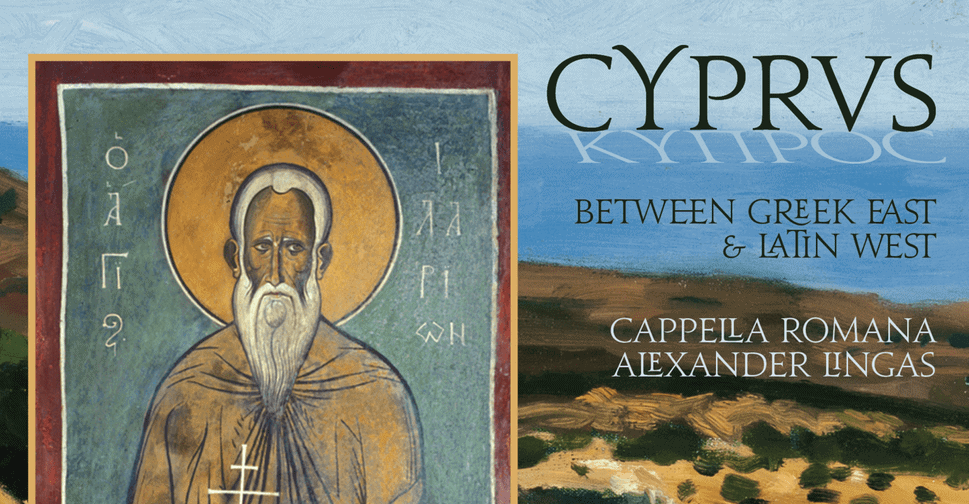
Manuscripts of Byzantine chant copied through the middle of the fifteenth century show that Cyprus remained closely tied to the musical mainstream of Byzantium. The two hymns (stichera) from the Greek office for St Hilarion included on the present recording are excerpts from a longer sequence of hymns interpolated on the eve of his feast…

You must be logged in to post a comment.