-

A Time For Life — Structure
The composite text for A Time for Life was adapted from a wide range of sources that explore the relationship of humanity to nature. The work is structured in three large-scale parts, as follows: Part I: Creation In the first part, the nature of creation is celebrated through praise for the Creator and through rejoicing…
-
A Time For Life — Conclusion
The final phase of the journey (Part III: Remembering) moves towards a hopeful future in which humanity serves as a responsible steward of the earth and thus realigns itself with the creative forces of existence. This journey is a spiritual one in which we remember our true responsibility of stewardship for the earth, and through…
-
Timo Nuoranne to Direct Arctic Light in January
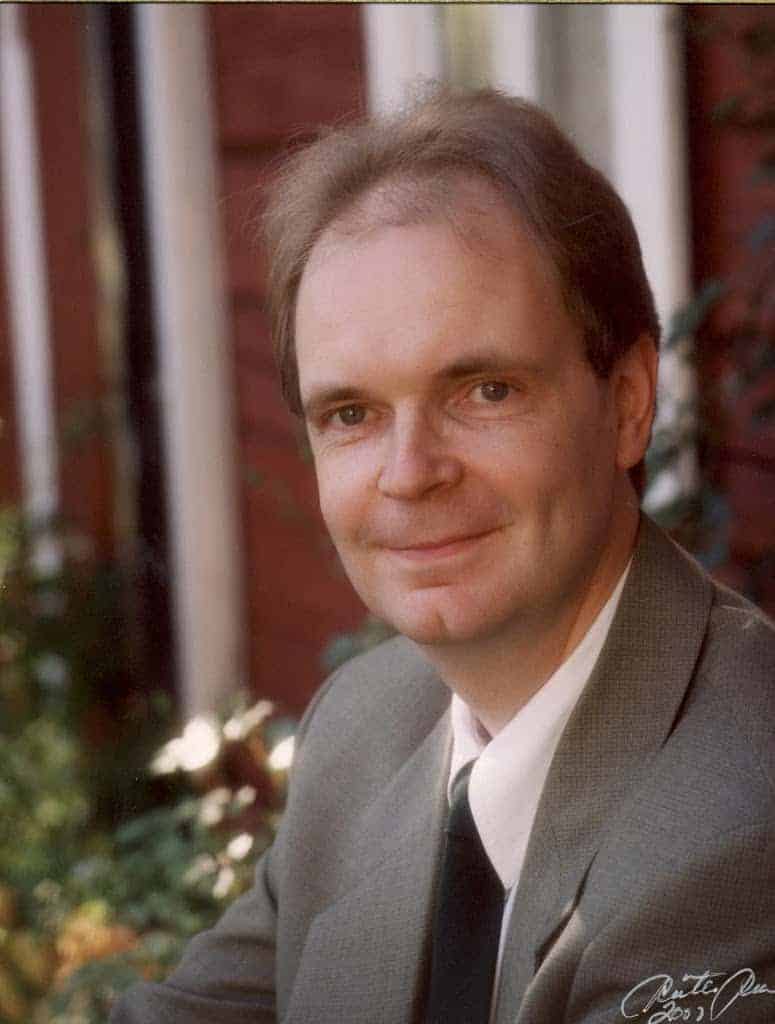
Timo Nuoranne from Helsinki Directs Cappella Romana in “Arctic Light: Finnish Orthodox Music” in January 2014 Back by popular demand, this program of sumptuous choral works from the Orthodox Church of Finland was first performed to sold-out audiences in 2008. Timo Nuoranne, a faculty member at the Sibelius Academy of Music in Helsinki and one…
-
Arctic Light: Orthodox Choral Music from Finland — Program Notes
Arctic Light Orthodox Choral Music from Finland The history of Orthodox Christianity in Finland goes back to the 12th century when trade was initiated between Carelia and traders from Novgorod. The early establishment of monasteries in Karelia, especially Valamo (Valaam) and Konevitsa on the islands of Lake Ladoga, and later, at Petsamo (Pechenga, on the…
-
Ivan Moody Talks Arctic Light with Fanfare
Ivan Moody talks about Cappella Romana’s latest release, Arctic Light with Fanfare Magazine‘s James Altena. Read a couple of the questions below and find the full interview on the Fanfare website Fanfare: How did your particular association with the Cappella Romana come about, and what led to the recording of your Arctic Light CD with…
-
Keeping Up with the Venetians — Part Two
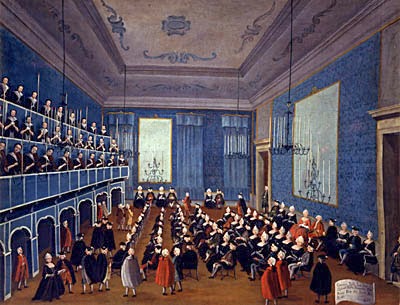
Keeping Up With The Venetians Continued from Part One Program Notes for Venetian Baroque: Galuppi + Vivaldi + Bortniansky Galuppi further exceeded his contractual duties by teaching composition to some of the Cappella singers. One such singer was the Ukrainian Dmitro (or more commonly Dmitry) Bortniansky. When Galuppi left St. Petersburg in 1769, he took…
-

Cappella Romana returns to the recording studio this month!
Heaven and Earth, with John Tavener’s Ikon of Light. Guest post by Richard Barrett, Artistic Director of The Saint John of Damascus Society In July 2012, nine years ago this month, my friend Dr. Harold Sabbagh and I had initial conversations about a spark of an idea. He was infectiously enthusiastic about CERN’s then-recent confirmation…
-

First Reviews for Hymns of Kassianí!
Cappella Romana’s new recording, Hymns of Kassianí comes out the 16th April, and reviewers are already excited: “Cappella Romana are specialists in Byzantine chant, and this album is a stunner. The release is an SACD hybrid multichannel recording. If possible, opt for the physical disc rather than the digital download for this one. The release…
-
Fanfare Magazine Reviews Benedict Sheehan’s Liturgy of Saint John Chrysostom
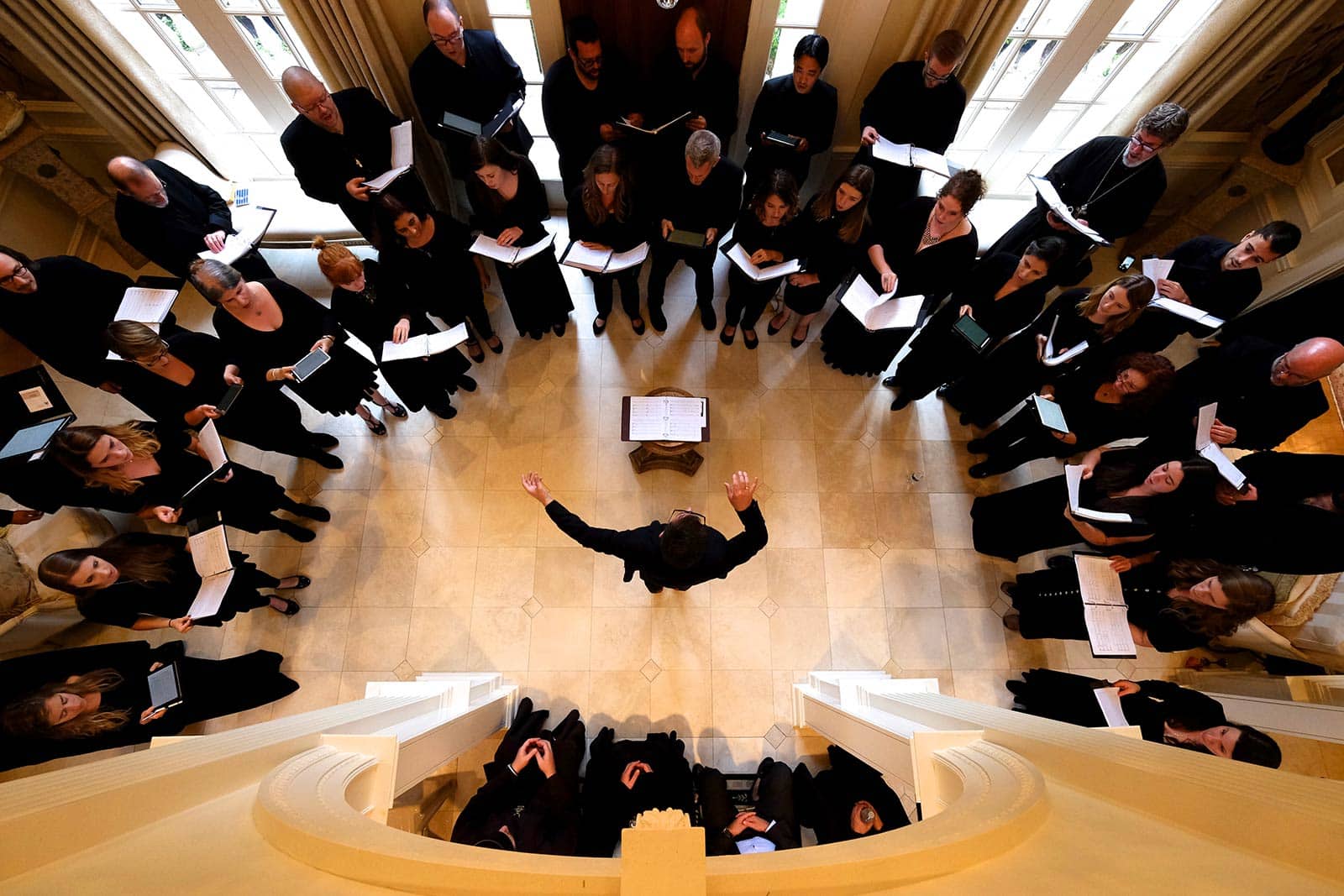
Alongside a must-read interview with Benedict Sheehan, Fanfare Magazine’s March/April 2021 Issue features THREE reviews of his Divine Liturgy of Saint John Chrysostom recording with the St. Tikhon Choir on Cappella Records: James A. Altena: “I own a goodly number of settings of the Liturgy by various composers—Chesnokov, Grechaninov, Ippolitov-Ivanov, Kastalsky, Rachmaninoff, Shvedov, Stoyanov, and…
-
Theater Byte Gives Lost Voices of Hagia Sophia its Highest Recommendation
“Applying Professor Abel’s sound technology to the fifteen voices of Capella Romana creates an audio experience that few if any listeners will have ever heard. These disembodied voices, evoking the holy spirit of God, seem to come from everywhere and totally envelop the audience. … Put this Blu-ray Disc in your player, and push the…
-
Bissera Pentcheva Interview on Hagia Sophia in Kathimerini
Greek news outlet Kathimerini has published a new interview with Stanford University’s Bissera Pencheva who has worked with Cappella Romana as part of our Hagia Sophia project and recording. Read the interview in the original Greek at Kathimerini.gr and see the translation below: What distinguishes Hagia Sofia from other churches and monuments of the Christian…
-
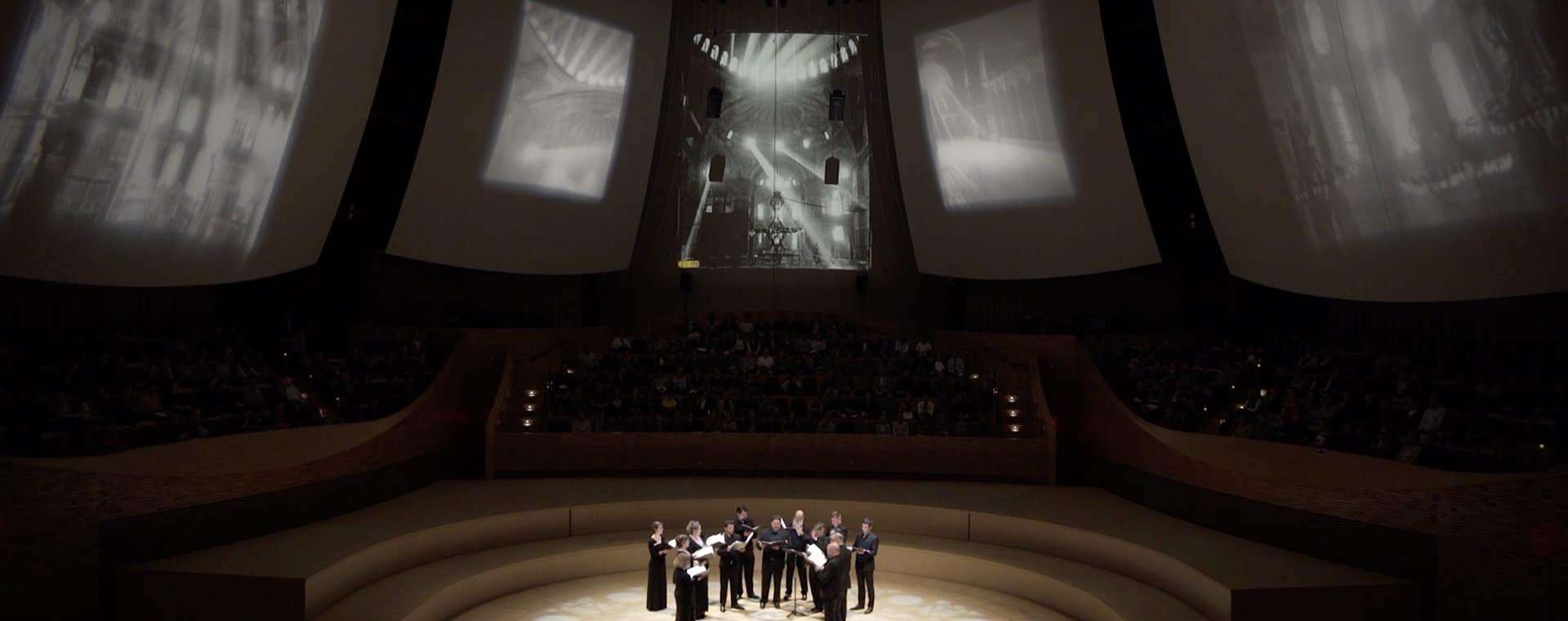
Early Music America Reviews Lost Voices of Hagia Sophia
Karen Cook reviews our Lost Voices of Hagia Sophia recording for Early Music America: “Thanks to the wonders of modern technology and painstaking work of two college professors, however, it is possible to imagine what a medieval Byzantine service might have sounded like. … The prolonged phrases flow over each other in layers and waves,…

You must be logged in to post a comment.